You are viewing 1 of your 1 free articles
Domestic abuse survivors like me are trapped in a cycle of homelessness and debt
My long journey through homelessness shows that we need more debt support for domestic abuse survivors, writes London council tenant Christine.



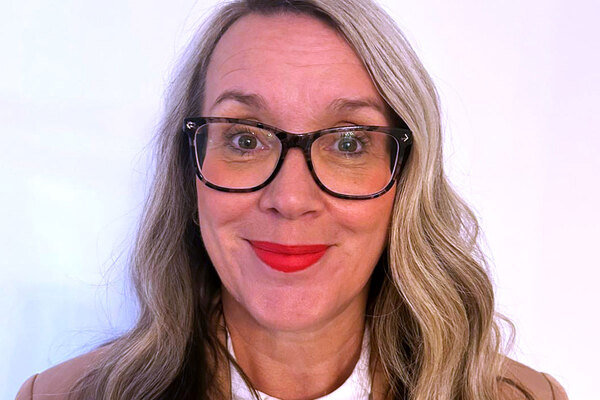
Christine is a London council tenant
 My long journey through homelessness shows that we need more debt support for domestic abuse survivors, writes London council tenant Christine #UKhousing
In February 2010, I left my marital home with my children as I feared for our safety. The key workers at the women’s refuge who took us in insisted on using the phrase ‘domestic violence’ – two words I would soon come to realise encapsulated the life we had been living.
Little did I realise that the financial impact of that abuse would hang over us to this day.
I worked in the school office at the London primary school my children attended. My son was six years old, my daughter was five and struggled with night terrors and sleepwalking. We arrived at the refuge with just one suitcase and remained there for 18 months waiting to be housed as we tried to rebuild our lives.
Read more
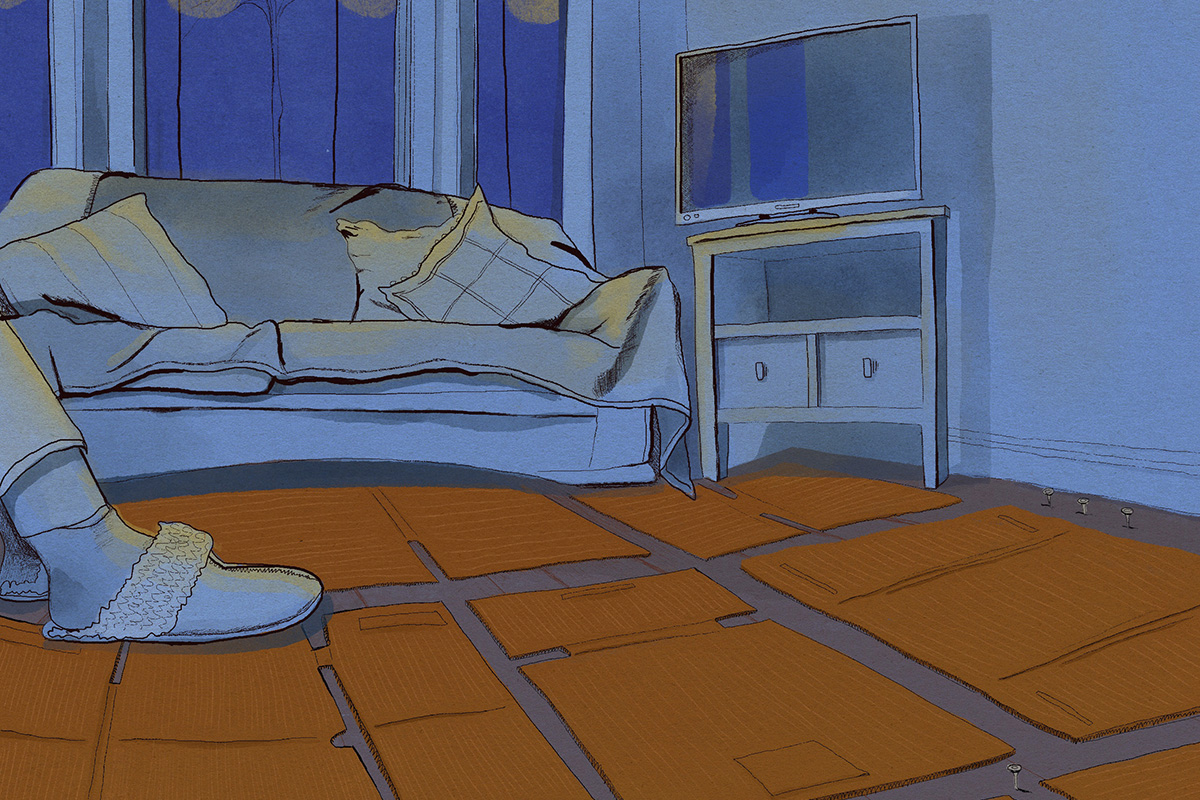
When we received temporary accommodation, we were given just a few days’ notice to move in, with no time to say goodbye to the friends and families we had lived with at the refuge. As we had outgrown the one suitcase we had arrived with at the refuge 18 months ago, the move came at a financial, physical and mental cost to me.
Then I found out that, because I worked part-time, there was a monthly deficit of £225 between my housing benefit and the rent for the temporary accommodation.
Settling into a new community was overwhelming. When we were in the refuge, I had moved my children to a nearby primary school, but they were very unhappy.
So we returned to their previous school, so they could have at least one place that would be familiar and stable for them. But in the time away, new friendship groups had formed without them, and the long and expensive commute made it hard for them to do after-school clubs and playdates.
Just as we began to relax, everything changed again – we had to move to our permanent accommodation with mere days’ notice. But despite the fact that this was supposed to be our new start, the financial shadow of the abuse we had faced hung over us.
During our marriage, I had been coerced into taking out various bank loans (as he was not eligible) to cover shortfalls in rent, bills and daily living costs. I now had a debt of £13,000 solely in my name. I applied for child maintenance and the notification returned surmised that the amount he had to pay to support his children was zero pounds.
Every time we moved, from refuge to temporary accommodation to permanent housing, I had been reassessed for benefits. The calculations were very complex and despite my transparency, by the time I reached permanent accommodation I was in significant rent arrears and had to set up a repayment plan.
Alongside the repayments, the costs of daily life and the many, many costs of school uniforms, trips and clubs, there were no white goods, furniture or flooring in our permanent accommodation. A fridge cost me £200, a cooker £300 and flooring £1,200!
“Despite the fact that this was supposed to be our new start, the financial shadow of the abuse we had faced hung over us”
In 2020 I took out an IVA to try and put an end to my debts. In 2021, I was unexpectedly made redundant, and used the majority of my redundancy payout to honour my debts under the IVA. Even though I have now paid it off, this will remain on my credit file until September 2028.
This summer, I approached my council and offered to downsize. As my children had reached adulthood and left home, I wanted my two-bedroom flat to give another family the start of a new life it had given us. But despite the council’s eagerness, every one-bedroom property in the area I have been offered has been more expensive than my current home.
And the kicker came this autumn, when I received notice that I would now be charged the bedroom tax. I’m now back in £500 of debt. And so the cycle of debt and poverty continues.
Christine, London council tenant
Sign up to Inside Housing’s Homelessness newsletter
Sign up to Inside Housing’s Homelessness newsletter, a fortnightly round-up of the key news and insight for stories on homelessness and rough sleeping.
Click here to register and receive the Homelessness newsletter straight to your inbox.
And subscribe to Inside Housing by clicking here.
Already have an account? Click here to manage your newsletters.
Related stories