You are viewing 1 of your 1 free articles
Hundreds of unsafe social housing blocks still have no clear completion date
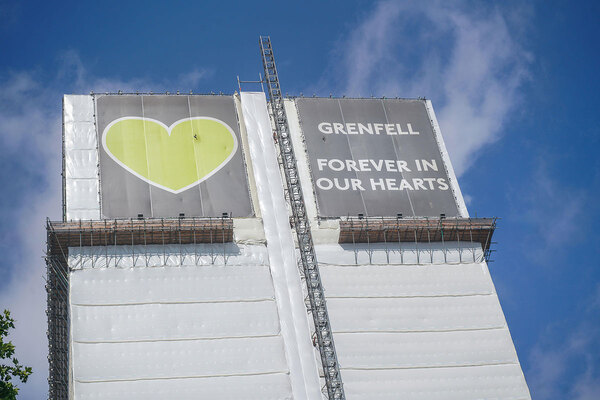
The English regulator has warned social landlords that they must “continue to work at pace to address any fire safety risks in buildings”, as 18% of affected blocks still have no clear completion date.


 The English regulator has warned social landlords that they must “continue to work at pace to address any fire safety risks in buildings”, as 18% of affected blocks still have no clear remediation plan #UKhousing
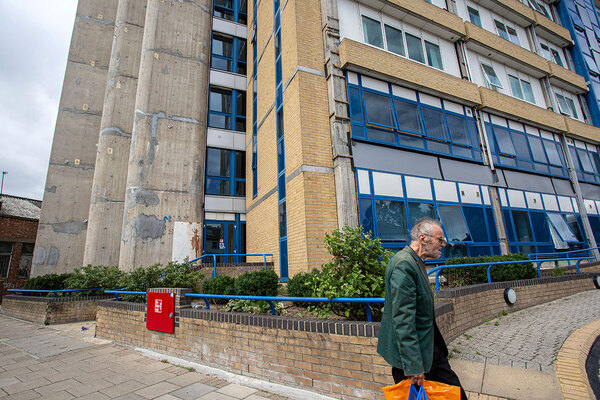
 In its latest Quarterly Survey, the Regulator of Social Housing (RSH) found that 344 social housing blocks over 11 metres high with life-critical fire safety (LCFS) defects have an “unclear” completion date, or one that is beyond 10 years.
This is down from the 406 reported for 11m-plus buildings in the last quarter.
Of the 1,897 buildings with LCFS defects – down from 1,920 in the previous quarter – work has been completed on only 67.
Read more
Landlords reported that works have started or are due to commence within the next five years on 83.6% (1,586) of affected buildings.
Just under 80% of affected buildings are expected to be remediated within five years.
Registered providers own 54.4% of the affected buildings, while councils own the rest.
LCFS defects are defined as shrinkages, faults or other failings in a building that give rise to fire safety risks identified by a fire risk appraisal of external wall construction.
The regulator said landlords must ensure tenants are safe in their homes.
On the most recent survey, which ran from 25 March until 23 April, Will Perry, director of strategy at the RSH, said: “Boards and councillors have a responsibility to keep their tenants safe and remediate their buildings.
“We expect all landlords to take this responsibility with the utmost seriousness. They must continue to work at pace to address any fire safety risks in buildings, progressing permanent solutions and putting in place any necessary interim measures.”
The recent Spending Review included an announcement that gave the social housing sector equal access to the remediation fund. The change will come with £1bn of new investment between 2026-27 and 2029- 30.
Sign up for our fire safety newsletter
Already have an account? Click here to manage your newsletters
Related stories