You are viewing 1 of your 1 free articles
Slight fall in number of social housing blocks that have no clear remediation completion date
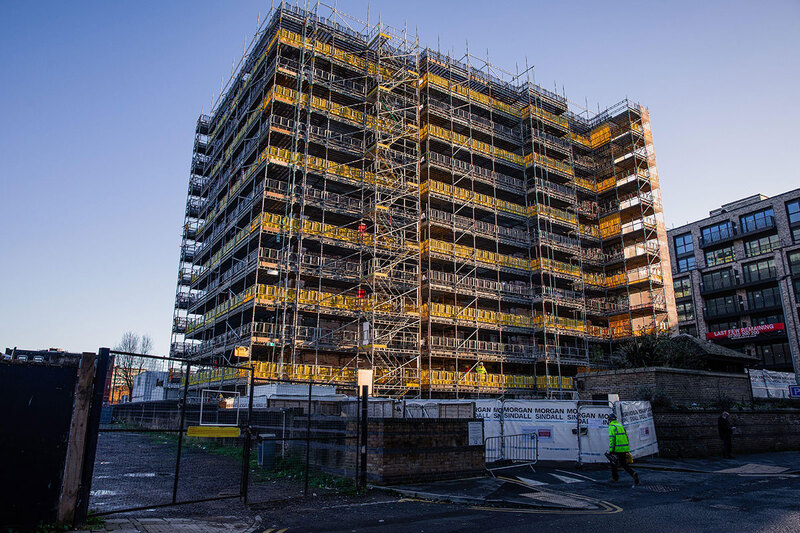
A new report from the English regulator has shown a slight fall in the number of social housing blocks that still have no clear remediation completion date, in the first quarter of this year.


 Slight fall in number of social housing blocks that have no clear remediation completion date #UKhousingA new report from the English regulator has shown a slight fall in the number of social housing blocks that still have no clear remediation completion date #UKhousing
The Regulator of Social Housing (RSH) reported the drop from 344 to 326 (16.9%) in blocks taller than 11 metres with life-critical fire safety (LCFS) defects that have an “unclear” completion date, or one that is beyond 10 years.
The number of buildings identified as having LCFS defects has risen from 1,897 in the previous quarter to 1,926.
Of these, 80 were remediated over the past quarter, and work is in progress or planned for over 64%, while just under 71% are expected to be remediated within the next five years.
Read more
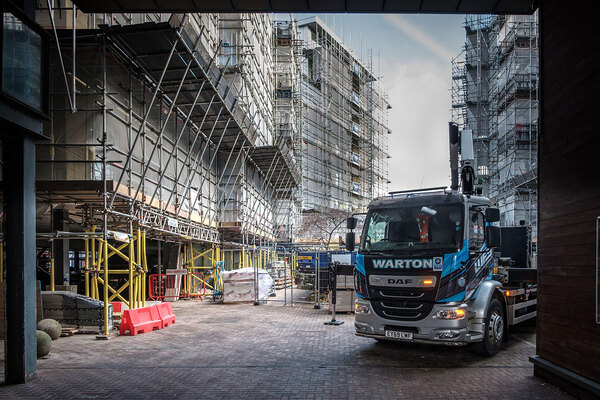
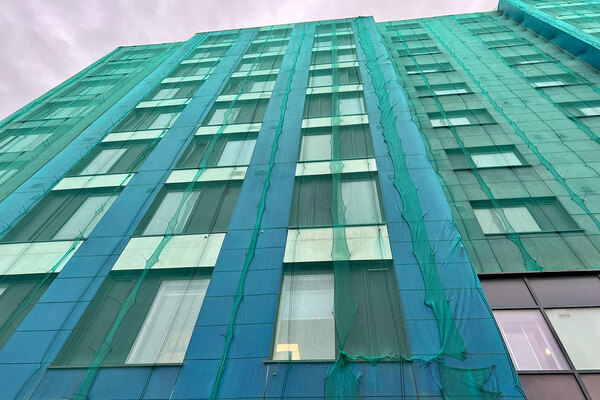
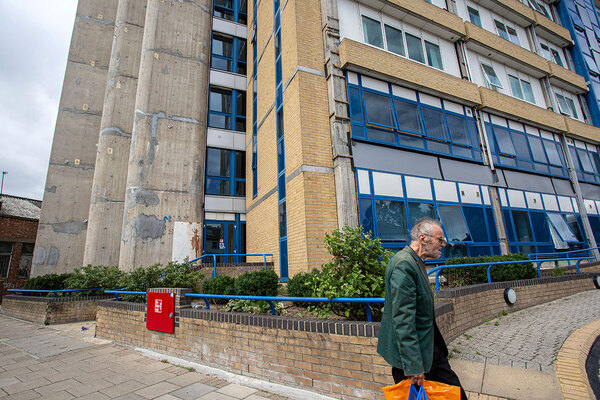
LCFS defects are defined as shrinkages, faults or other failings in a building that give rise to fire safety risks identified by a fire risk appraisal of external wall construction.
Of the total reported 17,146 relevant buildings, housing associations are responsible for 54.6% while councils are responsible for the rest.
Will Perry, director of strategy at the RSH, said: “All social landlords must ensure that tenants are safe in their homes.
“They need to identify risks, remediate relevant buildings at pace and protect tenants while the work is carried out. To do this, landlords need to have robust, up-to-date information about fire safety.
“We continue to use a range of regulatory tools to drive landlords to address fire safety issues and protect tenants.”
The regulator said it will continue to monitor social landlords’ performance in remediating buildings taller than 11 metres and the progress of their plans.
The Spending Review in the summer included an announcement that gave the social housing sector equal access to the remediation fund. The change will come with £1bn of new investment between 2026-27 and 2029- 30.
The RSH pointed out that the number of relevant buildings reported by a landlord in each survey can change due to acquisition or loss of buildings, or through new intelligence about a block that brings it within or takes it outside the scope of the definition.
The report said: “Furthermore, group structure changes and new registered landlords can change the number of landlords reporting data.
“We advise caution in interpreting data changes over time as they may be influenced, at least in part, by a change in the number of reported buildings and their assessment status at each quarter end.
“Data validation and cleansing may be conducted with particular focus on some areas of the FRS [fire remediation survey], especially when new questions are introduced in either the FRS or the building level collection for MHCLG [Ministry of Housing, Communities and Local Government], as alignment between the two is required.”
This means that landlords may need to review their data more closely for these areas and change how they report data across both elements.
Sign up for our fire safety newsletter
Already have an account? Click here to manage your newsletters
Related stories