Building better homes starts with backing the transition
While much of the transition conversation focuses on energy ratings, regulation and net zero ambitions, Lloyds believes the real objective is far simpler: helping housing providers deliver homes that are fit for the future, while improving the lives of the people who live in them


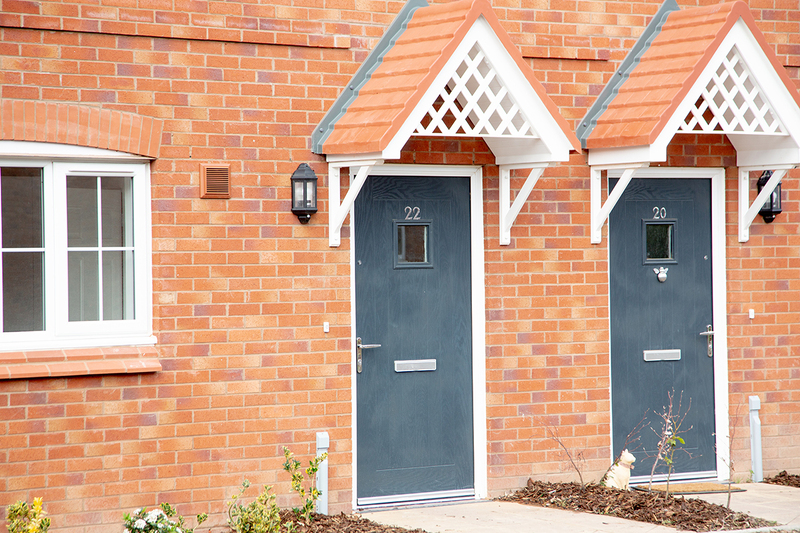 While much of the transition conversation focuses on energy ratings, regulation and net zero ambitions, Lloyds believes the real objective is far simpler #UKhousing
In association with:

A complex landscape
The transition to a more sustainable social housing sector represents one of the most significant opportunities to create lasting social, economic and environmental impact across the UK – but across the sector, organisations are navigating an increasingly complex landscape.
They are responding to growing housing demand, investing in existing stock, improving resident outcomes and progressing ambitious sustainability plans, all while managing financial pressures and maintaining long-term resilience. In England, the phased implementation of Awaab’s Law and the move towards an EPC C-equivalent minimum standard by 2030 add further momentum to the need for safe, warm and energy-efficient homes.
The commitment to creating better homes is therefore clear. The challenge, however, is delivering change at the scale and pace required when the UK’s housing stock tends to start from different places, so achieving that change will require a pragmatic approach to transition.
Social Housing Transition Loan
Some properties already meet high energy-efficiency standards, while others require investment to reach them. As regulatory expectations continue to develop, housing providers should not have to choose between addressing today’s housing needs and delivering tomorrow’s sustainability ambitions. They need solutions that provide the flexibility to improve homes now, while progressing planned investment towards longer-term standards.
That principle underpins Lloyds’ Social Housing Transition Loan, developed to support housing providers throughout their sustainability journey, rather than finance that only benefits them once they have reached their destination. By supporting the acquisition, refinancing, development and retrofit of housing stock, Lloyds aims to provide the flexibility to respond to immediate priorities – including safety, damp and mould, and energy performance – while making long-term investment decisions with confidence.
Read more
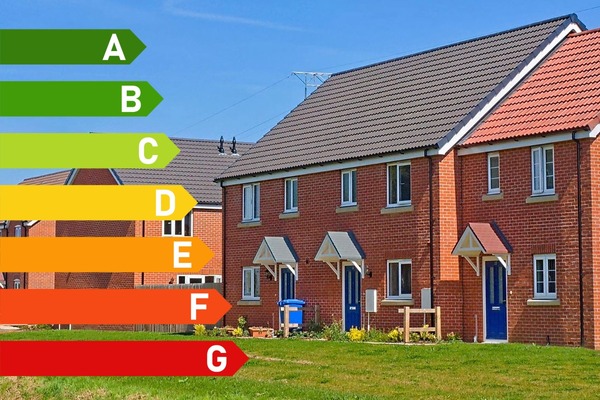

Supporting the journey towards higher energy-performance standards is just as important as recognising those that have already achieved them, and we appreciate that some of the greatest opportunities lie not only in funding homes that already perform well, but in enabling providers to acquire, retain and improve properties through a planned programme of investment.
Transition matters
For us, this is about far more than the fabric of a building. Every successful retrofit has the potential to create a home that is warmer, healthier and more affordable to live in. Improved energy efficiency can help reduce household energy costs, enhance resident comfort and support better long-term outcomes for tenants. At a time when affordability remains a critical issue for many households, these benefits can make a meaningful difference to everyday life.
The social housing sector has a proud history of delivering positive social impact, so the transition to more sustainable housing presents an opportunity to build on that legacy, supporting investment that benefits providers, residents and communities alike.
Clear ambition
Our ambition is straightforward: to help social housing providers accelerate their transition plans through a practical, flexible and commercially sustainable funding solution. By supporting investment in both existing and future housing stock, we hope to unlock progress that might otherwise be delayed and help move the sector forward.
Ultimately, success should not be measured by the volume of lending provided. It should be measured by the homes improved, the investment enabled and the lives enhanced through access to warmer, more comfortable and more affordable homes. When housing providers succeed in creating homes fit for the future, the benefits extend far beyond the front door.
To learn more, or to contact us to discuss your plans, please visit www.lloydsbank.com/business/sustainability/products-and-services/social-housing-transition-loan.html
All lending is subject to status. Eligibility criteria apply. To apply for a Social Housing Transition Loan, you’ll need to be a social or supported housing organisation looking to borrow up to £25 million, managing up to 3,000 units, planning or undertaking an eligible project focused on developing or retrofitting properties to an expected minimum EPC rating of B within an agreed time frame. Lloyds and Lloyds Bank are trading names of Lloyds Bank plc. Registered Office: 25 Gresham Street, London EC2V 7HN. Registered in England and Wales no. 2065. Telephone: 0207 626 1500. Authorised by the Prudential Regulation Authority and regulated by the Financial Conduct Authority and the Prudential Regulation Authority under Registration Number 119278.
Related stories