You are viewing 1 of your 1 free articles
Could AI be used to help refugees and migrants thrive?
AI could be a game-changer when it comes to breaking down barriers and supporting tenants, says Fuad Mahamed, chief executive of refugee and migrant housing provider ACH



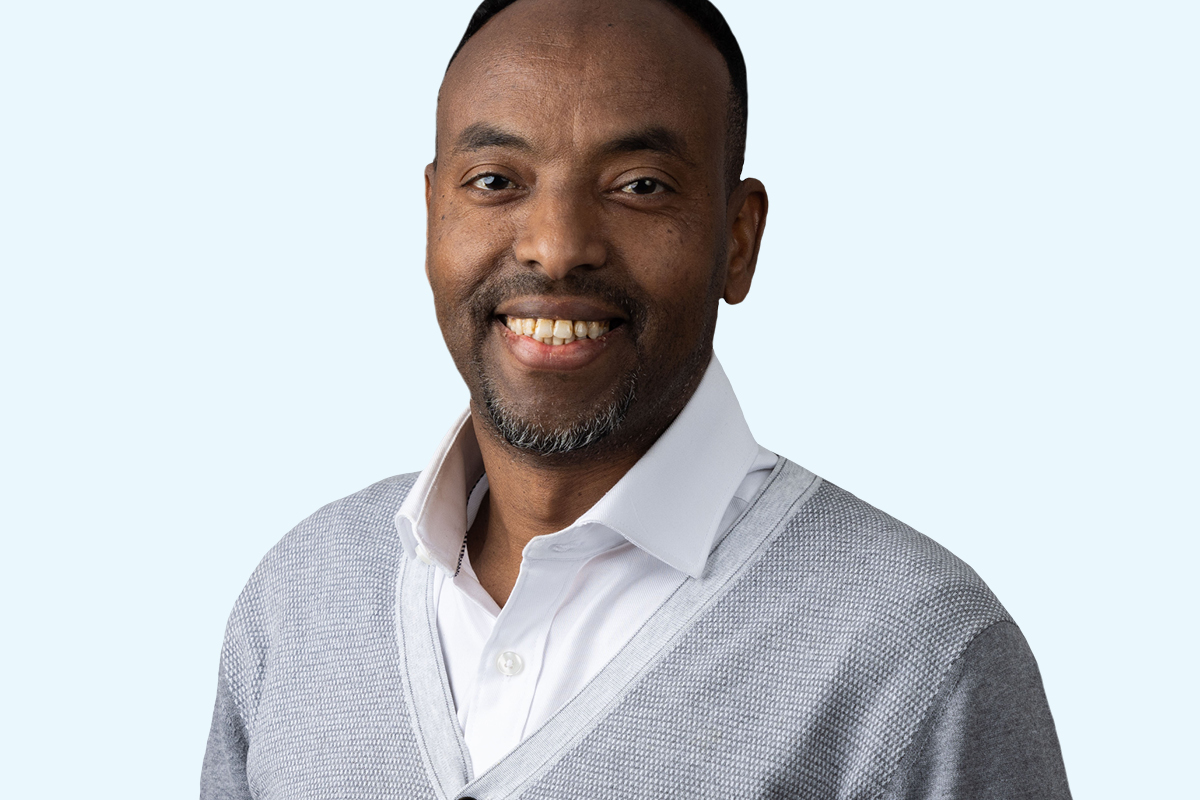
Fuad Mahamed is the founder and CEO of ACH
 AI could be a game-changer when it comes to breaking down barriers and supporting tenants, says Fuad Mahamed, chief executive of refugee and migrant housing provider ACH #UKhousing
Since 2008, we’ve supported more than 20,000 people with housing, training, careers and businesses. We’ve also played a pivotal role in challenging societal misconceptions and making sure refugees and migrants are recognised as individuals with potential rather than deficit.
As part of this commitment to proactively change the narrative, my team and I are currently working with researchers, led by Dr Shuai Qin and Professor Monder Ram at Aston University, on the Generative AI For Refugees’ Socio-economic Integration and Social Good research project.
Read more


Marginalised positions, language barriers, limited support networks and restricted avenues for social engagement are just some of the common barriers refugees and migrants face. They not only stifle their integration into society, but affect their well-being and potential to contribute to their new communities.
However, the advent of generative AI presents a wealth of opportunities. In fact, given its ability to generate new, interactive content from learned big-data patterns, AI stands out as being a potentially crucial tool in overcoming these social obstacles.
Due to conclude in April next year, the 19-month research project was born from the fact that the outputs of many of today’s generative AI platforms are influenced by algorithm-based bias, as well as a desire to understand if the learning materials for AI are inclusive and representative of marginalised communities.
“There are currently no studies aimed at understanding algorithm bias by tailoring generative AI for refugee communities, or research into the effects of using generative AI for refugee integration”
Current research lacks a systematic approach to producing generative AI insights that support refugees, which could actually play a key role in facilitating successful integration.
What’s more, there are currently no studies aimed at understanding algorithm bias by tailoring generative AI for refugee communities, or research into the effects of using generative AI for refugee integration. That’s where this research project comes in.
As part of the research, the researchers used the generative AI chatbot service Character.ai to provide a nuanced, individualised approach to supporting refugees, directly addressing their distinct needs and challenges by providing hyper-tailored interactions. Capable of mimicking one-to-one conversations, the platform can be customised to align with the linguistic competencies, cultural backgrounds and personal narratives of individual refugees.
Additionally, and perhaps more excitingly, some of our frontline workers have been working with project researchers to co-create a series of AI characters that have been informed by their real-life experiences and invaluable work with refugees and migrants. These characters were then used in two lab experiments in which a group of Aston University students were invited to interact with them. Any shifts in their attitudes were assessed and recorded throughout the sessions.
Part two of the research saw several of our tenants being interviewed and their insights used to develop a different set of AI characters, including support workers and peers, which they were invited to engage with during a series of separate workshops.
These interviews delved into the many hurdles refugees face and identified their specific support needs. They also evaluated their current self-confidence levels, language proficiency, social self-efficacy and sense of support – all key factors in their ability to integrate better into society.
“Surveys will be used to monitor changes in the refugees’ self-confidence levels, perceived language abilities and sense of support, to see how their integration is impacted by the multi-language AI characters”
The third phase of the project is beginning now. A total of 20 workshops will be held at our offices in Birmingham and Bristol to facilitate further interactions between refugee groups and the AI characters. Surveys will be used to monitor changes in the refugees’ self-confidence levels, perceived language abilities and sense of support, to see how their integration is impacted by the multi-language AI characters.
The impact of the digital era has been felt sector-wide for some time, and now the age of AI is well and truly upon us. The extent to which AI can be used to not just enable positive interactions to take place, but deliver socio-economic good for refugees and migrants means they can overcome barriers that have been accepted for far too long, and which prevent individuals from thriving.
We’re extremely proud to play such a pivotal role in this extremely important research project. It will undoubtedly change the narrative by opening up new avenues of possibility for refugees and migrants and, more importantly, make them feel supported and heard, ultimately putting them in a much stronger position to go on to thrive.
Fuad Mahamed, founder and chief executive, ACH
Sign up for our care and support bulletin

Already have an account? Click here to manage your newsletters
Related stories