You are viewing 1 of your 1 free articles
We must invest in homes to reduce bills and transform London’s housing stock
The London Net Zero Neighbourhood Programme is a credible and ambitious proposal to deliver retrofit energy efficiency measures to 20,000 London homes, writes Catherine McGuinness, member of the Cities Commission for Climate Investment advisory board and former City of London policy chair



Catherine McGuinness CBE is a member of the 3Ci Advisory Board, and former City of London policy chair on the case for the London Net Zero
...more The London Net Zero Neighbourhood Programme is a credible and ambitious proposal to deliver retrofit energy efficiency measures to 20,000 London homes, writes Catherine McGuinness, former City of London policy chair #UKhousing
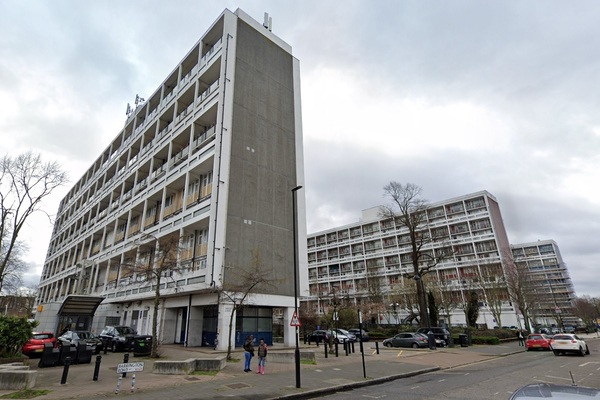
London’s housing stock is the oldest in the country. Much of it was built a hundred years ago or more, and as we experience another cold winter, many London residents will yet again find heating their homes both expensive and inefficient.
Charming as our diverse range of homes in the capital are, their age and construction often mean they leak heat and simply do not meet the needs of a modern city. With more than 470,000 households across London currently facing fuel poverty, the cost of energy bills is being felt more acutely than ever before.
Fuel poverty is cutting deeply into household budgets across the capital, undermining both well-being and financial resilience. It is also placing additional pressure on public services and weakening London’s wider economic dynamism.
Read more





If we’re serious about stimulating growth in the UK economy and lifting residents out of fuel poverty, then scaling up retrofit must be at the top of our agenda. Right now, we have a unique opportunity to achieve exactly that.
Launched at the Centre for London’s annual conference in November, the London Net Zero Neighbourhood Programme (NZN) is a credible and ambitious proposal to deliver retrofit energy efficiency measures to 20,000 London homes over five years, reducing energy bills as well as carbon emissions across the city.
“If we’re serious about stimulating growth in the UK economy and lifting residents out of fuel poverty, then scaling up retrofit must be at the top of our agenda”
In 2024 I chaired an investment taskforce for the Cities Commission for Climate Investment (3Ci), which found widespread support for area-based retrofit models like NZN, provided the necessary structures and partnerships could be developed.
London Councils’ subsequent work, supported by 3Ci and Living Places, shows that by blending £224m of existing grant funding with £194m in additional government capital funding, the programme could unlock an estimated £400m in investment from private sources. This work provides the scale, financial mechanism and growth opportunity that investors have been clear they want to support.
This combined £829m investment would not only drive down carbon emissions and improve air quality in the capital but also boost London’s economy by supporting thousands of green jobs across construction, engineering and supply chains. As the model scales, it should also help drive down retrofit costs through greater demand certainty, more efficient procurement and the development of a skilled workforce able to deliver at volume.
But, critically, NZN is designed with London’s distinct challenges in mind. On a typical London street, you will find a patchwork of Victorian terraces, post-war homes, converted flats, new builds and council blocks – all with different tenures and ownership arrangements.
London’s architectural diversity is distinctive and to be celebrated, but it also makes large-scale retrofit particularly complex. For years we have asked individual households and landlords to navigate a confusing array of schemes, funding pots and requirements. The evidence is clear: this fragmented approach drastically limits uptake and drives up costs.
The neighbourhood-by-neighbourhood design of NZN tackles this head-on. By assessing what homes in a defined area need and co-ordinating improvements collectively, boroughs can create a simple, affordable and practical retrofit offer for every household – whether residents live in social housing, rent privately or own their home outright. This approach creates the conditions for whole-street and whole-estate improvements, rather than leaving large swathes of homes behind.
“The once-in-a-generation chance to transform London’s housing stock through a dynamic mix of public and private finance is an opportunity that must be seized with both hands”
The delivery of warmer homes and lower bills through the adoption of NZN would demonstrate that national and local authorities can collaborate effectively to deliver practical, visible change. At a time when many residents question whether government can deliver on long-term commitments, a model that produces immediate and tangible benefits could help to restore confidence.
The government’s forthcoming Warm Homes Plan – an initiative to make green upgrades to five million homes and cut energy bills – is a timely moment to put this model into practice. Alongside the West Midlands Combined Authority, London Councils has presented a scalable national model to DESNZ that, if backed, could become the blueprint for area-based decarbonisation across the country.
The once-in-a-generation chance to transform London’s housing stock through a dynamic mix of public and private finance is an opportunity that must be seized with both hands. With the right national support, the London Net Zero Neighbourhood Programme can deliver warmer homes, lower bills and more resilient neighbourhoods, strengthening both London’s economy and its path to net zero.
This is an opportunity neither Londoners nor the government can afford to miss.
Catherine McGuinness, advisory board member, Cities Commission for Climate Investment (3Ci) and former policy chair, City of London
Sign up to Inside Housing’s Asset Management newsletter
Inside Housing’s Asset Management newsletter brings you comprehensive in-depth news, comment, insight and analysis of how affordable housing providers are managing their homes.
Already have an account? Click here to manage your newsletters.
Related stories