You are viewing 1 of your 1 free articles

We need to make downsizing easy
A rethink of nominations is needed to ensure tenants can move and free up homes, argues Reuben Young


 We need to make downsizing easy
Housing associations exist to meet housing need.
We can – and do – achieve this goal by building new homes. Nationally housing associations completed 24,000 homes for social or affordable rent last year, and started work on another 25,000.
But newly built homes account for just a fraction of new lets each year. Around 88% of social housing lets are relets – homes vacated after a tenant has moved out or moved on.
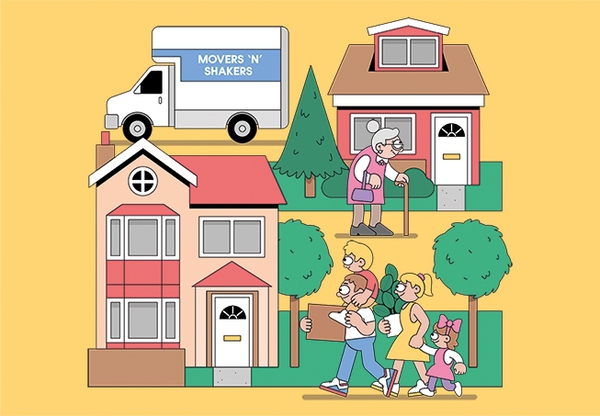

The larger the homes we relet, the more people we can house in the homes we own. More people will benefit from our low rents, benefit from the added security of a social tenancy, and benefit from the unique support that housing associations offer.
“Newly built homes account for just a fraction of new lets each year.”
To create larger vacant homes, we need to make downsizing as easy and as worthwhile as possible for our existing residents.
In London right now there are around 225,000 households living in an insecure and unaffordable private rented sector who are waiting on a housing list.
There are a further 55,000 households in disruptive temporary accommodation, either accepted as homeless or waiting for the outcome of their application.
These are the people housing associations exist to help. And we can help more of them – and notably more children – by increasing the sizes of the vacant homes we offer them.
Our latest research, Take-up on downsize, shows that Family Mosaic has about 3,000 tenants (12%) under-occupying their homes.
For the ones open to downsizing, we employ dedicated mutual exchange officers, and have adopted innovative new methods of helping them move home, like the app MoveMaker (which is like Tinder for mutual exchanges), G15 ‘London moves’, and more besides.
“Our homes tend to be smaller than our households.”
But we need to go further.
In our research, would-be downsizers told us that a lack of smaller homes was their biggest barrier to moving. But our analysis tells us this doesn’t quite add up.
On average, our homes tend to be smaller than our households. The same is likely to be true for other London social housing providers. So what’s actually missing?
It’s the lack of empty smaller homes for downsizers to move into.
To free up as many larger properties as possible, we need to pull out all the stops.
Our research explains why the best place to start is offering our downsizers first refusal on all our vacant homes in the first instance.
If they accept, we could give a larger home to the council for nominations, and help more people.
This would take a significant rethink of our nominations processes – particularly the way we as associations interpret nominations agreements.
But by working with local councils to do this, we just might be able to give more people the chance to live in a secure home at a cost they can afford. We will also be able to help their children escape an insecure private rented sector or inappropriate and overcrowded temporary lodgings.
Reuben Young, research and policy analyst, Family Mosaic
Related stories