You are viewing 1 of your 1 free articles
Safety watchdog to monitor cladding replacement work
The national health and safety watchdog has set up a team to visit buildings where the cladding is being replaced to monitor safety.


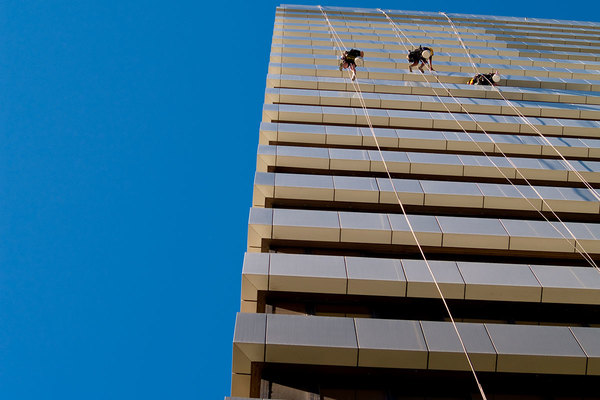 The national health and safety watchdog has set up a team to visit buildings where the cladding is being replaced to monitor safety #ukhousing
Fifteen inspectors from the Health and Safety Executive (HSE) are planning to carry out unannounced visits to tower blocks, starting with mainly social housing, to ensure that cladding replacement is being done safely.
The Ministry of Housing, Communities and Local Government (MHCLG) has provided HSE with a full list of buildings clad in aluminium composite material (ACM), the material used on Grenfell Tower.
It will be visiting the ones which are at higher risk, along with the local fire and rescue service, to consider various issues relating to the prevention of fire. This will cover between 80 and 90 buildings, around 20% of those on MHCLG’s list.
Read more
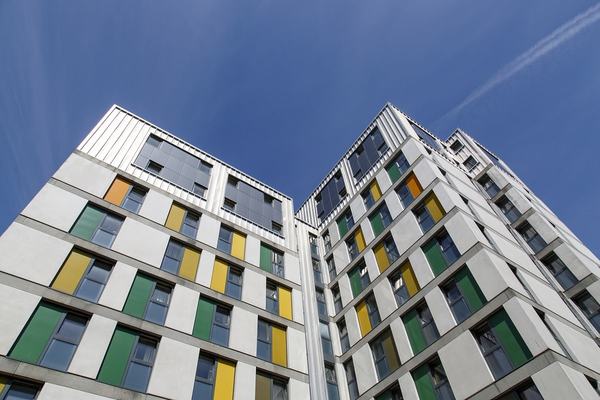
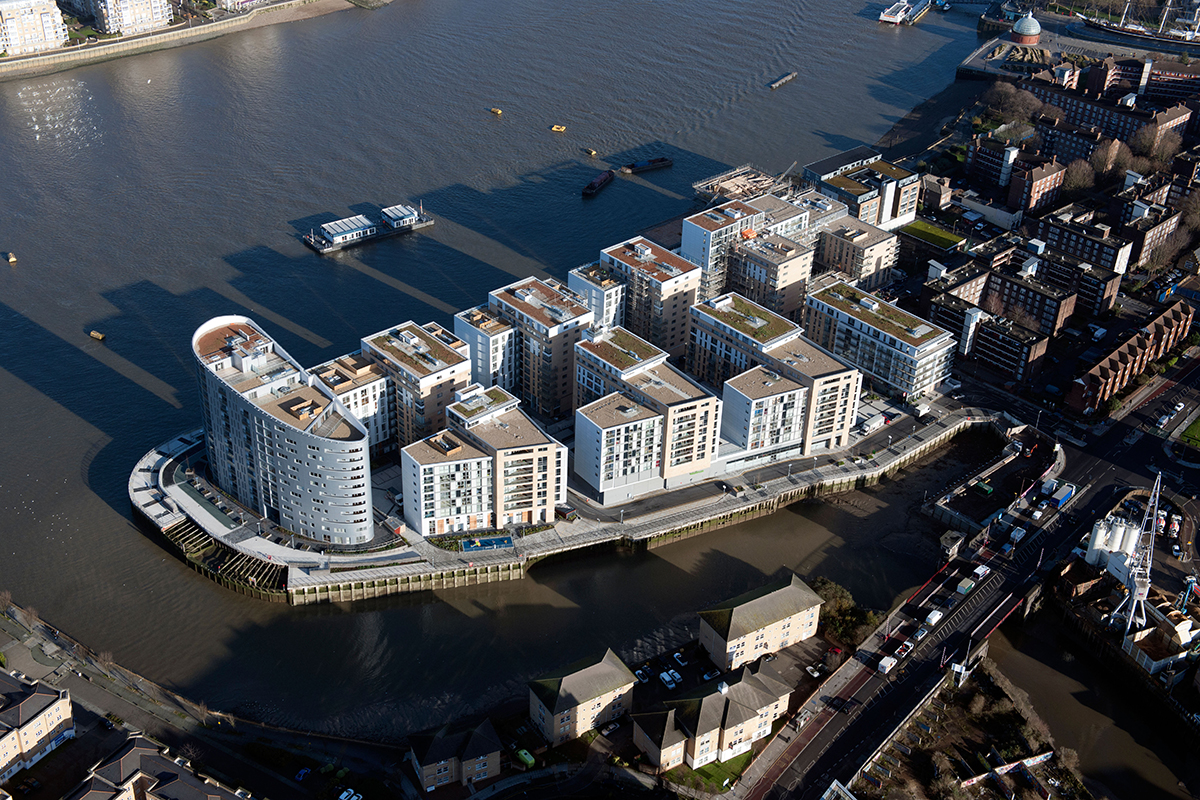
Ray Cooke, head of the construction safety team at the HSE, told Inside Housing: “The process issues are very much about what techniques of work are they going to choose to use. Are there safer techniques of work to cut down on the risk of fire?
“What are you doing with the material that you take off? How much are you keeping on site in any one day? What are your waste collection facilities? All of those sorts of things are process fire risks and that’s very much going to be the emphasis of what we look at.”
Mr Cooke added that the HSE will be writing to the owners and managing agents of the buildings explaining the standards that it will expect when it visits these buildings.
Although the team’s remit covers all buildings clad with ACM, in the social and private sector, Mr Cooke said that it would inevitably begin mainly with social housing because social landlords make up the vast majority of those who have started remediation work.
In June, Claire Curtis-Thomas, chief executive of accreditation body the British Board of Agrément, told MPs that many tower blocks were being left unsafe after the removal of cladding.
Mr Cooke said: “What you can’t do is leave the insulation exposed, as that’s likely to get wet and fall off the building. I hope people, when they have been taking stuff off, have thought through what they’ve been taking off and have done it in a correct way so they’re not creating other risks.”
Never Again campaign
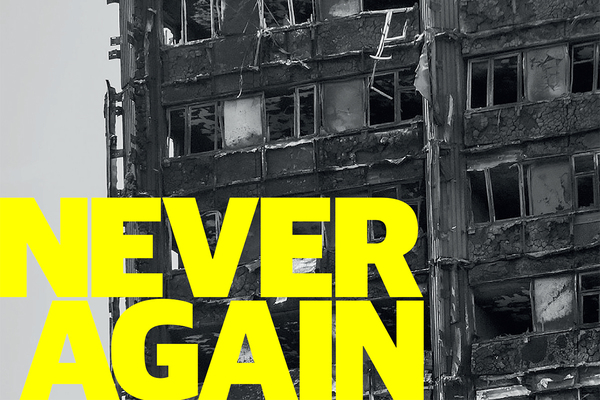
In the days following the Grenfell Tower fire on 14 June 2017, Inside Housing launched the Never Again campaign to call for immediate action to implement the learning from the Lakanal House fire, and a commitment to act – without delay – on learning from the Grenfell Tower tragedy as it becomes available.
One year on, we have extended the campaign asks in the light of information that has emerged since.
Here are our updated asks:
GOVERNMENT
- Act on the recommendations from Dame Judith Hackitt’s review of building regulations to tower blocks of 18m and higher. Commit to producing a timetable for implementation by autumn 2018, setting out how recommendations that don’t require legislative change can be taken forward without delay
- Follow through on commitments to fully ban combustible materials on high-rise buildings
- Unequivocally ban desktop studies
- Review recommendations and advice given to ministers after the Lakanal House fire and implement necessary changes
- Publish details of all tower blocks with dangerous cladding, insulation and/or external panels and commit to a timeline for remedial works. Provide necessary guidance to landlords to ensure that removal work can begin on all affected private and social residential blocks by the end of 2018. Complete quarterly follow-up checks to ensure that remedial work is completed to the required standard. Checks should not cease until all work is completed.
- Stand by the prime minister’s commitment to fully fund the removal of dangerous cladding
- Fund the retrofitting of sprinkler systems in all tower blocks across the UK (except where there are specific structural reasons not to do so)
- Explore options for requiring remedial works on affected private sector residential tower blocks
LOCAL GOVERNMENT
- Take immediate action to identify privately owned residential tower blocks so that cladding and external panels can be checked
LANDLORDS
- Publish details of the combinations of insulations and cladding materials for all high rise blocks
- Commit to ensuring that removal work begins on all blocks with dangerous materials by the end of 2018 upon receipt of guidance from government
- Publish current fire risk assessments for all high rise blocks (the Information Commissioner has required councils to publish and recommended that housing associations should do the same). Work with peers to share learning from assessments and improve and clarify the risk assessment model.
- Commit to renewing assessments annually and after major repair or cladding work is carried out. Ensure assessments consider the external features of blocks. Always use an appropriate, qualified expert to conduct assessments.
- Review and update evacuation policies and ‘stay put’ advice in the light of risk assessments, and communicate clearly to residents
- Adopt Dame Judith Hackitt’s recommended approach for listening to and addressing tenants’ concerns, with immediate effect
CURRENT SIGNATORIES:
- Chartered Institute of Housing
- G15
- National Federation of ALMOs
- National Housing Federation
- Placeshapers
Related stories