You are viewing 1 of your 1 free articles
Cladding system passes government test for first time
A cladding system has passed the government’s tests for fire safety for the first time.


 Cladding system passes government test for first time
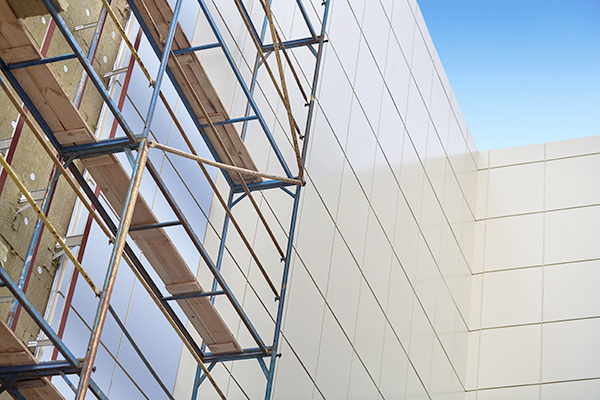
The latest system to be tested, an aluminium composite with fire retardant materials and fire resistant insulation, resisted the spread of fire across the wall.
After the test, the government announced a change to its testing schedule, adding a new test of this kind of panel but with a new type of foam: phenolic foam.
The government is in the process of testing different cladding systems, installed on model walls nine metres high, to see if a fire started at the bottom of the wall spreads to the top. All three previous systems tested failed, with fire spreading quickly up the cladding.
Read more
Failure is defined as the temperature at various points rising above 600°C for more than 30 seconds.
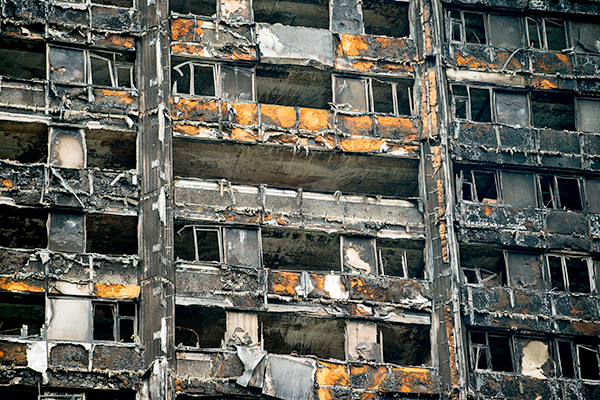
When cladding of the same kind used on Grenfell was tested, fire reached the top of the wall before seven minutes had elapsed and the temperature rose quickly. In this test, the fire never made it to the top of the wall.
Although the panels immediately above the fire were almost entirely consumed and fire spread into the cavity between the cladding and the insulation, the fire-resistant stone wool insulation did not allow the fire to spread up the cavity.
The tests were originally set to look at six different combinations of panels made from aluminium composite materials (ACM) with different fillers and different kinds of insulation behind those panels.
Both systems using ACM panels with an unmodified polyethylene filler (category 1) failed, even when combined with the more fire resistant mineral wool insulation. A system using a fire retardant polyethylene filler (category 2), but combined with polyisocyanurate foam insulation – the same kind as used on Grenfell – also failed.
But when category 2 ACM panels were combined with mineral wool insulation in the latest test, the fire failed to spread.
The government did, however, urge caution even for landlords using cladding systems of this kind. The ACM panel used had a ‘calorific potential’ – a measurement of combustibility – of 13.6MJ/kg. The lower the number the more combustible the product is.
This is about average for a category 2 ACM panel, meaning that some category 2 ACM panels could have a lower figure and therefore be less safe. The government has encouraged building owners with category 2 panels to check the calorific potential.
Related stories