You are viewing 1 of your 1 free articles
Lack of transparency and quality of homes cause landlords to avoid Section 106
A lack of transparency in Section 106 agreements and concerns over the quality of homes have led to social landlords avoiding taking on properties, according to a report from the UK’s spending watchdog.


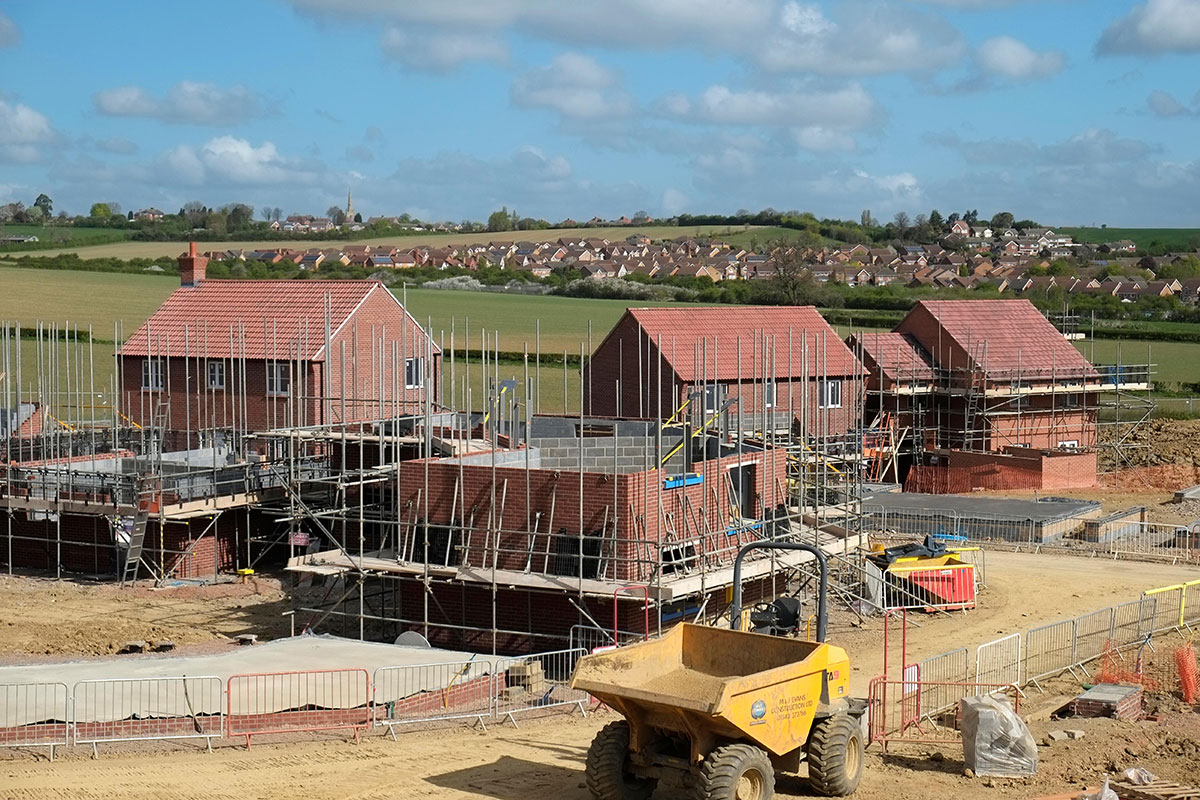 A lack of transparency in Section 106 agreements and concerns over the quality of homes have led to social landlords avoiding taking on properties, according to a report from the UK’s spending watchdog #UKhousing
The wide-ranging 48-page report from the National Audit Office (NAO) said “mismatched expectations” about price and a “lack of transparency about the availability of homes for sale” were also dulling appetite for Section 106 properties.
Under the system, a developer commits to pay a council a financial contribution towards the cost of local infrastructure and provide affordable housing on a scheme.
Housing associations’ diminishing desire to take on Section 106 homes was highlighted last October, after a study by the Home Builders Federation found around 17,400 properties with planning permission but no buyer.
Read more



Despite this, the NAO report found that a Homes England clearing service launched last December had only around 600 Section 106 homes listed as of February this year.
A total of 110 developers have signed up to the service, according to the NAO. Inside Housing understands that Homes England is “continuing to assess the effectiveness of the clearing service”.
The NAO’s report also warned that a disparity between the resources of councils and developers and a “lack of coordinated” government support are factors in the problems for Section 106. The watchdog warned this could scupper the government’s 1.5 million new homes target.
“This issue represents a risk to the government’s aim of increasing overall housing supply, since having unsold Section 106 homes can sometimes stall whole developments,” the report said.
Elsewhere, the report called on the government to look at the “perceived conflicts of interest” from consultants representing both councils and developers over viability assessments.
The NAO said the Ministry of Housing, Communities and Local Government (MHCLG) should “determine whether any action is needed” on this issue.
Many local planning authorities also face staffing issues, “hampering their ability to negotiate with developers and deliver infrastructure efficiently”, the report said.
The NAO further claimed that MHCLG did not have “accurate or timely data” on developer contributions, and “does not know if the system is delivering benefits as intended”.
Among its other recommendations, the NAO said MHCLG should encourage greater use of the Community Infrastructure Levy (CIL). This should be done by “removing barriers to introducing it for areas where that would be a viable approach”.
Gareth Davies, head of the NAO, said “important issues must be addressed” to ensure the system for developer contributions delivered value for money.
Adam Hug, housing and planning spokesperson for the Local Government Association, said councils needed a system that was “transparent, efficient and effective”.
He added: “There also needs to be urgent changes made to the viability system – for example, removing the requirement to factor in an assumed developer or landowner return or removal of viability assessments as a material planning consideration entirely.”
Richard Clewer, housing and planning spokesperson for the County Councils Network, which represents 20 county councils and 17 unitary authorities, said: “As this National Audit Office report shows, there are numerous challenges within the developer contributions system that should be addressed as part of planning reforms, such as staffing and skills gaps.
“Indeed, with the amount raised from developer contributions decreasing, the need to reform the system has never been greater.”
An MHCLG spokesperson said: “We are carefully considering the report from the National Audit Office and are already taking decisive action to deliver the 1.5 million homes as part of our Plan for Change.
“We have taken steps to strengthen the developer contributions system to ensure it helps deliver more affordable homes and infrastructure, alongside making the planning system faster, fairer and more effective.
“To drive this change, we are investing £46m to bolster council planning teams and recruiting 300 new planners with the skills needed to deliver our seismic reforms and tackle the worst housing crisis in living memory.”
The previous government tabled plans in 2023 to scrap Section 106 and the CIL and replace it with a controversial infrastructure levy. However, the current government has ditched that plan.
Sign up for our development and finance newsletter

Already have an account? Click here to manage your newsletters
Related stories