You are viewing 1 of your 1 free articles

Alicia Walker is head of policy, research and campaigns at Centrepoint
129,000 and counting – we need a plan to end youth homelessness now
Centrepoint is joining forces with 100 other charities to demand action on youth homelessness, writes Alicia Walker


 Centrepoint is joining forces with 100 other charities to demand action on youth homelessness, writes Alicia Walker @centrepointuk #UKhousing129,000 young people aged 16 to 24 faced homelessness last year, and two in five aren’t offered support. We have reached a crisis point, writes Alicia Walker @centrepointuk #UKhousing
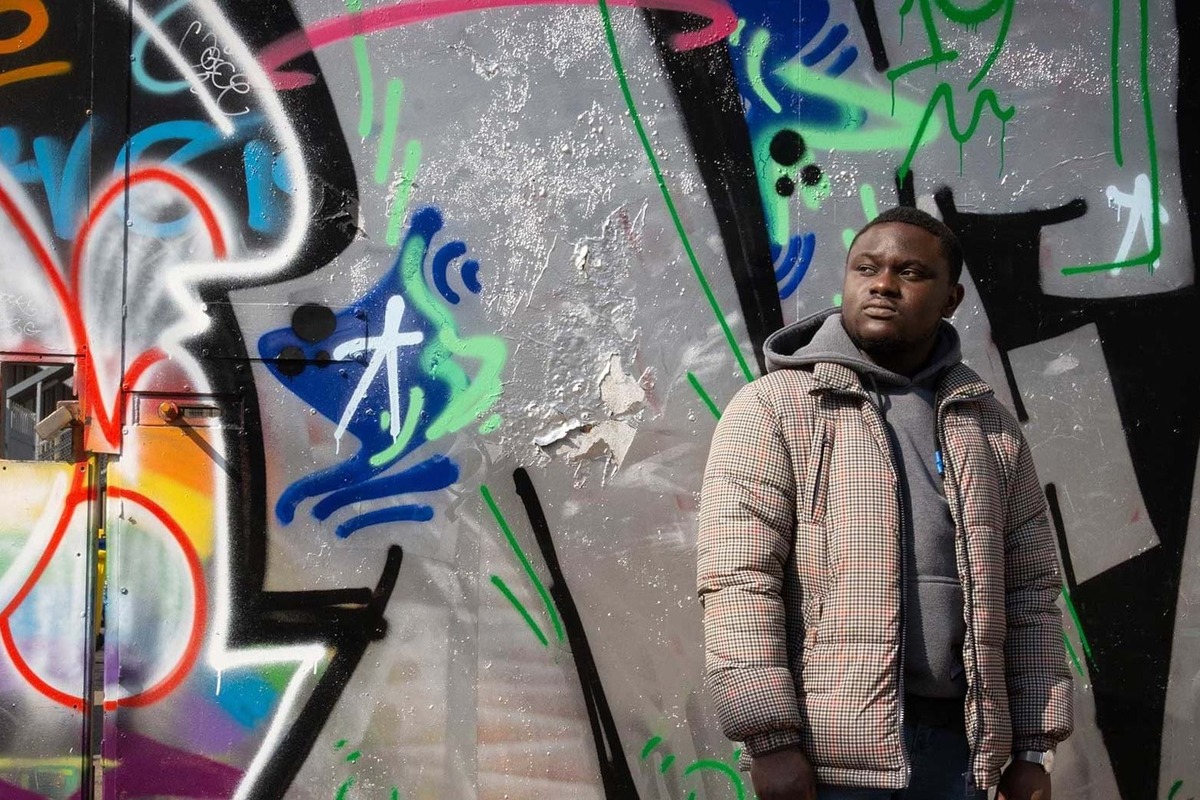
129,000 young people aged 16 to 24 faced homelessness last year, and two in five aren’t offered support. To put that into perspective, that’s 353 young people asking for help every day. A new young person every four minutes.
What’s more, youth homelessness charities and organisations across the country are reporting that the true scale of the issue could be more than double the recorded figures. In fact, many say that up to half of the young people they support haven’t approached their council at all, with thousands of “hidden homeless” young people flying under the radar.
In short, we have reached a crisis point. Change must happen.
Read more
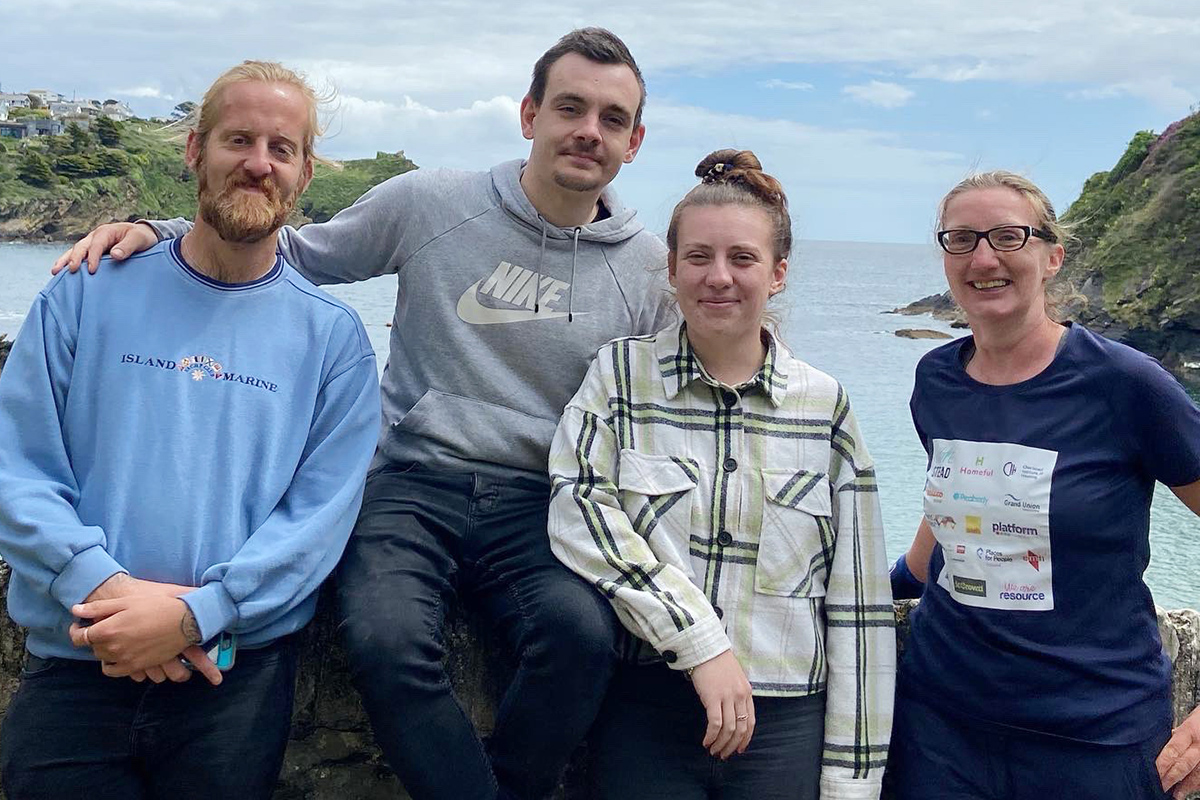


This week, Centrepoint and 100 other charities across our sector joined forces to call on all UK political parties to commit to a strategy to end youth homelessness ahead of the upcoming general election. We want politicians from across the political spectrum to commit to a strategy that not only turns the tide and stops the number of young people with nowhere safe to stay increasing, but that seeks to end youth homelessness once and for all.
We know that this is a bold aim, and that some may think it’s too ambitious, especially given the current challenges facing our country. But big problems require big solutions, and it is precisely because of those challenges that action is so urgently needed.
“129,000 young people aged 16-24 faced homelessness last year, and two in five aren’t offered support”
Young people have found themselves to be among the worst hit by both the pandemic and the cost of living crisis, but they have often struggled to access the support and interventions available to other groups. Now is the time to prioritise young people.
We can make a start by coming together to prevent youth homelessness. This could mean ringfencing resources for youth-specific services that can help to identify and support young people who are at greater risk of homelessness. It could also mean ensuring that young people are educated on how to live independently, as well as making sure they know their rights and where to go for support.
A successful approach will need to be multifaceted and will require ongoing collaboration between schools, families and councils. Llamau’s youth homelessness prevention work in Wales has proved that this is achievable.
The housing crisis has made the youth homelessness crisis acute. Any government wishing to tackle the latter must address the former – including by establishing affordable, safe and stable options for young people.
However, the private rented sector provides the exact opposite type of housing for too many young people, especially those leaving care or hostels. They simply can’t move on from supported accommodation because rents have reached impossible heights, and they often don’t have ready guarantors to help them secure this type of accommodation.
Tackling this will require better regulation and more innovative housing solutions like Centrepoint’s Independent Living Programme, which gives young people a place to call home for no more than one-third of their monthly income.
“Youth homelessness charities and organisations across the country are reporting that the true scale of the issue could be more than double the recorded figures”
One of the key pieces of the puzzle is a very simple fix. We must get those under-25s escaping homelessness or leaving care onto a level playing field with older Universal Credit claimants. Currently, young people living independently receive £70 less a month, or more than a quarter less than those aged 25 and over.
It defies logic that we penalise young people because of their age, especially in a cost of living crisis where rent, bills and essentials are the same, no matter what is on your birth certificate.
For nearly three years, the Local Housing Allowance rate has been frozen, leaving some young people facing benefits shortfalls that amount to more than £100 a month. This is unacceptable and it is setting young people up to fail before they have even had an opportunity to start their lives.
We know that youth homelessness is complex, and that ending it requires a multifaceted, cross-government approach. But with the collective support of our sector, and real political will, we can drive change.
From this week on, our sector will begin to set out how we think this can happen, but it is up to the politicians to join the dots and start delivering for vulnerable young people by committing to a cross-government ending youth homelessness strategy.
Alicia Walker, head of policy, research and campaigns, Centrepoint
Sign up for our homelessness bulletin

Already have an account? Click here to manage your newsletters
Related stories