You are viewing 1 of your 1 free articles
Tackling damp and mould in older homes does not always require deep retrofit
Older homes can meet modern health standards if we stop managing them like new builds, writes Jason Ratcliffe, The Wellbeing Surveyor



Jason Ratcliffe is an RICS surveyor
 Older homes can meet modern health standards if we stop managing them like new builds, writes Jason Ratcliffe, The Wellbeing Surveyor #UKhousing
A significant proportion of the UK’s housing stock was built long before modern standards of insulation, airtightness and mechanical ventilation. Solid walls, suspended floors and breathable materials were designed to manage moisture through movement rather than containment.
Across social housing, the private rented sector and owner-occupied homes, many of the damp and mould issues now under increasing scrutiny are not the result of age or neglect, but of a growing disconnect between how these buildings were designed to work and how they are currently managed.
Traditionally constructed homes using cob, solid stone, solid brick or rubble-filled walls remain common across large parts of the country, including rural and coastal areas. These buildings were never intended to behave like sealed systems. When they are treated as if they were modern cavity wall properties, moisture becomes trapped, airflow is restricted and health risks increase.
Heightened attention on damp and mould has shifted expectations across all tenures. Social housing providers face direct regulatory scrutiny, while private landlords and homeowners are encountering rising enforcement, legal challenge and health-related complaints. This shared pressure highlights a critical gap between reactive, compliance-driven repairs and evidence-based management of moisture, ventilation and building fabric in older housing stock.
Read more
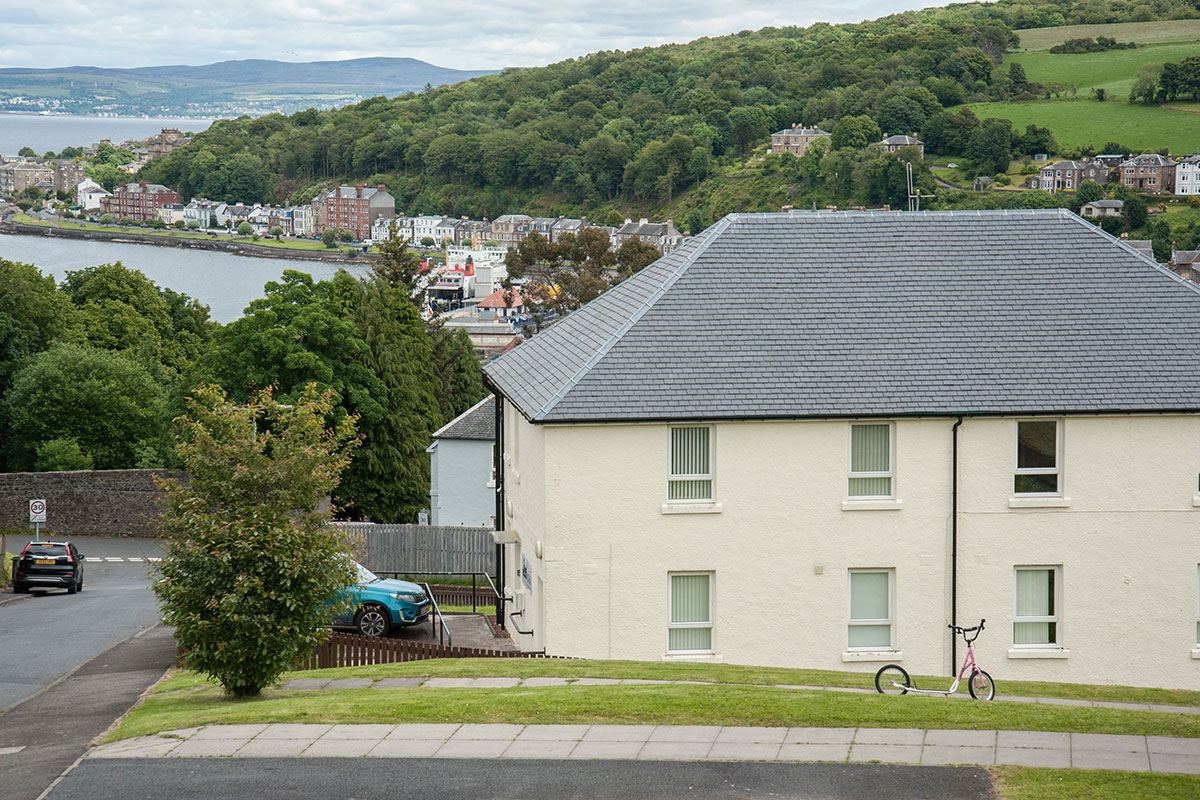

Traditional buildings rely on permeability. Moisture is expected to pass through walls, floors and finishes rather than being sealed inside them. Cob walls regulate internal humidity by absorbing and releasing moisture gradually, while thick stone walls rely on evaporation through lime-based mortars and renders.
When breathable elements are replaced with dense, impermeable modern materials, moisture has nowhere to go. This is particularly problematic in exposed or coastal locations, where wind-driven rain, higher ambient humidity, and salt-laden air increase moisture loading on the building fabric, reducing drying potential and long-term thermal performance.
The result is often unmanaged moisture movement and internal condensation, particularly on colder external walls, behind furniture or in poorly ventilated corners. To occupants, this can appear as neglect or disrepair. From a building performance perspective, though, it is a predictable outcome of disrupted moisture balance.
“Many of the damp and mould issues now under increasing scrutiny are not the result of age or neglect, but of a growing disconnect between how these buildings were designed to work and how they are currently managed”
In many cases, these issues emerge following partial upgrade programmes. Replacement windows, internal finishes or selective insulation are introduced without sufficient consideration of ventilation rates or moisture pathways. In solid wall properties, this can shift moisture risk inwards, increasing the likelihood of hidden damp within wall structures.
Damp and mould should be treated as health indicators rather than cosmetic defects. Research and frontline experience consistently show that prolonged exposure to damp environments is associated with respiratory symptoms, fatigue, headaches and sleep disruption. Children, the elderly and those with existing health conditions are particularly vulnerable.
A change of approach
In one anonymised case, a coastal property of solid stone construction experienced repeated mould complaints in a ground floor bedroom. Previous responses focused on surface cleaning and redecorating. A later assessment identified dense internal finishes applied during earlier upgrades, limited background ventilation and reduced drying potential due to the exposed location.
Breathability was partially restored using more vapour-open repair materials alongside improved ventilation. It was also recognised that, given the coastal exposure, ongoing inspection and more regular maintenance would be required to manage moisture loading over time. Once these measures were in place, internal moisture levels stabilised and visible mould did not return, without major structural intervention.
In cob and stone buildings, moisture can accumulate invisibly within thick walls or floor voids long before mould appears on the surface. Cleaning or sealing visible mould without addressing airflow, heating balance and moisture movement rarely provides a lasting solution, and can delay meaningful intervention until problems escalate.
Improving health outcomes in older homes does not always require deep retrofit or high-cost technological solutions. In many cases, lighter-touch interventions deliver more reliable and sustainable results.
These include ensuring background ventilation is present and functional, reviewing heating patterns to reduce cold surface temperatures, selecting repair and finish materials that allow appropriate moisture movement and avoiding impermeable coatings or linings on cob, stone or solid wall constructions.
“Occupants are often unaware that historic homes behave differently from modern properties, particularly in relation to ventilation and moisture”
In exposed or coastal locations, this approach requires additional realism. Higher ambient humidity, salt exposure and wind-driven rain increase moisture loading on buildings and reduce drying potential. In these settings, semi-breathable materials can be appropriate, but only where their limitations are understood and supported by regular inspection, timely maintenance and effective ventilation.
This is not a compromise. It reflects the reality that some buildings require closer stewardship because of their construction and location. When acknowledged upfront, lower-intervention strategies can remain effective without increasing risk or long-term cost.
Communication and shared responsibility
One of the most overlooked aspects of managing older housing stock is communication. Occupants are often unaware that historic homes behave differently from modern properties, particularly in relation to ventilation and moisture.
This applies across all tenures. Social tenants, private renters and homeowners alike benefit from clear, health-focused guidance that explains why certain actions matter without placing blame. This is especially important in traditionally constructed or coastal homes, where small changes in heating, ventilation or furnishing can have an outsized impact on internal conditions.
This approach is most effective when paired with visible maintenance or investment that reinforces shared responsibility between occupants and those responsible for the building fabric. Where communication is absent, assumptions about behaviour or responsibility can quickly escalate into conflict.
From reactive compliance to preventative care
As regulation and public expectation continue to move towards health-based standards and preventative risk management, older housing stock presents both a challenge and an opportunity across all tenures. Those responsible for these buildings will increasingly be held accountable for their understanding of building performance, not just their response to visible defects.
Historic buildings, including cob cottages, stone terraces and exposed coastal homes, remain a central part of the UK housing landscape. Their future performance depends on working with their original moisture and ventilation strategies rather than overriding them. When managed with evidence, care and proportionate intervention, older homes can meet modern expectations for health and safety.
Getting this right is not simply a matter of heritage or maintenance. It is a test of whether the housing sector as a whole is prepared for a future in which occupant well-being defines housing quality.
Jason Ratcliffe, The Wellbeing Surveyor
Sign up to Inside Housing’s Asset Management newsletter
Inside Housing’s Asset Management newsletter brings you comprehensive in-depth news, comment, insight and analysis of how affordable housing providers are managing their homes
Click here to register and receive the Asset Management newsletter straight to your inbox.
And subscribe to Inside Housing by clicking here.
Already have an account? Click here to manage your newsletters.
Related stories