You are viewing 1 of your 1 free articles
Housing associations’ financial accounts: what are the highlights?
It is financial reporting season, and the housing associations which have published so far shed light on difficult market conditions – and what the swathe of mergers have accomplished. Eliza Parr reports


 Housing associations’ annual accounts reveal benefits from mergers amid difficult market conditions #UKhousingHousing associations’ financial statements for 2024-25 have been released over recent months. Eliza Parr looks through key numbers from some of the largest landlords #UKhousing
The past year has seen housing associations grappling with higher costs due to increased demand for repairs, with many reporting rising operating costs and investment in existing stock.
Landlords have also described the pressures of “volatile” market conditions and efforts to reduce their exposure.
But some associations saw benefits from mergers, increased shared ownership sales in 2024-25 and higher rental income due to the inflation-linked 7.7% rent hike implemented from April 2024.
Read more
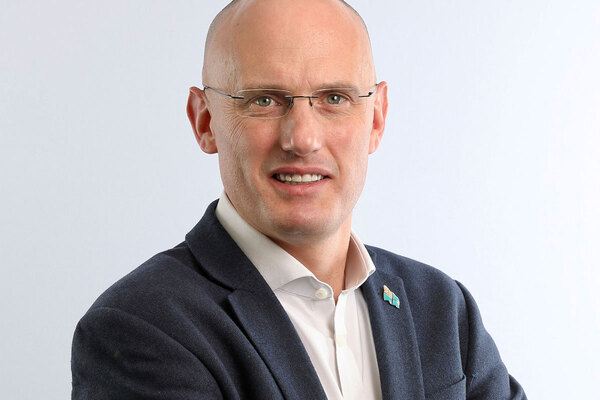
L&Q
Homes managed: 109,659
Homes started: 519
Operating margin: 25%
Turnover: £1.11bn
Percentage turnover from social housing lettings: 70%
L&Q posted a surplus of £33m, down from £117m, as well as a decrease in turnover of £11m. The landlord said this was down to a “strategic decision to slow down development activities and reduce exposure to more volatile market sales activities”.
Social housing activities delivered all of L&Q’s £377m operating surplus, which was driven by increased revenues from rent and fixed-asset disposals. Its turnover from social housing lettings in 2024-25 was £779m, up from £705m in the previous year.
All non-social housing activities delivered a loss of £17m, mainly due to “downward valuation of investment property totalling £40m”.
Places for People
Homes managed: 262,670
Homes started: 3,763
Operating margin: 20%
Turnover: £1.06bn
Percentage turnover from social housing lettings: 54.6%
Places for People reported a significant increase in pre-tax profit from £80.1m to £376m, which was driven by its acquisition of Origin Housing.
The non-compliant landlord joined Places for People in April 2024, bringing an additional 7,500 homes and £87.5m turnover into the group.
The large social landlord’s operating costs increased by £162m in 2024-25. Spending on repairs and maintenance was up by 27%, from £119m to £145m, while spending on capital improvements increased by £44m.
Last month, the housing association announced talks for another merger with 900-home South West landlord Elim Housing.
Clarion
Homes managed: 125,000
Homes started: 1,859
Operating margin: 21%
Turnover: £1.09bn
Percentage turnover from social housing lettings: 78%
Clarion reported “record” turnover of £1.09bn in 2024-25, up from £993m the previous year. The annual report said this increase – which was driven by a 20% increase in operating surplus for core social housing lettings activity – allowed the housing association to absorb some of the provisions for building safety throughout the year.
The large landlord reported provisions for building safety of £35.4m, while its joint venture partnerships fell to a £3m loss after impairment charges. It said costs stemmed from difficult market conditions, historical contractor failure and remediation provisions.
Delivery of homes increased 12.3%, with 1,727 completed in 2024-25. But spending on development and regeneration dropped slightly from £486m to £420m. Routine spending maintenance also fell, dropping 3.1% to £185m, while overall spending on repairs and maintenance fell by £1m to £417m.
Bromford Flagship
Homes managed: 82,000
Homes started: 1,533
Operating margin: 30%
Turnover: £607m
Percentage turnover from social housing lettings: 81%
Bromford and Flagship merged in February 2025, which the group expects will unlock £1.9bn of additional capacity over the next 15 years.
In the year up to 31 March 2025, group turnover increased from £567m to £607m, with social housing lettings income rising by £45m to £495m. This was down to “strong new build performance” from the previous year and the 7.7% annual social rent increase.
The annual report said the 8% increase to operating costs, up to £353m, was “driven by continued investment in our existing homes through higher maintenance and repairs” as the landlord continues to “focus on reducing repair volumes and condensation, damp and mould”.
Despite the challenges of increased demand for repairs, cost of living increases and merger costs, Bromford Flagship reported improved margins, with its operating margin rising one percentage point to 30%.
Sovereign Network Group
Homes managed: 84,831
Homes started: 2,486
Operating margin: 20%
Turnover: £794.2m
Percentage turnover from social housing lettings: 77.8%
Following the 7.7% annual rent hike and “strong” performance in delivering new builds, Sovereign Network Group’s (SNG) social housing rental income soared by £51.6m. Its overall surplus was up £11.9m to £74.8m, while operating surplus grew from £171.5m to £205.2m in 2024-25.
SNG upped its investment in building new homes this year from £488m to £642m, although the number of new homes it delivered fell from 2,016 to 1,590, of which 90% were affordable.
The landlord’s operating costs rose by 12.5%, which it said was mainly driven by a rise in maintenance and repairs, as well as increased insurance and depreciation costs from its investment in new homes.
Chief executive Mark Washer said the financial statement “reflects the strength and stability” SNG has achieved since the merger of Sovereign and Network Homes in 2023.
Vivid
Homes managed: 37,290
Operating margin: 31%
Turnover: £407.5m
Percentage turnover from social housing lettings: 75%
Vivid posted a 15% rise in its surplus, which totalled £61.9m, while its operating surplus saw a 13.6% rise to £124.8m. The social landlord, which manages homes across the South of England, increased its turnover from £357.9m to £407.5m, with its turnover for social housing lettings rising by £15m.
The annual report said that for Vivid’s size, the landlord is “one of the biggest developers in the country”. It delivered 1,505 homes in 2024-25, which placed it sixth in Inside Housing’s Top 50 Biggest Builders this year.
However, this was down on the 1,524 homes delivered in 2023-24. Vivid has a target to deliver 1,600 homes next year.
Chief executive Mark Perry said the association focused on its repairs service in 2024-25 and invested £100.2m in existing homes over the year.
Home Group
Homes managed: 57,000
Operating margin: 15.5%
Turnover: £505.4m
Percentage turnover from social housing lettings: 72.8%
North East landlord Home Group’s turnover increased by £12m in 2024-25, which was driven by a £13m increase in shared ownership sales and rising rental income following the 7.7% rent increase. But this was offset by a £30m reduction in the number of private market sales.
Home Group met its operating margin target for 2025, which rose almost three percentage points from 12.7% to 15.5%. The margin for social housing lettings was 20.4%, which was slightly below target due to repairs costs remaining high.
The landlord also invested £174m in its stock, including planned maintenance and efforts to improve energy efficiency. Completions rose in 2024-25 from 1,284 the previous year to 1,437, of which 766 were affordable.
The association’s annual report said that while some landlords in the sector have “shied away” from working with private house builders, Home Group invested in Section 106 homes when these were of a high standard.
Stonewater
Homes managed: 40,509
Operating margin: 18.9%
Turnover: £306m
Percentage turnover from social housing lettings: 88%
Stonewater saw its pre-tax surplus plummet by just over 90% to £12m in 2024-25. Its surplus the previous year was £131m, mainly due to a one-off gain of £122m from the acquisition of Mount Green Housing Association.
The drop in surplus was also due to greater investment in its homes. Stonewater’s annual report said it had experienced “consistently high operational costs and increased investment to ensure homes are safe and meet new regulatory standards”.
The report also said the landlord faced a “particularly challenging year”, with its financial position “affected by continued economic pressures and sector-specific challenges”.
However, its turnover increased by £35m, which was driven by property sales, buying new homes and rent increases. Stonewater said its rental income had risen by 17.5% after taking on 1,029 new homes.
Torus
Homes managed: 41,557
Homes started: 851
Operating margin: 22%
Turnover: £277m
Percentage turnover from social housing lettings: 83.6%
North West provider Torus posted a pre-tax surplus of £61m – nearly triple that of the previous year. Its turnover also increased by 13% to £277m, which was driven by higher income from shared ownership sales, which rose from £22.7m to £29.8m.
Torus said that due to “market volatility”, it has been buying homes from volume house builders and selling these as shared ownership properties rather than for outright sale.
The 7.7% rent rise also accounted for Torus’ increase in turnover, with income from social housing activities up to £231m from £208m last year.
While the landlord delivered its highest number of homes in 2024-25 as it completed 1,030, it admitted this figure fell short of its goal for the year due to issues such as contractor failure and supply chain challenges. Its target for the current year is 1,200 completions.
Platform Housing Group
Homes managed: 50,094
Homes started: 1,645
Operating margin: 28.1%
Turnover: £374.4m
Percentage turnover from social housing lettings: 80%
Platform Housing Group saw an 11% increase to turnover, driven by a 9.3% rise in social housing lettings turnover, as well as a 15% increase to its operating surplus.
On development, the annual report said expenditure for the year was down from £313.2m to £287.1m because of contractor insolvencies. However, development is now proceeding as other contractors have been appointed.
Investment in existing homes rose by 58.6% to £62.5m, which chief executive Elizabeth Froude said continues a “trend which is appropriate to commit to customers, supporting the quality of their homes”.
Platform also described the demand for shared ownership properties as “robust” in the Midlands. The landlord’s annual report revealed 526 shared ownership sales in the year to March, up from 418 in the previous year.
Sign up for our development and finance newsletter

Already have an account? Click here to manage your newsletters
Sign up to HOMES UK and Unlock Net Zero Live 2025

Whether your focus is building safety, sustainability, development, AI and digital transformation, housing management, procurement, or resident engagement, this is a must-attend event for all UK housing professionals.
Explore opportunities to increase affordable housing supply and improve the quality and sustainability of existing homes.
Related stories