You are viewing 1 of your 1 free articles
How a training programme is helping tenants become innovators
‘Intrapreneurship’ is changing the culture of an organisation to make it more entrepreneurial. One association took this idea and applied it not to staff, but to tenants. Eve Livingston reports


 ‘Intrapreneurship’ is changing the culture of an organisation to make it more entrepreneurial. One association took this idea and applied it not to staff, but to tenants. @eve_rebecca reports #UKhousing
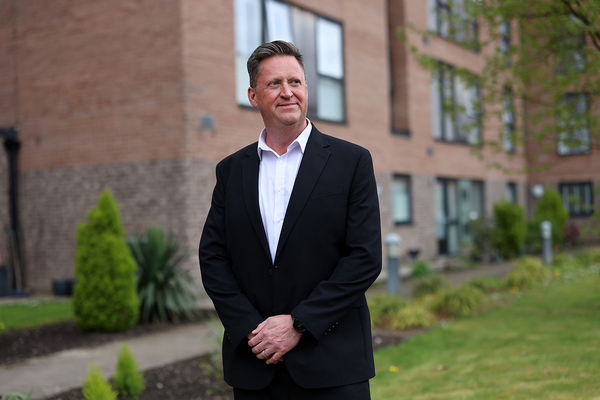
In spring 2020, at the height of the first coronavirus lockdown, John Masson was beginning to worry about his neighbours. A tenant of Craigdale Housing Association in Castlemilk, south Glasgow, for more than a decade, Mr Masson recognised first-hand the risk of isolation and poor mental health that came with staying at home all the time.
“I’ve been there myself, totally depressed and at rock bottom,” he recalls. “When I didn’t want to be here any more, it was photography that saved my life – getting out and doing something I loved. I started wondering if it could help someone else, too.”
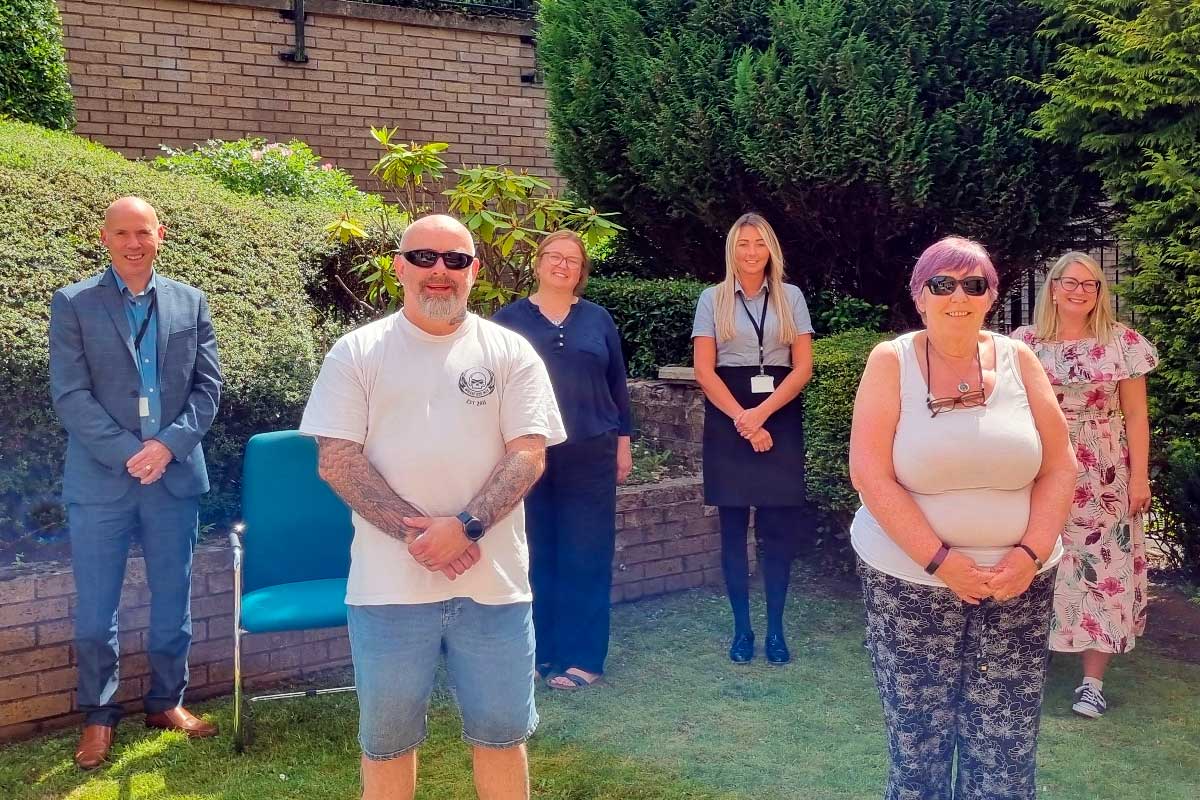
Now, Mr Masson is one of two Craigdale tenants who are seeing ideas they conceived of during lockdown come to fruition following an innovative partnership between the housing association and Scottish social enterprise The Lens. A camera club spearheaded by Mr Masson is almost up and running, while plans for community allotments put forward by fellow tenant Pat Main are also in motion.
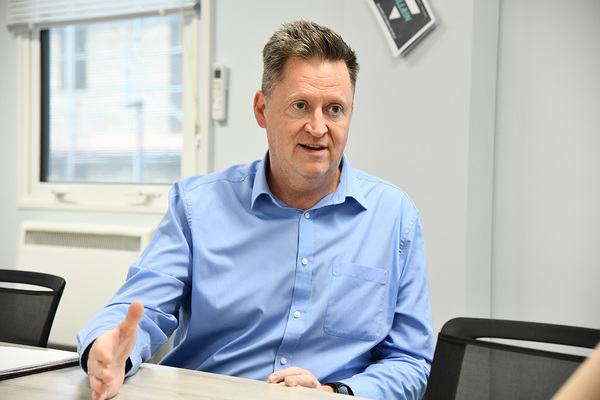
“The Lens is a way to harness the creativity of people in organisations, and especially those closest to customers or those we serve,” says Steve McCreadie, who founded The Lens in 2015 and serves as chief executive. The Lens usually works with an organisation’s staff to encourage ‘intrapreneurship’ – entrepreneurial thinking inside of large organisations – through a programme of training and development, culminating in the pitching of ideas for funding.
Read more

 Why our zero-carbon hub could be a model of the future for social landlords’ staff and tenants alike
Prior to the partnership with Craigdale, the programme had been run successfully with housing providers including Loretto Care and Wheatley Group, but never directly with tenants themselves.
For David MacKenzie, who was at the time chief executive at Craigdale, tailoring such a programme towards tenants served multiple purposes: tackling the isolation and disconnection threatened by lockdowns, while also unlocking genuine innovations for the association from the people who know about it best.
“Beyond anything else, I had confidence we did have tenants with good ideas about their area,” says Mr MacKenzie. “As a registered social landlord and a tenant-led organisation, it was about how we could harness those ideas and see them become a reality.”
With lockdown still in full swing, a series of workshops that would usually be carried out in-person instead took place over Zoom. Employees at Craigdale were trained to facilitate sessions themselves. Tenants were supported through the workshops to test and develop their ideas, thinking through issues of sustainability and scalability, as well as honing their storytelling skills to successfully communicate the value of their ideas at the final pitching stage.
“They probably just thought of us as residents, but now we’re doing this work for them and with them, and it’s made me see the housing association in a different light”
“We have a really good proven track record of helping find incredible innovations that improve lives, can generate income and savings, and are rooted in the insights and knowledge of frontline staff,” says Mr McCreadie. “The challenge here was to instead help staff understand our methodology and work with them to help design their own version that worked in their context and was appropriate to their tenants.”
The introduction of a new initiative at a time of stress and anxiety was initially met with some trepidation, but tenants and staff alike were quickly won over by the process and its potential for meaningful change within the housing association.
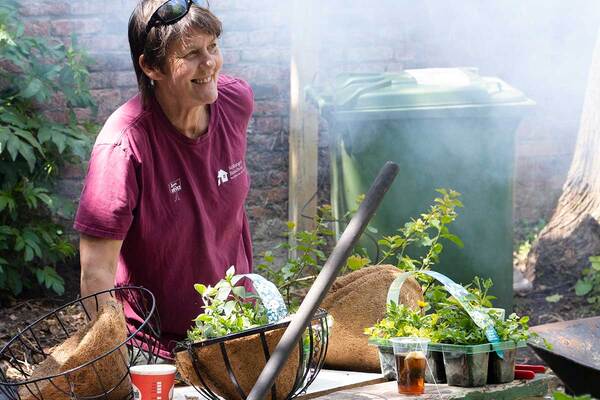
“I was apprehensive at first,” says Ms Main, a resident of more than 20 years. She came up with her winning idea, for community allotments, after finding comfort in her own garden during lockdown and thinking of those in flats without access to green space. “But when the workshops started, I felt very comfortable. Everybody was really positive and encouraging and it was nice to interact with people in a different way.”
“I knew the Craigdale staff well as a tenant before, but now I see them differently,” agrees Mr Masson. “I got to know what they’re all about and vice versa. We probably just thought of them as people who collect our rent and fix our houses, and they probably just thought of us as residents, but now we’re doing this work for them and with them, and it’s made me see the housing association in a different light.” Since his successful pitch, Mr Masson says, he has also been commissioned by Craigdale to take photographs of its properties for marketing purposes.
And beyond the impacts on tenants, former chief executive Mr MacKenzie emphasises the benefits for staff involved in delivering the programme. “Their confidence levels increased dramatically through this programme,” he says. “They came out feeling like they could really engage with tenants and truly help them.”
Expanding and scaling
Having participated in the development sessions over a number of months, Mr Masson and Ms Main were ultimately invited to pitch their ideas to the Craigdale board, making both the business and human case for their innovations. Both ideas received funding.
Mr Masson’s camera club is now enlisting interested tenants, with plans to host an initial training meeting before the end of the year. Ms Main’s community allotment project is also registering interest from residents, and the infrastructure for a community garden has been embedded into new Craigdale developments taking shape elsewhere in Castlemilk.
While Mr MacKenzie and Mr McCreadie initially hoped to fund more than two ideas, they believe that the learning from this debut programme has been invaluable. “With something so innovative, it’s worth starting small and building momentum,” says Mr McCreadie. “To change the relationship from a transactional tenant-and-landlord one to one where you’re asking how you can develop people and their ideas, and make their lives better in their community, that’s a significant shift, and that change in relationship is what we wanted to develop.”
Running the programme entirely virtually also presented its challenges, with many tenants facing barriers of connectivity and caring responsibilities, let alone having the confidence required to put themselves forward for an intensive process. In this instance, potential participants were identified and encouraged to apply by housing association staff.
But Mr MacKenzie is hopeful that having watched the process take shape last year, it will inspire others to come forward in future, both at Craigdale and in the wider housing sector. “For me the bigger picture is, if we can do this at Craigdale, how big is the scale in this?” Mr MacKenzie asks.
Housing associations, he points out, occupy a unique position of trust and connection with their tenants, which can be built on to harness creativity. And the return is impressive, with the tenants and staff involved gaining confidence and autonomy while their ideas benefit residents more widely. “We might work here, but nobody knows more about solutions than the people who actually live here,” Mr MacKenzie points out.
Mr McCreadie agrees that the potential for ‘intrapreneurship’ within housing associations is huge, and something The Lens will actively pursue. He aims to quickly partner with at least two other housing associations across the UK to deliver similar initiatives in the coming year.
“It’s just a wee silly idea you have in your head and you don’t think anything’s ever going to happen, but then suddenly that’s it, the money’s there and people are going to benefit. There’ll be people who get a lot of pleasure out of it”
Meanwhile, Mr MacKenzie has recently moved on from Craigdale to take up a position as chief executive of 10,000-home Link Group. “But don’t think for a second I won’t be taking this idea with me there,” he says. And to any other housing associations considering a similar approach, Mr MacKenzie suggests contacting Craigdale and speaking directly to the tenants involved about their experiences and the effect the process has had on them.
“I feel really proud of myself for being part of it,” says Ms Main. “It’s just a wee silly idea you have in your head and you don’t think anything’s ever going to happen, but then suddenly that’s it, the money’s there and people are going to benefit. There’ll be people who get a lot of pleasure out of it.”
Mr Masson agrees. “It’s astonishing to think that you can actually come up with an idea, work through a process, pitch it and then get the go-ahead from the board that you’re going to receive funding and maybe change somebody’s life,” he says. “Some people don’t leave the house and don’t have any hobbies, but this [camera club] will get folk out and moving about.
“To see the idea through and get the funding, to do something for somebody else having come from where I’ve come from? That’s massive for me.”
Sign up for our Week in Housing newsletter

Already have an account? Click here to manage your newsletters
Related stories