You are viewing 1 of your 1 free articles
New build design guidance published by the government today places focus on quality and places that are resilient to climate change.

The wider proposals aim to set a clear benchmark for well-designed neighbourhoods, and ensure new developments are well-connected to local shops and services.
Aimed at shaping how the next generation of neighbourhoods are built, the guidance sets out how new homes should reflect modern life, from space for remote working to flexible layouts that can adapt as families grow and cater for every stage of life.
The changes to the guidance were first announced as part of a second overhaul of the National Planning Policy Framework (NPPF), just a year after the government finalised a version of the framework that restored mandatory housing targets and set out a definition of ‘grey belt’ land.
You can read six things we learned about the latest NPPF changes here.
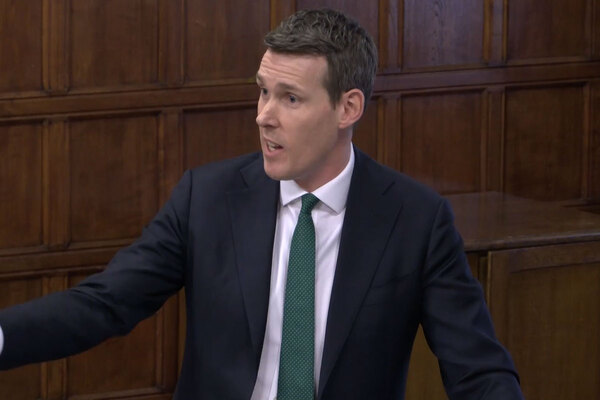
Matthew Pennycook, housing and planning minister, said: “Exemplary development should be the norm, not the exception, so that more communities feel the benefits of new development and welcome it.
“As we act to boost housing supply, we are also taking steps to improve the design and quality of the homes and neighbourhoods being built.
“These standards will help ensure new homes and neighbourhoods are attractive, well connected, sustainable and built to last”.
The guidance also encourages stakeholders to support local jobs and amenities by design, ensuring local shops and services like GP surgeries are within walking distance.
To help smaller developers bring forward much-needed homes and to set realistic expectations on larger developments, the government is intending to create model design codes – set to be launched later this year – with clear rules to create successful places.
Local authorities are expected to set the vision for their areas through local plans, ensuring clear design expectations using masterplans, local design codes and guides.
Joe Stenson, head of urban design at Barratt Redrow, said: “We know that strong, thoughtful design is essential to creating great places to live over the long term.
“We therefore support the ambition of government’s proposed update to national design guidance, putting people at the heart of placemaking and creating a consistent approach that will help to speed up local decision-making.”
The government has set out seven key features of well-designed places. These are liveability, climate, nature, movement, build form, public space and identity.
Alongside designing buildings that cope with climate change, the plans aim to create well-located spaces that encourage social interaction, green spaces to reduce overheating and rooms sized to promote health and well-being.
Chris Williamson, president at RIBA, said: “Today’s updates to national design guidance should have a positive impact on our future homes and neighbourhoods.
“It’s encouraging to see the guidance taking a holistic approach to good design, emphasising the importance of accessible amenities and green, high-quality spaces, while acknowledging the vital role of local context and culture.
“The unique skills of architects will be crucial in bringing this guidance to life. We look forward to continuing to work alongside the government and sector to shape places that truly meet people’s needs.”
Sign up to Inside Housing’s weekly Sustainability newsletter, featuring our in-depth coverage of the sector’s journey to delivering net zero.
Click here to register and receive the Sustainability newsletter straight to your inbox.
And subscribe to Inside Housing by clicking here.
Already have an account? Click here to manage your newsletters.
Related stories