You are viewing 1 of your 1 free articles
Bankrupt council hit with six findings of severe maladministration
The Housing Ombudsman has made six findings of severe maladministration for Birmingham City Council for how it handled leaks, damp and mould, as well as its complaint-handling.


 Ombudsman makes six findings of severe maladministration for struggling council #UKhousing
 One case identified by the ombudsman involved a resident’s disabled mother being left in damp and mould and another tenant’s room being left “uninhabitable”. The council was also criticised for its complaint-handling.
It comes as Birmingham, which effectively declared itself bankrupt in September after issuing two Section 114 notices, is making millions of pounds’ worth of cuts to housing.
The investigation follows the watchdog’s special investigation into Birmingham last year, which found that “weakness in policies, repeated failings and common points of service failure” had led to a “collapse in trust” with residents.
However, these cases relate to events prior to the report being published.
The ombudsman said the landlord has “responded positively” to its recommendations and is making service improvements.
Read more


In one case, the watchdog found severe maladministration after the council failed to carry out damp and mould works, which the resident said impacted his health and made one room uninhabitable.
Once the report was first lodged, the ‘routine’ repair was completed outside of policy timescale and did not detail what action had taken place, giving no evidence that a proper repair happened.
After the resident told the landlord that one room was uninhabitable, the ombudsman said it should have arranged an “urgent inspection” due to the extent of the mould. Instead it recommended “an anti-fungal solution” be applied.
The ombudsman ordered the council to undertake a full investigation into the damp and mould at the home, pay £1,300 in compensation and apologise to the resident.
In another case, the council left a resident and her vulnerable mother in a home with damp and mould that was described as in a “terrible state”.
Despite the damp and mould being classified as “severe”, the landlord failed to complete a damp survey or instruct a damp specialist in the first instance or when further reports of damp and mould were made a year later.
Although it made some attempts to attend the property, it did not act swiftly enough, the ombudsman said.
The council also incorrectly told the ombudsman that there were no recorded vulnerabilities despite it being made aware of these.
“However, it is acknowledged that the resident’s mother was offered alternative accommodation due to her disabilities,” the watchdog said.
It ordered the council to pay £3,824 in compensation, apologise to the resident in person and conduct a review into this case and how it will improve policy and procedure as a result.
In another case, the ombudsman found severe maladministration for “wholly unreasonable” complaint-handling after flooding impacted a resident’s home and damaged his ceiling.
After a sprinkler-activated flood, which was “traumatic and stressful” for the resident, the council responded well and completed a temporary decant and the repairs contractor made good efforts initially.
But the ombudsman said: “It is regrettable that these efforts were undermined by the landlord’s extremely poor complaint-handling. That the landlord’s complaint-handling failed to even address, never mind resolve, the resident’s primary concerns about his cracked ceiling and would have only added to what was already a distressing episode for him.
“The landlord barely investigated the resident’s complaint at all, and instead relied upon the unverified updates of its contractor, using its informally worded internal emails as the near verbatim basis of its complaint response letters.
“The repairs contractor once again visited the property to carry out an inspection but the landlord sent its complaint response before this, despite still having plenty of time within the code to respond.”
The ombudsman ordered the landlord to apologise to the resident and to arrange an inspection of the resident’s ceiling by a suitably qualified person, address the resident’s structural concerns, and raise appropriate remedial works.
Another case involved the council’s handling of a leak coming from a flat above over three years, where its failure to diagnose and repair the cause of the issue, as well as its lack of communication throughout, “was likely to have caused the resident a significant level of frustration, inconvenience and time and trouble”.
The ombudsman ordered the council’s chief executive to write an apology to the resident, to pay £1,400 in compensation and for it to carry out a survey into the property, assess the works that need doing and then ensure the resident gets a full explanation about what works are needed and what is going to be carried out.
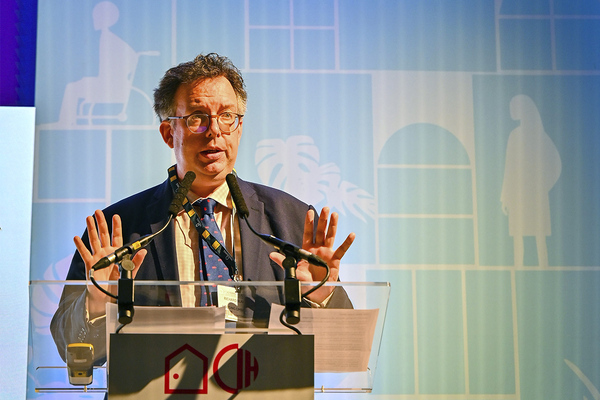
Richard Blakeway, the housing ombudsman, said: “Throughout these cases there were similar points of failure in the landlord’s process, whether inadequate diagnosis of the problem, failing to escalate issues, or delays often caused by missing appointments.
“The lack of communication further undermined residents’ confidence in the landlord’s actions.”
However, he added that it is “positive to see the progress” that the council has made since the special investigation report.
“It is essential residents experience improvements in housing management and it is encouraging that the landlord is confident that similar outcomes would not be repeated. The complaints the landlord receives in future will reveal the truth,” Mr Blakeway said.
Birmingham City Council’s full statement is included below.
Birmingham City Council statement
“The council fully accepts the findings of the Housing Ombudsman in these cases and has apologised to the residents for the failures identified and complied with the orders and recommendations made.
“We are pleased that the Housing Ombudsman has identified instances where the council has acted in accordance with its published policies, but we acknowledge that in all cases there were failures that caused unnecessary distress and inconvenience to the residents, and that in some cases our response was unacceptable.
“It is important to note that the issues raised in all these cases occurred prior to the Housing Ombudsman’s special report of January 2023 and, whilst this does not excuse the failings in the cases highlighted, the council has been working in partnership with the Housing Ombudsman since this time to deliver significant improvements in our repairs, record-keeping and complaint-handling performance.
“We accept that no tenant should have to make repeated requests for repairs, or need to complain before an issue is appropriately investigated and responded to.
“Where we fail to deliver the service tenants expect of us, we should be able to put things right first time and offer appropriate redress to recognise where we have let our tenants down.
“Since the Housing Ombudsman’s special report, we have implemented a new complaints policy and compensation policy, ensuring that we are acting in accordance with the complaint-handling code and offering timely and appropriate redress to remedy failures.
“We have taken significant steps to improve the way in which repairs are prioritised and the way we monitor repairs from beginning to end to ensure we are delivering what we promise and that residents are satisfied with the outcome.
“We have implemented systemic changes across our service to ensure that our records are accurate, timely and accessible to all officers.
“We apologise again to the residents involved for our poor performance in the cases highlighted by the Housing Ombudsman but welcome the opportunity provided to review and revise the way we work in.”
Sign up for our Council Focus newsletter

Already have an account? Click here to manage your newsletters
Related stories