You are viewing 1 of your 1 free articles
BSR reforms should speed up processes, but concern remains around structure and focus
Changes to the Building Safety Regulator (BSR) have received a mixed response, as concern remains about its structure and focus, even though the new fast-track process should speed up applications.


 Changes to the Building Safety Regulator have received a mixed response, as concern remains about its structure and focus, even though the new fast-track process should speed up applications #UKhousing
Reforms to the BSR announced at the start of this week include a new fast-track process, changes to leadership and fresh investment.
The fast-track process will bring building inspector and engineer capacity directly into the BSR to enhance the processing and review of existing new-build cases and remediation decisions.
The government hopes this will address concerns in the sector around delays, while keeping building and residents’ safety at the core of the process.
Read more
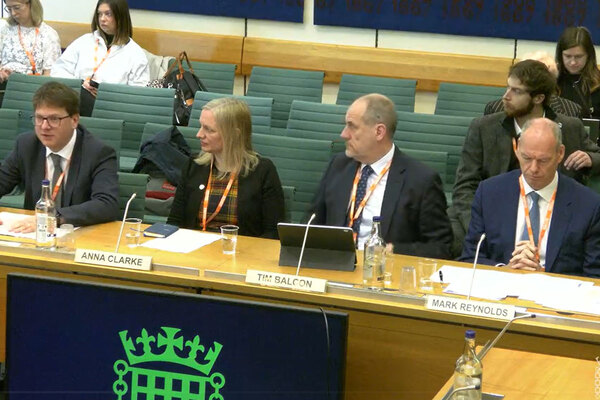
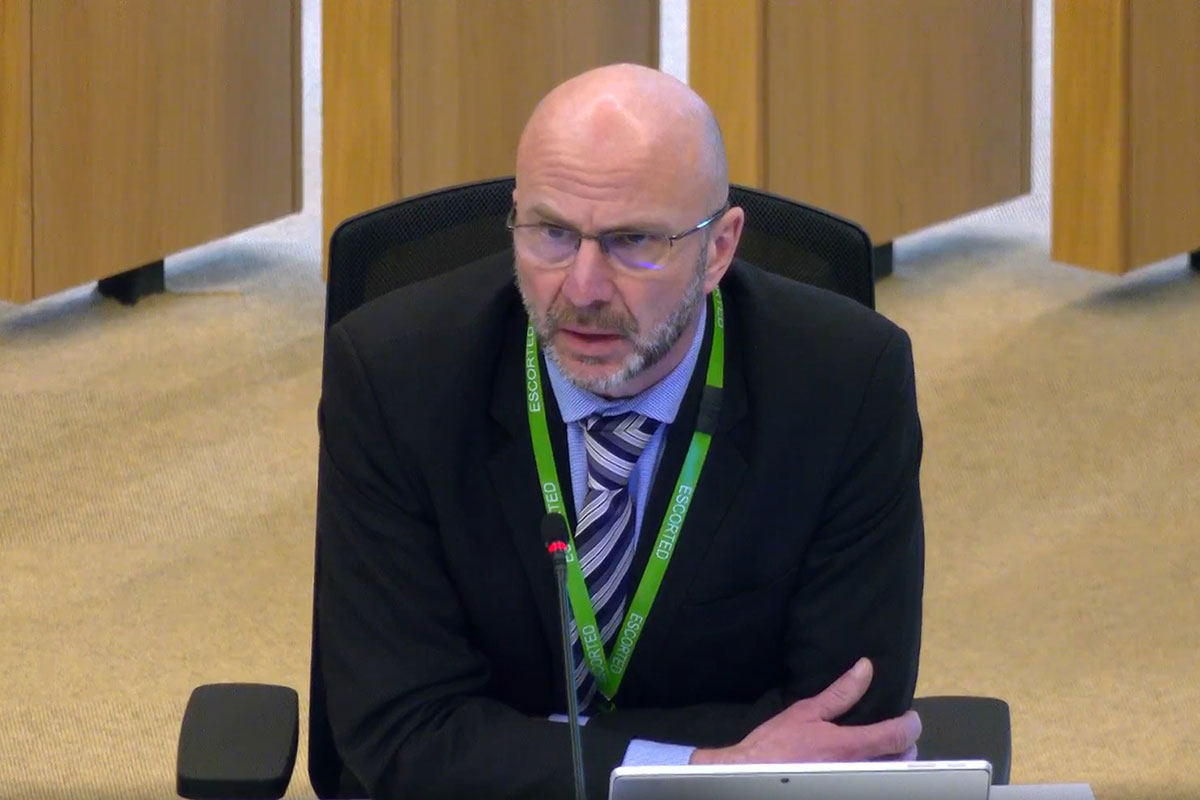

Michael Wharfe, a partner at law firm Devonshires, said: “A boost to the BSR’s in-house capabilities is a welcomed addition; there is an abundance of critical and urgent works that building owners are looking to carry out.
“This, along with the future guidance on application quality, should work towards shortening the current significant application processing time for new builds and remediation projects, and improve the substance of submitted applications.
“However, this is unlikely to be a silver bullet to all the current Gateway [key stages of the building-control process] issues. There remains an industry-wide shortage of skilled professionals that will likely continue to logjam the system. As always, we will wait to see how it operates in practice,” Mr Wharfe added.
The wider aim of the plans for the BSR is to support new-homes delivery and establish a single construction regulator – a key recommendation of the Grenfell Tower Inquiry.
Andy Roe, former commissioner of the London Fire Brigade (LFB), was appointed as non-executive chair of a new board of the Ministry of Housing, Communities and Local Government (MHCLG), which will take on the functions of the BSR to begin creating the new construction regulator.
Mr Roe will be supported by a new chief executive of the BSR, Charlie Pugsley. This new organisational structure hopes to build “on the strong foundation” created by the Health and Safety Executive (HSE) in establishing the BSR.
A spokesperson for the End Our Cladding Scandal (EOCS) campaign said: “This is an interesting, if strangely timed, move. The creation of the BSR within the HSE always seemed odd, given the HSE specialised in workplace rather than residential safety, and we have all seen the multitude of difficulties with the BSR’s implementation of the new regime – both in the approach to regulating existing buildings and a lack of transparency for delays at Gateway 2.
“But, to be clear, these issues are not solely attributable to the BSR, as the previous government rushed through the legislation that the BSR operationalised, failed to ensure there was much-needed guidance from inception, and with too many developers still unable to explain how their plans will meet safety requirements.
“With fire functions now under MHCLG and the Grenfell Tower Inquiry Phase 2 report recommendations to be phased in over the coming years, there is sense in bringing the BSR into government as an executive agency.”
EOCS said it believed the government’s 1.5 million home target was at the forefront of its thinking, because of Mr Roe’s statement on enabling new homes, and the lack of progress on ending the building safety crisis in the past 12 months.
Mr Roe said on Monday: “It is also clear that the BSR processes need to continue to evolve and improve, to ensure that it plays its part in enabling the homes this country desperately needs to be built.
“I look forward to working with colleagues both in industry and the BSR to tackle the current issues and delays head-on and help get those homes built safely.”
EOCS added: “When responding to the phase 2 report, Angela Rayner [the housing secretary] said, ‘The government and regulators failed to protect people’ and ‘Anyone who lives in an unsafe home is one person too many’. As the talk of growth, deregulation and cutting red tape increases, Labour must not forget it came to power as a government of service to working people. We are still waiting to see Labour back ordinary people, not the builders.”
Matt Hodges-Long, founder of the Building Safety Register platform, said: “My concern with the new MHCLG structure announced is that the root causes of the BSR failure are not addressed.”
He was also concerned about the new leadership. This is because of his experience with the LFB: “their lack of process, poor adoption of technology, inability to communicate effectively with the public and spotty approach to enforcement”.
A report earlier this year into the LFB found that a professional unit set up to deal with misconduct has not been able to handle the volume of complaints it has received and “lacks independence”.
Mr Hodges-Long added: “Policymakers and the Ministry of Housing, Communities and Local Government comms team have made it abundantly clear that the BSR management changes are all about building 1.5 million new homes.
“The millions of residents that already live in (potentially unsafe) homes and are supposedly at the heart of the regime are a mere footnote at the bottom of the release.”
Gerry Sharpe, chief executive of the Association of Construction Quality Professionals trade body, said: “This is not the bold reform we need, it is a reshuffle. Grenfell demanded a complete rethink of how building safety is governed.
“Instead, we see a continuation of fragmented leadership under departments that have already been linked to regulatory failure. This approach does not honour the victims of Grenfell, nor does it deliver the robust safety oversight that the public rightly expects.”
Alex Norris, the minister for building safety, said the reforms were about taking the next steps to “create a system that works for the sector whilst keeping residents and their safety at the heart of the process”.
Sign up for our fire safety newsletter

Already have an account? Click here to manage your newsletters
Related stories