



Disability campaigners ‘outraged’ by reappointment of firm to write guidance on evacuations
A Home Office minister has promised to “look into” the award of a contract for new fire safety guidance to the same firm that wrote pre-Grenfell guides, after disability campaigners expressed “shock and outrage” at the appointment.


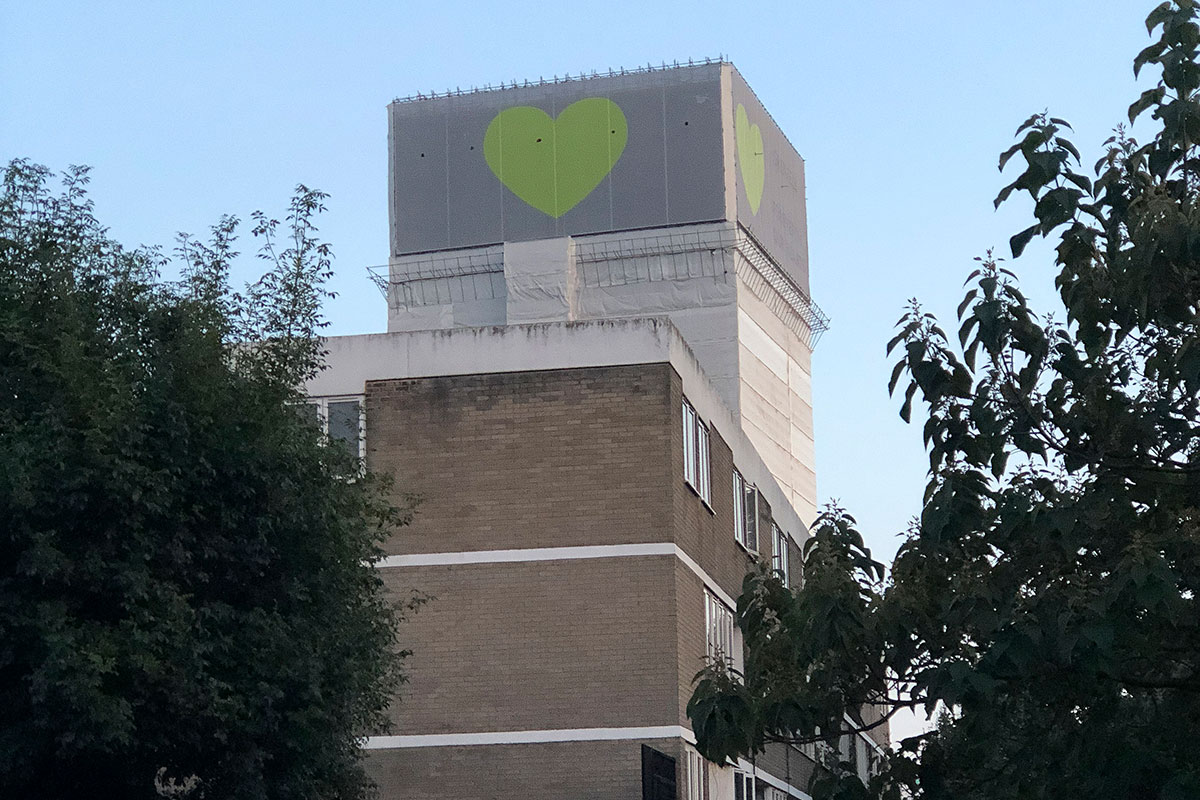 A Home Office minister has promised to “look into” the award of a contract for new fire safety guidance to the same firm that wrote pre-Grenfell guides, after disability campaigners expressed “shock and outrage” at the appointment #UKhousing
CS Todd & Associates were this week announced as the successful bidder for a public contract to prepare several new documents and revisions of prior guides, including an update to guidance on the means of escape for disabled people.
The firm also wrote pre-Grenfell guidance which said it was “usually unrealistic” to expect the owners of high-rise buildings to provide evacuation plans for disabled residents.
In a statement, a spokesperson for campaigners Cladding Disability Action Group (Claddag) said the firm’s reappointment left her “sick to her stomach”, with the organisation claiming that its previous guidance had “legitimised a discriminatory approach to disabled people”.
Read more


When Claddag criticised the appointment on Twitter on Monday, building safety minister Lord Greenhalgh promised to “look into” the award.
I will look into this @ukhomeoffice contract award today.
— Stephen Greenhalgh #GetBoostedNow (@team_greenhalgh)I will look into this @ukhomeoffice contract award today.
— Stephen Greenhalgh #GetBoostedNow (@team_greenhalgh) January 24, 2022
However, in a statement to Inside Housing yesterday, he defended it – saying CS Todd has “significant technical experience in complex fire safety matters”.
The issue of the provision of personal emergency evacuation plans (PEEPs) to disabled residents in high-rise buildings has been a major point of controversy at the Grenfell Tower Inquiry.
None of the residents of Grenfell Tower were given PEEPS, with lawyers for bereaved and survivors describing the blaze as a “landmark act of discrimination” against disabled people.
It is believed that 41% of the victims had a disability that may have hindered their ability to escape.
Building manager the Kensington and Chelsea Tenant Management Organisation (KCTMO) has admitted not taking steps to identify these residents or plan for their escape.
Its witnesses have said this was in accordance with CS Todd & Associates’ guidance, first published in 2011, with the endorsement of the government.
The guide, published in the aftermath of the Lakanal House fire, said it was “usually unrealistic to expect landlords… to have in place special arrangements” to evacuate those with disabilities.
But this contradicted other guidance documents in force at the time, which required building owners to ensure all residents could evacuate in an emergency without the assistance of firefighters.
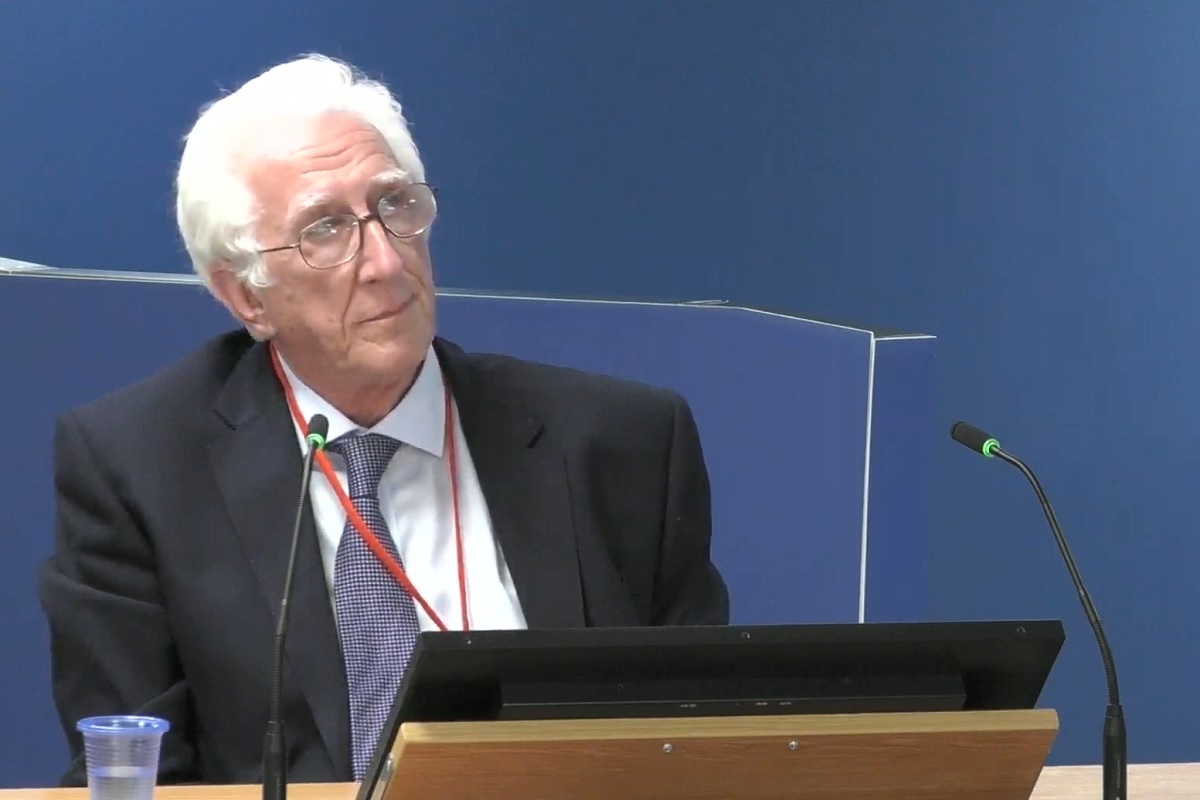
Colin Todd, director of CS Todd & Associates and an expert witness to the inquiry, defended the guide when he gave evidence last summer. He said it was a matter of “reasonable practicability” and that reliance on stay put was “favourable” to disabled residents, providing the building was properly maintained.
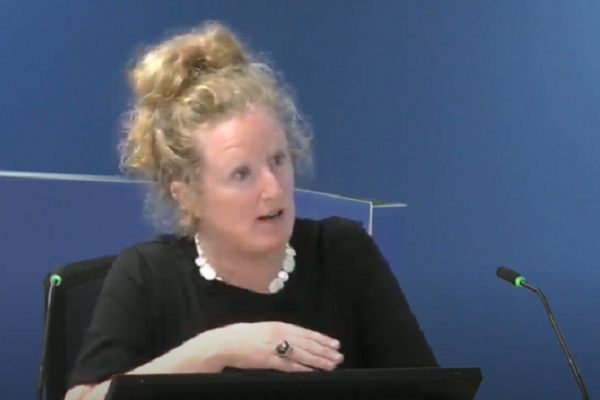
His evidence was contradicted by another expert, Dr Barbara Lane, who described the failure to identify vulnerable residents at Grenfell Tower as “not acceptable”.
The inquiry’s first phase report recommended the provision of PEEPs to all residents of high-rise buildings on the strength of the recommendation of several expert witnesses, with only Mr Todd advising against it.
Despite promising to execute the suggestions in full, the government initially sought to water down the implementation of this recommendation following pressure from industry lobbyists, before opening a new consultation under the threat of judicial review from survivors’ lawyers.
Mr Todd also helped write a new British Standard, published last year, which said it was “not normally practicable” for fire risk assessments to identify people with disabilities or for landlords to make provision for their evacuation in a fire.
This was withdrawn by the BSI after a further threat of judicial review and the Home Office agreed to redact the original 2011 guidance after lawyers sought a review on this point as well.
Commenting on the appointment of CS Todd & Associates, Sarah Rennie, a wheelchair user who lives in a block with dangerous cladding, said: “I feel sick to my stomach that the authors of the [2011] guidance are being commissioned by the government to further influence policy on the lives of disabled people.”
She explained that she had lived in a Birmingham block for 10 years and had always been advised to ‘stay put’ in the event of a fire. It was only after Grenfell that dangerous cladding was discovered on the calls.
In a statement, Lord Greenhalgh said: “Keeping the public safe is our top priority and we are determined to ensure the tragedy of Grenfell Tower does not happen again.
“CS Todd & Associates has significant technical experience in complex fire safety matters and is appointed to provide guidance relating to fire safety.
“The company was the successful applicant for the contract after an open and fair procurement process. There is strong governance in place, which is kept under regular review, to oversee the direction and detail of the guidance before it’s published.”
CS Todd & Associates did not respond to requests for comment.
Sign up for Inside Housing’s weekly Grenfell Inquiry newsletter

Each week our sister publication Inside Housing sends out a newsletter rounding up the key news from the Grenfell Inquiry, along with exclusive analysis of what it all means for the social housing sector.
Already have an account? Click here to manage your newsletters
Related stories