Platform Housing Group reveals significant half-year increase in new and existing homes spend
Platform Housing Group has published its half-year financial report, announcing a significant increase in the number of new homes as well as spending on existing homes.


 Platform Housing Group has published its half-year financial report, announcing a significant increase in the number of new homes as well as spending on existing homes
The number of new homes completed increased from 622 to 720 in the year to September, an increase of 15.6%, while investment rose from £154.6m to £189.6m, a 22.6% increase.
Investment in existing homes also increased significantly, rising from £25.4m to £35.1m, an increase of 38.1%.
Of the 720 homes completed during the six-month period, 110 were for social rent, 256 for affordable rent, 48 were Rent to Buy properties and 306 were shared ownership homes. For the comparable period in May last year, Inside Housing reported that completions by the housing association were up by a third.
Platform reported a development pipeline of 5,492 homes, of which 3,328 were committed.
Read more
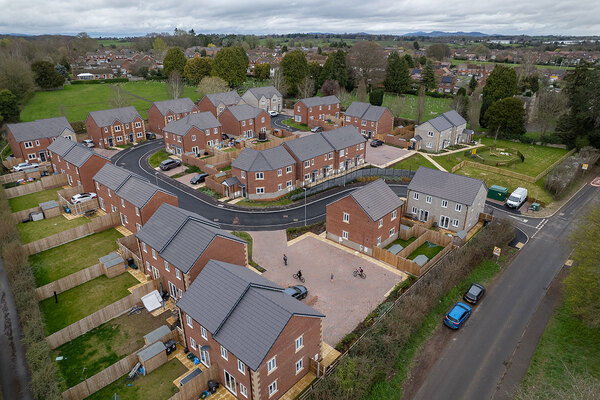

Platform also secured a £350m allocation from the government’s Social and Affordable Homes Programme for the period 2026-36, which is expected to support the delivery of 2,800 new affordable homes. However, the increased investment comes alongside a deterioration in the group’s financial position, with rising borrowing costs and a fall in its operating surplus.
Turnover increased by 5.6%, from £188.7m to £199.3m, but operating surplus fell by 9.9%, from £46.6m to £42m. The housing association attributed the decline to increased expenditure on repairs and maintenance, customer services, major repairs and preparations for new regulatory requirements.
Our sister publication Social Housing reported that the increase in spending on existing housing was due to preparations for Awaab’s Law Phase 2, which sets timeframes for social housing providers to fix seven hazards in addition to damp and mould.
Net debt increased from £1.589bn in September 2025 to £1.872bn in September 2026, while gearing – the proportion of borrowed money – rose from 39.9% to 42.5%.
Platform’s EBITDA MRI (earnings before interest, tax, depreciation and amortisation, major repairs included) interest cover, a measure of its ability to meet interest payments from its operating income after maintenance expenditure, fell to 109%.
Agencies S&P and Fitch both downgraded the landlord’s credit rating from A+ to A, with a negative outlook.
Despite these pressures, Platform reported liquidity of approximately £550m, including cash, short-term investments and undrawn committed facilities. It also said 96% of its drawn debt was at fixed interest rates, reducing its exposure to changes.
The report highlighted progress in improving the energy efficiency of existing homes: 82% of its housing stock now has an Energy Performance Certificate rating of Band C or above. The landlord plans to carry out retrofit improvements to more than 600 properties during the financial year.
Emma Palmer, chief executive of Platform, said: “Having joined Platform at the end of September, I’m delighted to be leading the team as we continue to deliver high-quality homes and invest in our communities while keeping customers at the heart of everything we do.
“In this half-year, our tenant satisfaction measures have improved, the quality of homes has been enhanced, and 720 much-needed new homes have been completed for those who need them most. This has been done with an eye on financial strength and stability, and our medium-term strategy sees us sitting comfortably within the investment-grade space.
“The focus of investment in the half-year was on major repairs and void works, as well as getting ready to support compliance with Awaab’s Law Phase 2, which will go live during quarter three. This investment in existing homes has put some pressure on our operating margins and interest cover. In particular, major repairs has run ahead of schedule for the first half, affecting financial metrics, but will moderate as the year progresses.”
In August, Inside Housing reported that, in its last full annual accounts, there had been a rise in the number of unsold shared ownership homes built by the landlord. The latest financial report showed that shared ownership sales turnover increased by 21% to £19.5m, although the profit margin on these sales fell to 11.5%.
Sign up to Inside Housing’s Development and Finance newsletter
Sign up to Inside Housing’s weekly Development and Finance newsletter, featuring a round-up of business, development and regeneration news and analysis.
Already have an account? Click here to manage your newsletters.
Related stories

9 takeaways from HOMES UK 2026