You are viewing 1 of your 1 free articles
Government advisor developing long-term loans proposal to fund building safety work
An insurance expert brought in by the government to advise on cladding issues is working on a proposal to provide long-term finance to buildings to pay for remediation work, Inside Housing understands.


 An insurance expert brought in by the government to advise on cladding issues is working on a proposal to provide long-term finance to buildings to pay for remediation work, Inside Housing understands #UKhousing
Michael Wade, who holds several non-executive posts at large insurance firms, was appointed as a senior advisor to the Ministry of Housing, Communities and Local Government (MHCLG) in July.
It is understood he has been asked to find a way to progress the remediation of thousands of buildings requiring urgent post-Grenfell fire safety work, much of which is currently stalled.
He is believed to be attempting to arrange a funding mechanism where 30-year finance deals could be arranged with institutional investors at rates of around 1% or 1.5%.
These loan deals would be entered into by buildings – meaning either the owner or the responsible person – which would then recoup the cost of repayments from leaseholders.
A leaseholder campaign group said the government would be guilty of a “dereliction of duty” and a “grave injustice” if it adopted the proposal.
The proposals are set to be discussed at an All Party Parliamentary Group meeting this afternoon - with leasehold charity Leasehold Knowledge Partnership presenting an alternative model where the government creates a special purpose vehicle to fund the works, recouping the funds from levies on developers and taxes on overseas property investors.
Read more

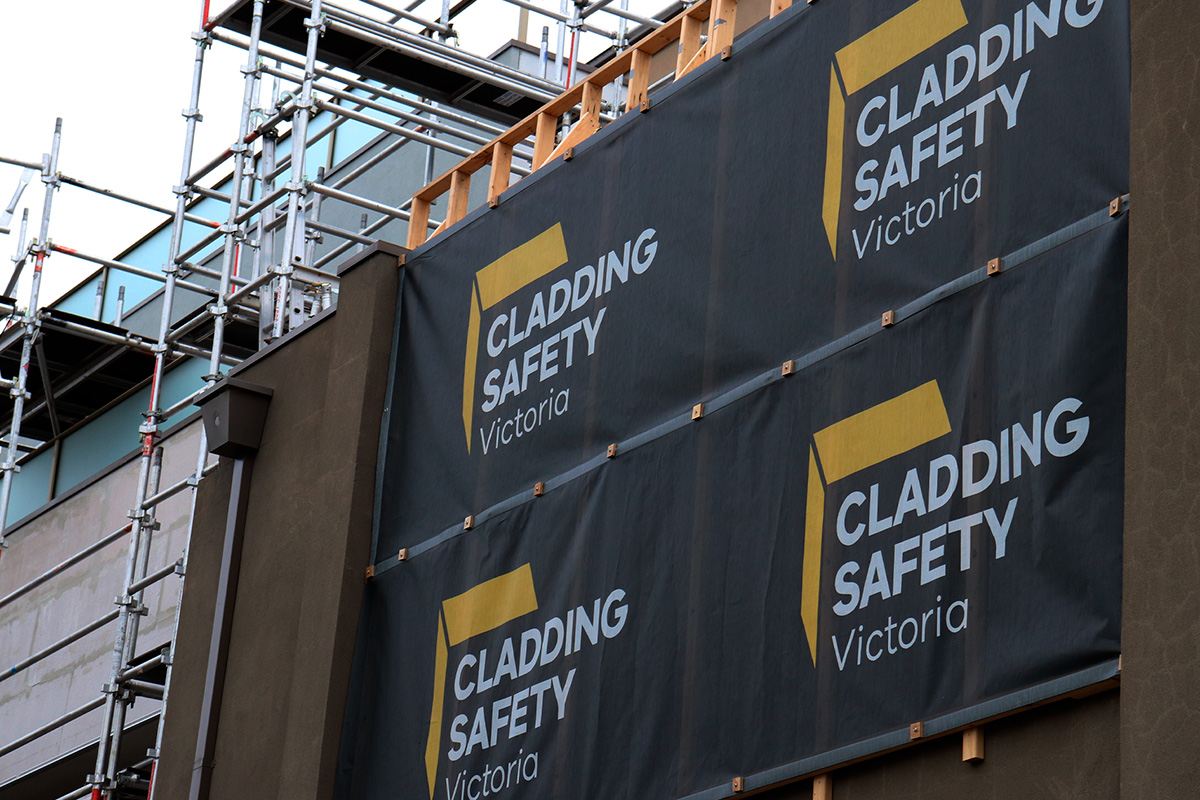

Mr Wade is said to have told stakeholders in recent weeks that private finance is the only solution as the Treasury has made a definitive statement that it will not provide a penny more in additional grants for removal.
It has currently provided £600m for the removal of aluminium composite material cladding, as used on Grenfell Tower, and a further £1bn for other cladding systems. But the overall costs of the crisis are projected to rise above £16bn.
The plans were first reported by The Sunday Times but Inside Housing has confirmed them with sources.
The End Our Cladding Scandal campaign, which Inside Housing helped establish and supports, calls on the government to forward fund cladding works and reclaim it through a developer levy and action against those responsible.
Should Mr Wade’s proposal be adopted, it would be possible to seek additional funds from future parliaments, developers or other entities to reduce the size of the loans.
He is understood to have been working on an assumption that the average bill is around £20,000 per leaseholder, meaning that repayments over a 30-year period could would be around £800 a year.
But many blocks face far higher bills, with some leaseholders on the hook for sums rising above £100,000.
If the senior advisor’s proposals were adopted, it would see the government finally abandon its position that leaseholders should not be required to foot the bill for the cladding crisis.
Only yesterday prime minister Boris Johnson said in response to a question from his own backbenchers: “I do not want to see leaseholders being forced to pay for the remediation, and I can assure my honourable friend that we are looking now urgently – before the expiry of the current arrangements – at what we can do to take them forward and support leaseholders who are in a very unfair position.”
Speaking for the End Our Cladding Scandal campaign, leaseholder Giles Grover said: “Let us be clear: people have got rich out of this failure. Big builders focused on profits over safety and they, and their shareholders, have made vast amounts by selling us defective homes.
“We are blameless consumers who have had our lives ruined through simply following the British dream of homeownership and taking a first step on the property ladder.
“We are already paying unaffordable costs for interim measures, such as the often ineffective waking watch, and soaring insurance costs.
“If the government pushes ahead with its deeply unfair plans to force us, the only innocent parties, to pick up the bill for this crisis, it will send a clear message that it is not on the side of homeowners and is solely on the side of big developers. The industry will know, once again, that it will not be made to pay for its failures.
“It would be a clear dereliction of duty by this government if we are shackled by long-term hefty loans. We will not stop fighting this clear and grave injustice.”
The government has repeatedly called on those who own the blocks to “do the right thing”, but in recent months has seen little progress on this front. Freeholders and housing associations have issued Section 20 notices to leaseholders for the costs in hundreds of buildings around the country.
Successful bidders to the £1bn Building Safety Fund are currently being contacted ahead of the 31 December deadline, but the funds will cover only around 400 of 2,784 private buildings which have registered, plus hundreds in the social housing sector.
They will also only pay for cladding works, with huge sums required to fix other defects.
An MHCLG spokesperson said: “As we have previously said, we are considering a range of options to fund future remediation work and this work is ongoing - no decisions have been taken.
“We continue to work with a range of stakeholders including leaseholders and the finance industry, we will set out further detail in due course."
Sign up for our fire safety newsletter
Already have an account? Click here to manage your newsletters
10 steps to End Our Cladding Scandal
Based on the recommendations of the Housing, Communities and Local Government Select Committee and backed by a range of sector bodies and MPs from across the political spectrum, these are Inside Housing’s 10 steps to End Our Cladding Scandal:
- The government must lead an urgent national effort to remove all dangerous cladding from buildings by June 2022.
- The Building Safety Fund must cover all buildings, regardless of height, and a range of internal and external fire safety defects, not just cladding.
- The government should provide the money up front and then seek to recover it from any responsible parties or via a temporary levy on development.
- Social housing providers must have full and equal access to the fund.
- The government must compel building owners or managers to be honest with residents about fire safety defects.
- The government should cover the cost of interim safety measures.
- The government should act as an insurer of last resort and underwrite insurance where premiums have soared.
- A fairer, faster process is needed to replace the EWS form and funding is necessary to ensure all buildings requiring a form are surveyed within 12 months.
- Mental health support must be offered to affected residents.
- Protecting residents from historic and future costs must be a key commitment of new building safety legislation.
Related stories