‘Leaky homes’ cost poorer families extra £250 a year in wasted energy, LGA warns
Poorly insulated homes are costing poorer families in England an extra £250 a year in energy bills, councils have warned.


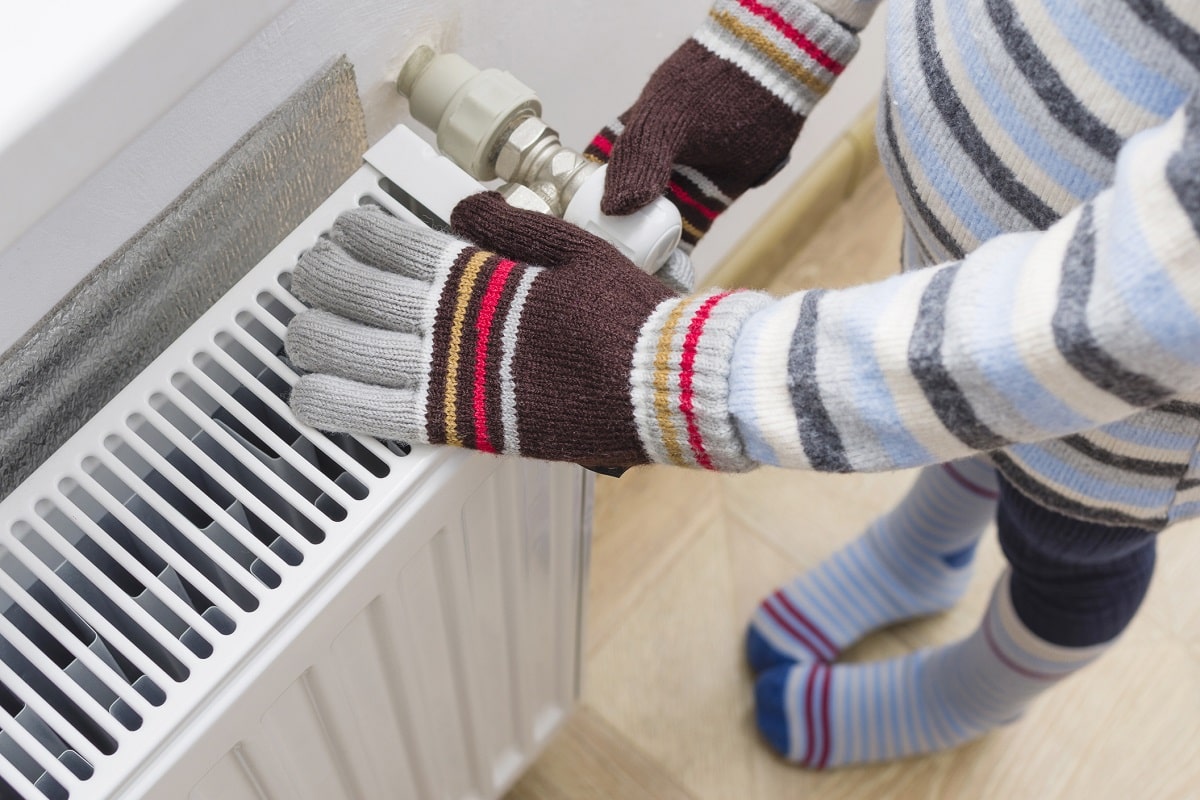 Poorly insulated homes are costing poorer families in England an extra £250 a year in energy bills, councils have warned #UKhousing
According to new research by the Local Government Association (LGA), three million ‘fuel-poor’ households in England are collectively wasting £770m a year as heat leaks through walls, roofs and windows of poorly insulated homes.
The LGA, which represents more than 350 councils across England and Wales, is calling for more investment from ministers to ensure all fuel-poor homes are brought up to have an energy performance certificate (EPC) rating of C by 2030, as per the government’s target.
Despite existing government programmes to improve the energy efficiency of housing, the LGA found that roughly two million fuel-poor homes need additional help to be brought up to this standard.
Read more
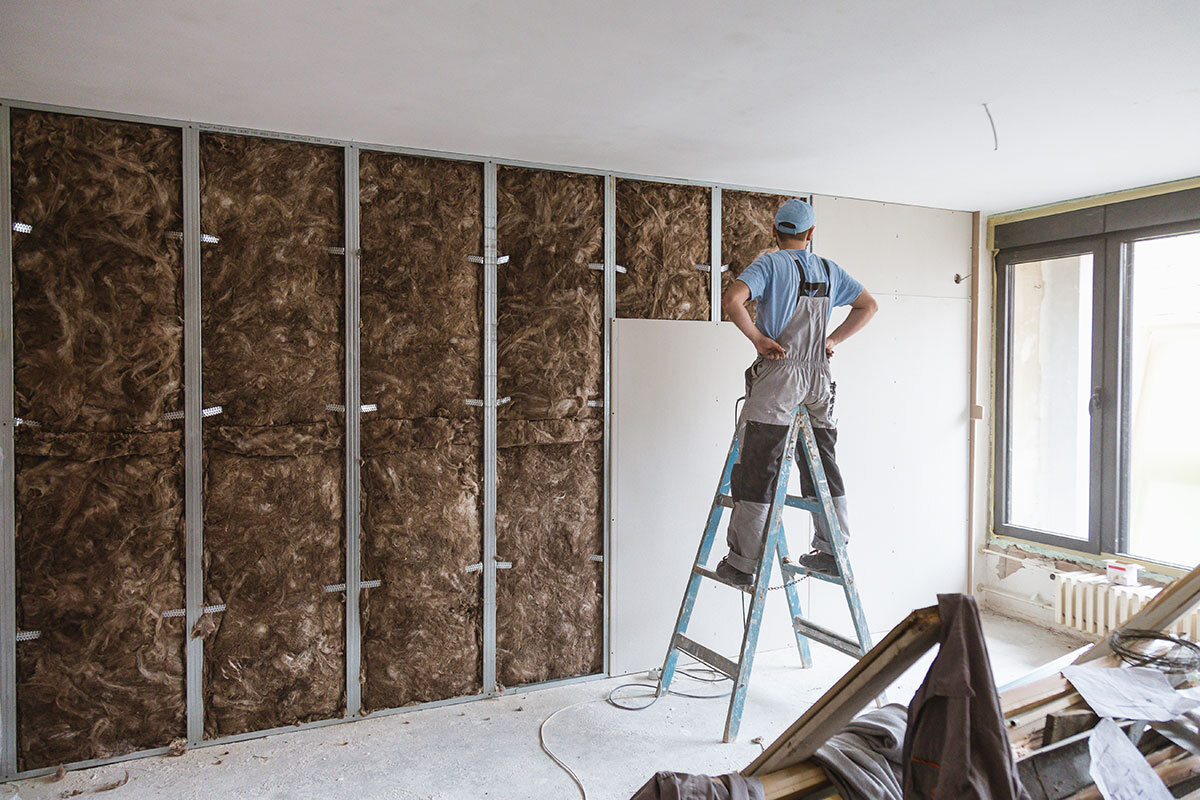
If the 2030 target is met, the LGA said households would save up to £770m a year in energy bills, alongside £500m in NHS spending a year, and 670,000 metric tons of carbon dioxide a year.
The body acknowledged that the government has launched a “significant package” to ease the cost of living crisis over the short term and has expanded the Energy Company Obligation, a government scheme to help reduce carbon emissions and tackle fuel poverty.
However, further measures are also needed to reduce the long-term demand for expensive energy, the LGA said.
David Renard, environment spokesperson for the LGA, said that investment now “will save households further down the line, ease the cost of living crisis and mean families have added security and flexibility within their budgets”.
He added: “Ensuring homes are well insulated also means fewer people are at risk of the health risks associated with living in cold, damp conditions, and this is work we have to do as part of our drive to net zero.
“Councils are keen to help the government deliver on this win-win policy and increase the number of buildings insulated by winter.”
A spokesperson for the Department for Business, Energy and Industrial Strategy said: “Thanks to government support, the number of homes with an energy efficiency rating of C or above is at 46% and rising, up from just 13% in 2010.
“We are investing £6.6bn this parliament to go even further, with planned energy efficiency upgrades delivering savings of £300 a year on average on their energy bills.”
They added that in the short term, government is providing a £37bn package of support to help households “in these challenging times”, including a payment of £400 towards energy bills and £1,200 to around eight million low-income households.
Sign up for our asset management and sustainability newsletter

Already have an account? Click here to manage your newsletters
Sign up to the Tenant and Resident Engagement Conference

Join us at this leading one-day event designed to help landlords and tenants achieve meaningful engagement following the Social Housing White Paper sector reforms, covering culture change, co-production and how to engage tenants on climate change, building safety, disrepair and more.
There is a free tenant place for every delegate pass booked by a landlord.
To view the agenda and book your delegate pass, click here.
Related stories