You are viewing 1 of your 1 free articles
Major house builder signs Scotland’s developer remediation contract
One of the UK’s largest house builders has become the first to sign Scotland’s developer remediation contract, legally committing them to pay for and fix building safety defects.


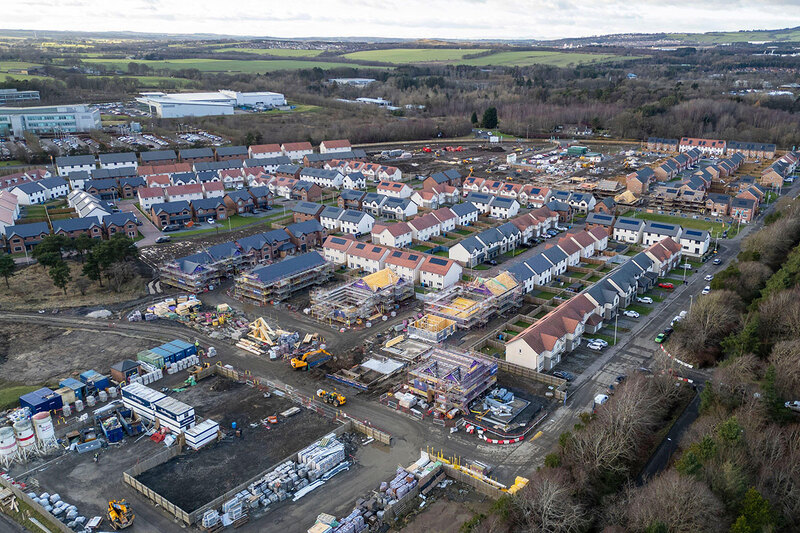 Major house builder signs Scotland’s developer remediation contract #UKhousingA large house builder has become the first to sign Scotland’s developer remediation contract, legally committing them to pay for and fix building safety defects #UKhousing
Persimmon Homes has agreed to assess and fix unsafe cladding on blocks 11 metres high or taller that it has accepted it is responsibility. It must send Scottish ministers a list of buildings that need safety checks in the next 30 days.
The builder is one of nine developers with an average operating profit of more than £10m that were invited to sign the contract by housing secretary Màiri McAllan in October.
Persimmon originally signed a voluntary pledge to fix unsafe cladding – called the developer commitment letter – in 2023.
Read more

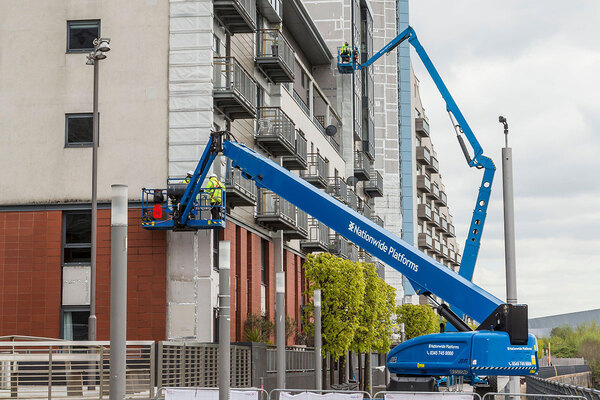

But since November 2024, the developer has been locked in talks with the government over plans for the legally binding agreement.
News that Persimmon has signed also comes nearly two months after the government’s original deadline of 31 October 2025 for developers to sign the contract, as set out in an action plan in August.
Ms McAllan said: “This is a positive step forward in making relevant buildings safer and giving residents confidence in work carried out, and I would like to see the remaining developers follow Persimmon’s lead.
“By signing this contract, developers will give reassurance to the people living in these buildings that essential remediation work will progress at pace.
“Developers who sign the contract will also be required to reimburse taxpayers for funding already spent on remediating buildings they were responsible for.”
John Roocroft, regional chair at Persimmon, said: “Persimmon has consistently taken a proactive, industry-leading approach to building safety, to do the right thing for the residents affected.
“We are pleased to reaffirm this by becoming the first developer to sign the Scottish government’s developer remediation contract.
“We are already making good progress in remediating the buildings requiring works and will continue working constructively with the Scottish government and residents to complete the works as quickly as possible.”
It follows news last month that around a third of bids for public money to investigate suspected cladding problems in buildings in Scotland had been rejected as ineligible. Of the bids that were accepted, almost all were submitted by councils or registered social landlords.
Sign up to Inside Housing’s Scotland newsletter
Sign up to Inside Housing’s Scotland newsletter, a fortnightly round-up of all the key news and insight affecting the Scottish affordable housing sector.
Click here to register and receive the Scotland newsletter straight to your inbox.
And subscribe to Inside Housing by clicking here.
Already have an account? Click here to manage your newsletters.
Related stories