You are viewing 1 of your 1 free articles
Nearly £6bn in Right to Buy discounts given since increase in 2012
Nearly £6bn has been given out in discounts through the Right to Buy (RTB) scheme since the size of the discount was increased in 2012, new analysis by the Local Government Association (LGA) has revealed.


 Nearly £6bn has been given out in discounts through the Right to Buy scheme since the size of the discount was increased in 2012, new analysis by the Local Government Association has revealed #UKhousing
 The research by the LGA, which represents more than 350 councils in England and Wales, found that since 2012 the average discount has increased by 150% to more than £67,000 in 2020-21.
Councils have warned that the scheme is becoming unsustainable, with local authorities struggling to rebuild homes as quickly as they are being sold.
“At a time of an escalating cost of living crisis, we urgently need to build more council homes, not have less,” said David Renard, the LGA’s housing spokesperson.
RTB, which was introduced in 1980, currently enables council tenants to buy their council home at a discount of up to £87,200–£116,200 in London. Local authorities must also return a proportion of the sales to the Treasury.
In a relaunch of the scheme in 2012, the government increased the RTB discount available to £75,000.
In 2011-12, the average discount for a council tenant buying a home under RTB was £26,690, around 27% of the average property value. In 2020-21, the average discount is £67,050, 42% of property value.
Read more
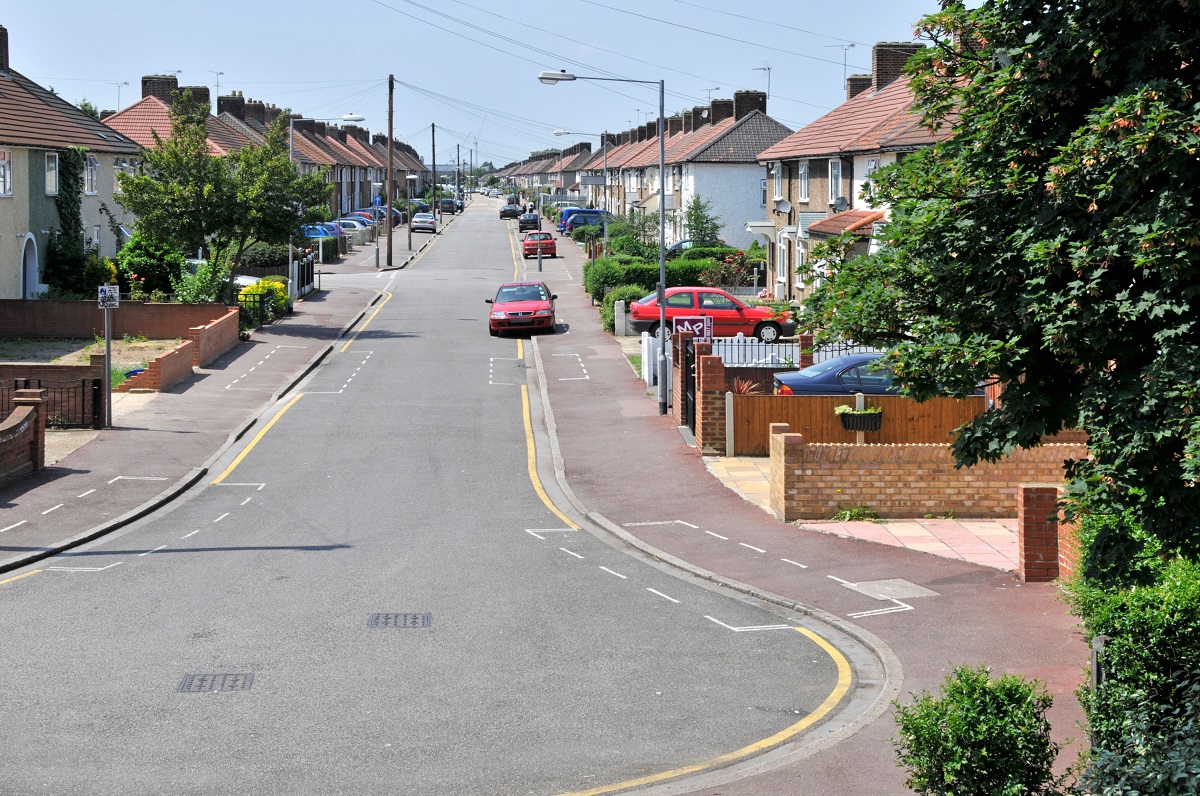
Since 2012, councils have sold 96,126 homes under the scheme and started building 32,901 homes.
Local authorities say the scheme faces an uncertain future unless councils can keep 100% of sales receipts to fund the replacement of homes sold off under RTB.
Mr Renard added: “It is becoming impossible for councils to replace homes as quickly as they’re being sold and they are increasingly having to do so with far less money than the property sells for because of discounts being offered.”
More than 1.9 million homes have been sold under RTB between its launch in 1980 and March 2021.
In 2011-12, 2,613 homes were sold under RTB. In the four years following, sales more than quadrupled to 12,220.
However, transactions have been falling in recent years. The number of council homes sold through RTB in the first quarter of 2019-20 dropped by 39%.
And last November, statistics showed that RTB sales dropped by 35% in 2020-21 to 6,943, the lowest yearly figure in eight years.
The government put the decline largely down to the restrictions introduced during the COVID-19 pandemic.
But Mr Renard said that every home sold that is not replaced “risks pushing more families into the private rented sector, driving up housing benefit spending and rents and exacerbating our homelessness crisis”.
He added: “Right to Buy continues to enable many families to achieve their dream of getting on the housing ladder and owning their own home.
“However, without reform of the scheme, future generations will not enjoy the same opportunity.”
In June, outgoing prime minister Boris Johnson announced an intention to extend RTB to housing associations – something that several Conservative leaders have done in the past but that has never come to fruition.
But experts voiced concerns to Inside Housing about the workability of the policy, including cost, legality and the loss of social housing.
Sign up for our Council Focus newsletter
Already have an account? Click here to manage your newsletters
Related stories