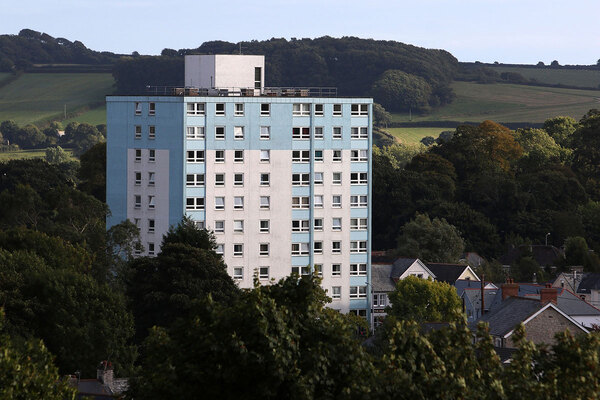
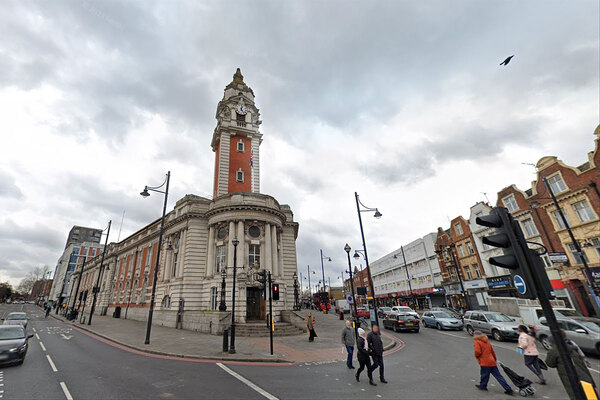
They thought they were safe
These people died in the place they should have been most secure - their own homes. In a bid to stop similar preventable deaths from gas or fire, Inside Housing this week launches its Safe as Houses campaign - and we need your support. Martin Hilditch and Emily Twinch report


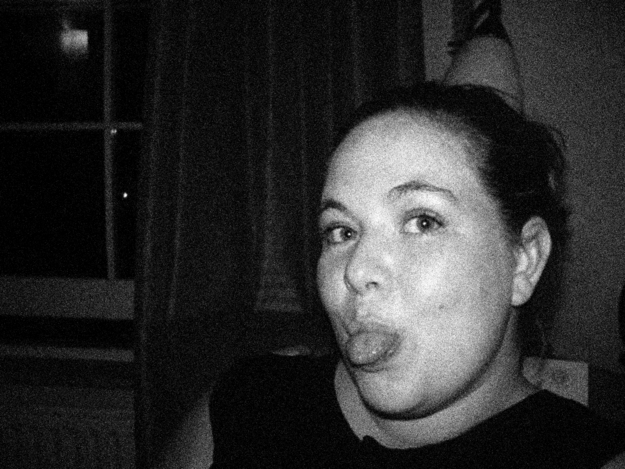
These photographs should give everyone who builds, manages or repairs housing serious pause for thought. The people pictured share a single link: all died tragically in the buildings in which they lived.
Each image represents horrendous loss - of potential, of a future, of someone’s son, daughter, partner or friend. Six of the victims, including three children, died trapped and terrified after fire broke out on the ninth floor of a south London tower block on 3 July this year.
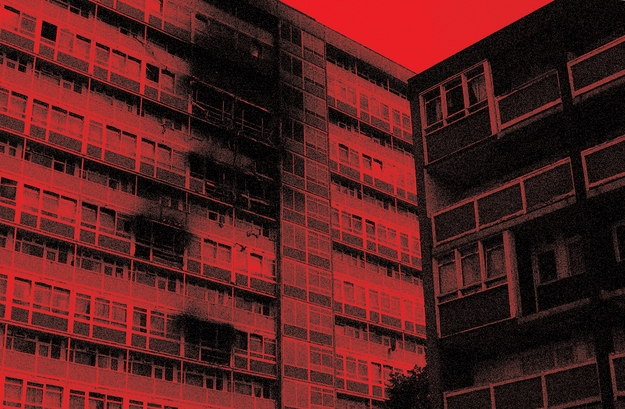
In theory, the Lakanal House victims should have been safe. They were on the 11th floor, two storeys above the source of the blaze. Firefighters arrived onsite within minutes. The block’s 1950s design should have prevented the flames from spreading quickly. In practice, however, the fire moved at a speed ferocious enough to claim the six lives.
In a separate tragedy a year earlier, young dance teacher Elouise Littlewood lost her life and her lodger, Simon Kilby, was left in a permanent coma. Again, both would have believed they were in the safest, most secure environment possible.
Ms Littlewood had moved into her new build flat in Bedfont Lakes, west London, just months previously. All the flats in the block, built by Barratt and co-owned by housing association Notting Hill Housing, had a full set of gas safety certificates. Yet the pair fell victim to a carbon monoxide leak.
Subsequent enquiries led the Health and Safety Executive to issue a national safety warning last October. It warned of a potentially dangerous type of gas flue - known as a concealed flue system - installed in 60,000 British homes.
Investigations into the Camberwell and Bedfont Lakes tragedies are ongoing. But they raise an immediate question that all housing providers should consider: what steps can be taken to prevent similar tragedies happening again? To help answer that question, Inside Housing this week launches its Safe as Houses campaign.
The campaign does not seek to prejudge the outcome of either investigation, but it has three demands that would dramatically reduce the likelihood of future, similar tragedies. They are to change building regulations to require carbon monoxide detectors to be hardwired into new homes with gas appliances; for emergency procedure notices to be put up in every corridor of a high-rise block; and for a national database of all UK tower blocks to be set up (see box, right)
In the coming weeks, Inside Housing will campaign hard for these changes. And we need your help. We won’t stop until 100 social landlords have pledged support by signing our online petition. With that target met, we’ll be paying a visit to building regulations minister Lord BillMcKenzie of Luton, fire minister Shahid Malik and communities secretary John Denham, petition in hand.
Supporting Safe as Houses couldn’t be easier. MP Karen Buck and architect Sam Webb are just two of the high profile supporters already signed up - find out who else backs the campaign and how you can join them overleaf. Together let’s stop these needless deaths.
Our demands
1. Require builders to hardwire carbon monoxide detectors into new homes with gas appliances
This means changing Part J of the building regulations, which relates to combustion appliances and fuel storage systems. It should state that it is compulsory for all new homes to contain carbon monoxide detectors that are hardwired into the building. This would give every resident an immediate warning of danger.
We’re pushing at an open door. The Communities and Local Government department is already consulting on changing Part J, including whether carbon monoxide alarms should be mandatory for use with solid fuel appliances. Consultation ends on 26 November: there is no better time than the present to call for hardwired detectors in new homes.
2. Emergency procedure notices in every corridor of high-rises
This demand aims to ensure that tenants in tower blocks know exactly what to do if fire breaks out. We want emergency procedures posted in clear view in every communal corridor - much the same as in hotels.
3. A national database of all UK tower blocks
The campaign’s final demand is for the Tenant Services Authority to set up a new national database of all UK tower blocks - defined as a building of four or more storeys. It will detail where tower blocks are and who owns them. Landlords should be required to confirm that the fire risk in all blocks has been assessed and when the assessment last happened.
What our supporters say
‘The social housing sector should be leading the way in ensuring tenants and leaseholders’ safety is paramount. Poplar Harca fully supports Inside Housing in its campaign to promote and encourage awareness and responsibility.’
Steve Stride, chief executive, Poplar Harca
“I very strongly back calls to review safety arrangements for the many tenants living in high-rise properties or in properties where there may be a risk of exposure to other hazards such as carbon monoxide. Despite all the gains from the decent homes initiative, we can’t afford to be complacent.”
Karen Buck, Labour MP for Regent’s Park & Kensington North
‘When I first got involved there were about 200 to 300 deaths a year because of carbon monoxide. It is going down but it has got toget better. Any death is unacceptable.’
Harry Rogers, expert witness and campaigner on carbon monoxide
“Guinness is more than happy to back the latest campaign from Inside Housing - it’s good to see our trade press helping us champion the interests of our customers.”
Simon Dow, group chief executive, Guinness Partnership
‘There is a book, Tower Block, which has a list of all blocks of five or more storeys built since 1945 by Glendinning & Muthesius. It’s not exactly rocket science for someone to put this list together in central government.’
Sam Webb, architect who investigated the collapse of the Roman Point tower block in 1968 following an explosion
“I support the campaign. Obviously it will cost but if it saves one life it will be worth it.”
John Lines, cabinet member for housing, Birmingham Council
’We support Inside Housing’s call for a national database of tower blocks and transparency over the fire risk assessment of every block. Clear fire safety information for residents is also a very good idea.’
Notting Hill Housing spokesperson
“We welcome this new campaign, but in the meantime would encourage housing providers to review their own risk and safety procedures to ensure residents’ safety and well-being is not jeopardised.”
Sarah Webb, chief executive, Chartered Institute of Housing
‘The safety of our tenants is paramount. This is a very worthwhile initiative that will put pressure on the government to work with local authorities to make social housing across the country safer and better places to live.’
Philippa Roe, cabinet member for housing, Westminster Council
Facing facts
- The Communities and Local Government department published a study on the provision of carbon monoxide detectors under the building regulations this month. Research found that deaths from carbon monoxide poisoning totalled about 250 a year, with 170 linked to suicide.
- The remaining 80 were accidental, with half of those being attributable to carbon monoxide from a combustion device.
- The Office for National Statistics recorded 251 deaths from the toxic effect of carbon monoxide in
- 2007, down from nearly 500 in 2000.
- Six people died in the Lakanal House tower block fire in Camberwell on 3 July. They were Dayana Francisquini, 26, and her children three-year-old Felipe and six-year-old Thais; Helen Udoaka, 34, and her three-week-old daughter Michelle Udoaka; and Catherine Hickman, 31.
- A government select committee called for local authorities to assess their stock after a fire in a tower block in Ayrshire, Scotland, in 1999. In Southwark Council’s ensuing report it identified Lakanal House, and nearby block Marie Curie, as being at ‘medium risk’ of fire.
How to get involved
- Sign our online petition at www.insidehousing.co.uk/safeashouses to pledge support for all new homes with gas appliances to have carbon monoxide detectors hardwired into the building; for emergency procedure notices to be displayed in tower block corridors; and for a national database of all UK tower blocks to be compiled
- Let us know about any buildings in your area that you think might pose a carbon monoxide or fire risk
- Send us stories and pictures of any homes you think might be a fire or carbon monoxide risk by emailing safeashouses@insidehousing.co.uk


Related stories