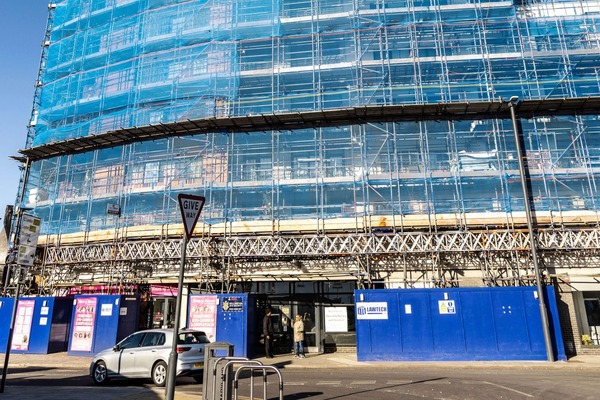
NHBC suspected Kingspan was ‘concealing failed fire tests’ before Grenfell
A senior fire engineer at the UK’s largest building control inspector had “strong suspicions” that large insulation manufacturer Kingspan was “concealing” failed fire test reports, but continued to accept the use of their product on high-rise buildings.


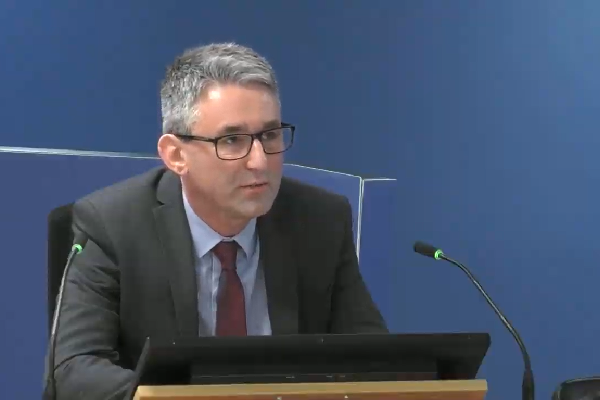 A senior fire engineer at the UK’s largest building control inspector had “strong suspicions” that large insulation manufacturer Kingspan was “concealing” failed fire test reports, but continued to accept the use of their product on high-rise buildings
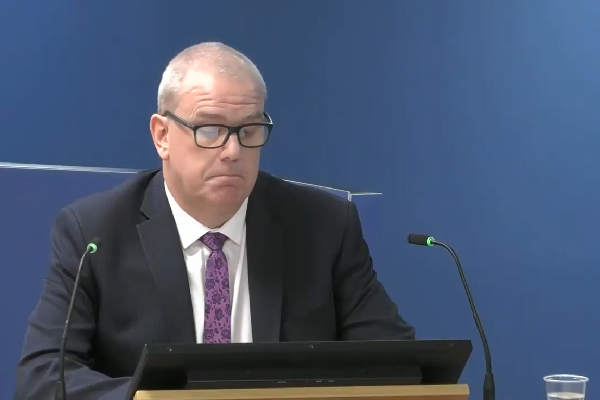
The Grenfell Tower Inquiry today heard a second day of evidence from John Lewis, a fire engineer who worked at the National House Building Council (NHBC), a private provider of building control services and warranties for thousands of construction jobs around the country.
He was asked about emails disclosed late last year in which he described a certificate clearing Kingspan’s K15 product for use on high rises as “garbage” and described the use of combustible cladding materials as “an accident waiting to happen”.
The inquiry was today shown emails which revealed that Mr Lewis had learned of failed tests on cladding systems containing the product, including one which saw “flames coming off the top” of the nine-metre high rig.
But despite these concerns, the NHBC continued to accept the use of Kingspan on high-rise buildings, provided that a ‘desktop study’ report was written by an expert.
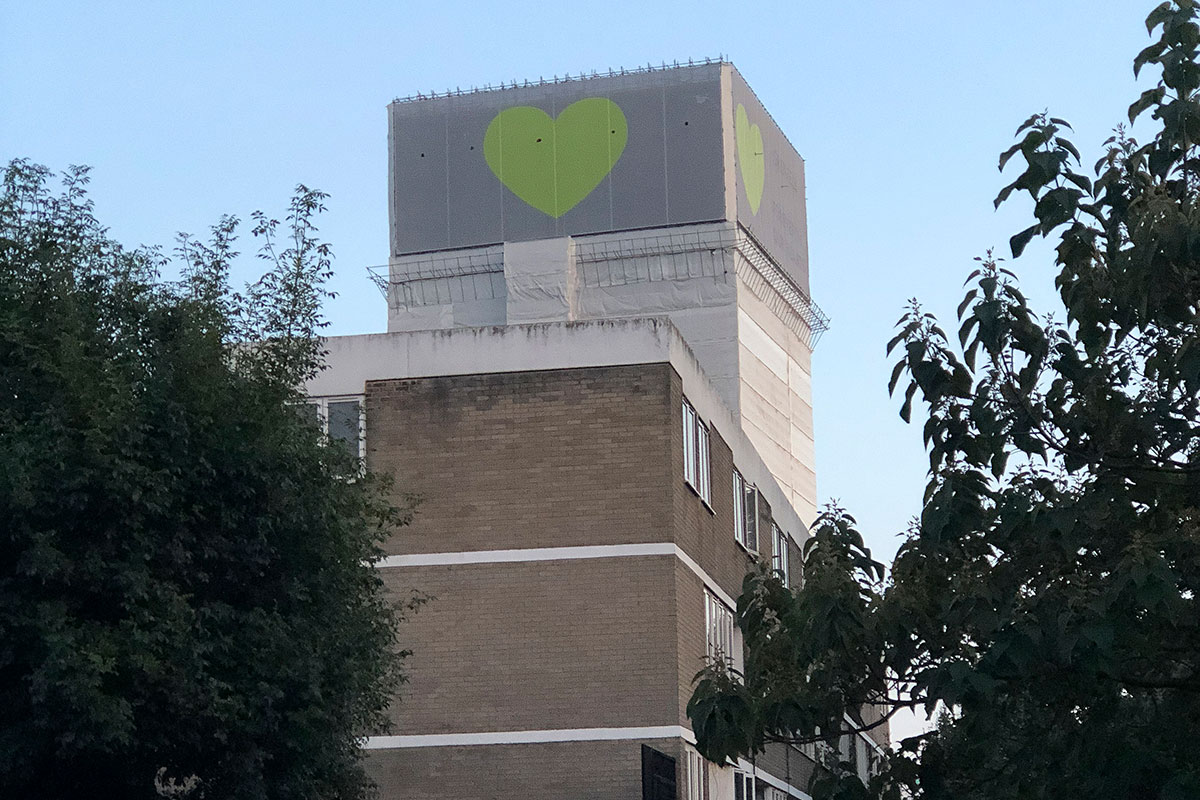
NHBC had no direct involvement in the Grenfell Tower refurbishment, but the inquiry is currently investigating as part of its work to establish how the system of building regulations in England failed to prevent the disaster.
A small amount of Kingspan K15 insulation was among the combustible materials used on the tower’s facade, with the insulation a popular choice for other high-rise buildings around the country.
Read more
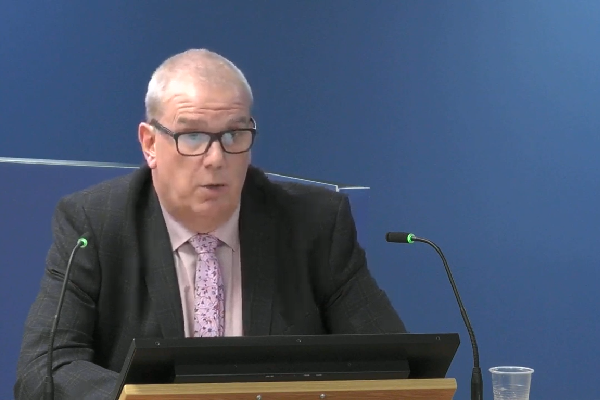
The inquiry saw an email from Mr Lewis to senior colleagues sent in August 2015, which recounted a meeting with Sotech, a supplier of solid aluminium cladding panels.
He said the firm had told him about a test they co-funded with Kingspan to pair their 2mm aluminium cladding panels with K15 insulation in 2008.
“It failed within 15 minutes with ‘flames coming off the top of the test rig’,” Mr Lewis wrote. “A few months ago Sotech got a call from Kingspan telling them they’d take legal action against them if they released the report.”
He added that Kingspan had never told NHBC of this testing and had refused its request to test its insulation alongside solid aluminium cladding.
“Do we get from that, Mr. Lewis that by this point you yourself now had strong suspicions that Kingspan were concealing failed test reports?” asked lead counsel to the inquiry Richard Millett QC.
“Yes,” replied Mr Lewis.
His email also said that systems pairing K15 with solid metal cladding were being signed off as compliant through the desktop study process, including by technicians at the Building Research Establishment (BRE) where the failed test was carried out.
“Either BRE staff have ignored (or been instructed to ignore) the earlier Sotech test or… current staff are unaware of it,” he wrote.
“Did that inconsistency not suggest that the whole process of doing assessments was flawed or might be flawed?” asked inquiry chair Sir Martin Moore-Bick.
“It didn’t strike me as such,” replied Mr Lewis, adding that even less combustible materials could fail large-scale tests.
The inquiry has heard that the NHBC sought additional test data from Kingspan after learning of concerns about its product from summer 2013 onwards and went through records of part-built projects in 2015 to assess the suitability of the proposed cladding materials.
But it never stopped accepting K15 for use on high rises outright, only demanding that a desktop study be provided to justify its use. Mr Lewis led the work to draft guidance in 2014 and 2015 which said desktop studies were an appropriate means of assessing compliance.
Earlier, the inquiry saw a November 2014 exchange of emails between Mr Lewis and a friend who worked at another private building control body.
The friend had asked him whether a certificate, produced by umbrella group Local Authority Building Control (LABC), which suggested K15 could be treated as a ‘material of limited combustibility’ and therefore used without restriction on high-rise buildings was valid.
Mr Lewis responded to the email in November 2014 saying: “It’s all garbage. Hereford LABC [which prepared the certificate] didn’t know what they were talking about.”
He added: “Kingspan have since done at least two tests… and there’s an issue with ongoing burning. Once the fire source is extinguished the insulation continues to burn up the cavity and, in one case, continued over the cavity barrier to the top of the test rig.
“It’s all an accident waiting to happen and we’re meeting with all the [combustible insulation] manufacturers to try and get something sorted. But in the meantime they continue to state that it’s fine and most [building control bodies] accept that at face value without sifting through the details.”
“Did your colleagues at NHBC share the views that you have described… namely that ‘it’s all an accident waiting to happen’?” asked Mr Millett.
“Everyone at NHBC knew that this was not a good situation,” replied Mr Lewis.
Asked if he had concerns about the firm’s ongoing acceptance of the material, he said: “I did have a lot of concerns about it, yes. But you’re asking a fire engineer whether they would prefer not to use combustible materials. It’s like asking turkeys to vote for Christmas.”
Earlier, Mr Lewis was asked why NHBC did not reject the use of K15 entirely except for projects where a system had passed a large-scale test. This is what official guidance in force at the time suggested should have been done.
“I think NHBC was aware that to do that would have created a storm within the industry. And NHBC needed to be mindful if it was going to make that storm that it was necessary,” he said.
He added that if it had rejected the projects, approval would have reverted to local authority inspectors. At the time, most of them were accepting K15 due to the LABC certificate.
The inquiry continues with further evidence from Mr Lewis tomorrow.
Sign up for our weekly Grenfell Inquiry newsletter
Each week we send out a newsletter rounding up the key news from the Grenfell Inquiry, along with the headlines from the week
Already have an account? Click here to manage your newsletters
Related stories