Residential high-rise buildings ‘should have individual evacuation plans’, says government-funded review
High-rise residential buildings should have individual evacuation plans, a government-funded research project has said, running counter to the Home Office’s ongoing reliance on ‘stay put’.


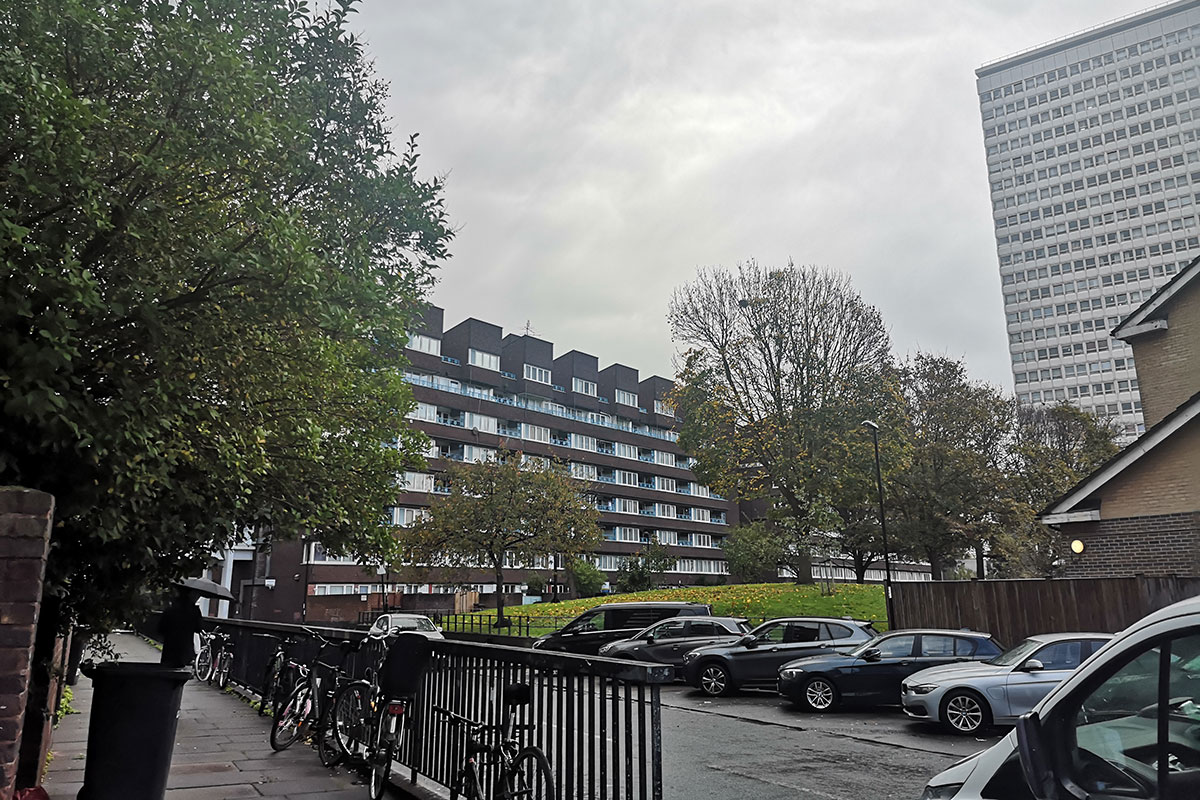 High-rise residential buildings should have individual evacuation plans, a government-funded research project has said #UKhousing
The National Centre for Social Research (NatCen) was commissioned to carry out a ‘rapid evidence review’ on the topic of evacuating high-rise buildings in March 2020.
Its report, published by the Home Office last week, said that the “paucity” of research on the subject, particularly in a UK context, “significantly limited” the conclusions they could draw.
However, the report said: “The body of evidence suggested that when evacuation is necessary, no single strategy is universally appropriate for high-rise residential buildings.
“Instead, every high-rise residential building should have a fire evacuation plan individual to each building, developed in full consideration of the building design, taking into account the composition of occupants and, crucially, the presence, or indeed absence, of effective compartmentation.”
Read more



NatCen added that it was able to “tentatively conclude” that partial or phased evacuations were safer than ‘simultaneous evacuation’ – where all residents of the building leave at once – in buildings where the correct fire separation measures are in place.
Further research, which followed some live testing in high-rise buildings, is still underway.
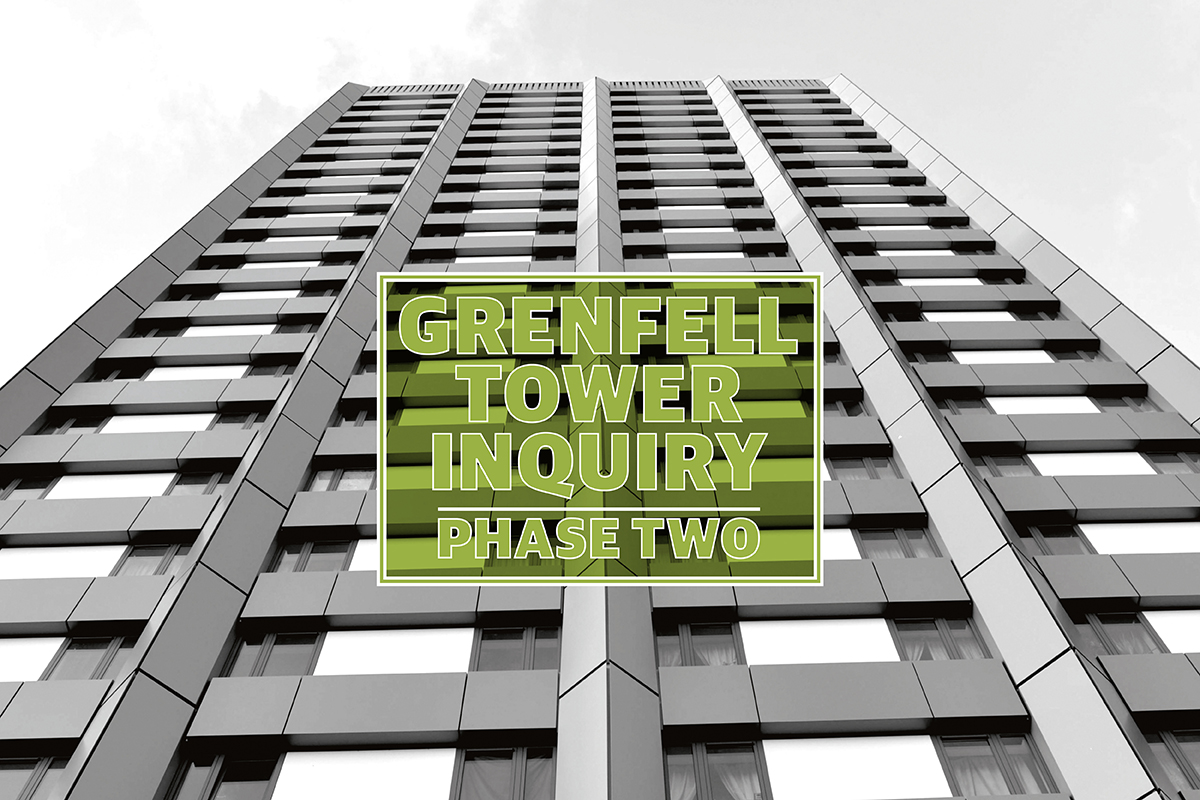
The report into the first phase of the Grenfell Tower Inquiry, published in October 2019, recommended that building owners and managers be legally required to develop evacuation plans for their blocks.
It said this should include specific personal plans for the evacuation of residents of disabilities and the installation of manual alarms that could send an alarm to all or part of a building.
None of this has been implemented by the government in the three years since, with the Home Office overtly rejecting the recommendation relating to residents with disabilities as too costly and not “proportionate” in May.
Instead, it has suggested dividing buildings into either ‘stay put’ or ‘simultaneous evacuation’ categories.
Stay put buildings would have no plans made for evacuation, with total reliance placed on the building’s compartmentation to keep residents safe.
In simultaneous evacuation buildings – which are known to have severe fire safety issues such as combustible cladding – residents with disabilities would have their location notified to fire services which would then be expected to rescue them.
The Grenfell Tower fire killed 72 people, making it by far the most deadly cladding fire ever to occur globally. Around the world, serious cladding fires have destroyed other buildings, but proved non-fatal because the blocks were swiftly evacuated.
Evidence introduced during mini-inquest hearings suggested the vast majority of victims could have survived if they were urged to flee earlier in the night.
Expert witness to the inquiry Professor José Torero said it was “essential” that the UK abandon the stay put policy, adding that the country is an “outlier” globally due to its “rigid” reliance on the policy.
“Most countries will have a provision for a phased evacuation for high-rise buildings,” he said.
A Home Office spokesperson said: “We are committed to delivering proposals that enhance the safety of residents whose ability to self-evacuate in an emergency may be compromised.
“Our public consultation on Emergency Evacuation Information Sharing Plus sought views on the scope of evacuation plans and we are currently analysing the responses.
“Working closely with the National Fire Chiefs Council and London Fire Brigade, we commissioned research to test evacuation strategies, for which live testing took place this year. A research team is now completing the evaluation of the evacuation strategy tests.”
Sign up for our fire safety newsletter

Already have an account? Click here to manage your newsletters
Related stories