You are viewing 1 of your 1 free articles
How to build next to the railway
Railway assurance for property developers and contractors is vital, writes John Freeman, technical director of Consult International



John Freeman is managing director of Consult International Ltd
 Railway assurance for property developers and contractors is vital, writes John Freeman, technical director of Consult International #UKhousing
Network Rail and Transport for London (TfL) own numerous sites that are potentially suitable for social housing or private development projects. Former railway sidings are being transformed into prime building land.
Recently, the government announced that Network Rail will establish a new property company in collaboration with government-owned developer London and Continental Railways. Their plans include constructing 40,000 homes.
Read more
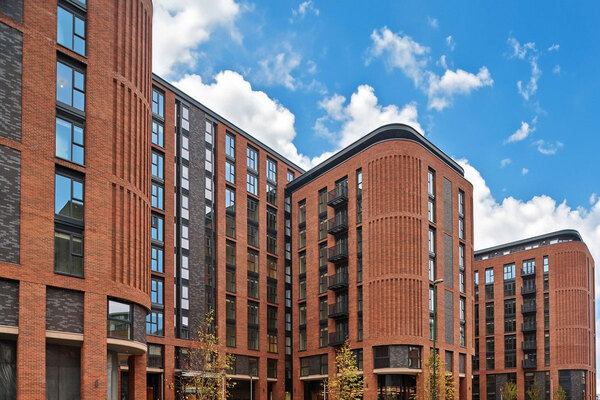
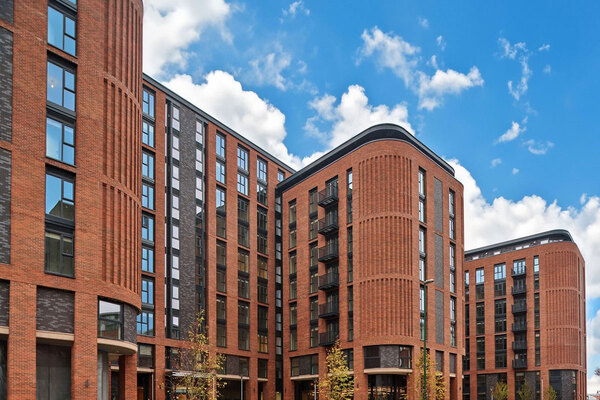

This new housing scheme represents just a fraction of the potential railway brownfield sites. Network Rail manages an extensive network of over 20,000 miles of track across the UK.
If you acquire building land adjacent to the railway, your project might need rail assurance. An online application will connect you with the Network Rail Asset Protection and Optimisation (ASPRO) team. They will formally determine if your project necessitates the involvement of their team.
“If you acquire building land adjacent to the railway, your project might need rail assurance”
If there is a potential risk to railway assets from your proposed construction works, they will mandate that you enter into a basic asset protection agreement (BAPA). The application is not straightforward.
The BAPA agreement ensures that there won’t be any risk to the railway assets during your works and that construction operatives will be safely protected from the operational railway.
Network Rail will negotiate with the developer to cover their costs, including project management, engineering support and construction supervision, and specify the level of public liability insurance required for the works. During construction, the Network Rail construction manager will conduct site visits and supervise safety-critical operations, such as the use of mobile cranes.
There are a number of mandatory railway assurance roles, such as the contractor’s engineering manager (CEM) and contractor’s responsible engineer (CRE), for both the design (CRE D) and construction stages (CRE C).
The nominated individuals must demonstrate key knowledge and skills attributes that Network Rail recognises as essential for these roles, and are accountable for ensuring that the proposed works comply with Network Rail engineering standards and operational guidelines.
“Network Rail will require the submission of designs and other key documentation, and works cannot proceed without their acceptance”
Network Rail will require the submission of designs and other key documentation, and works cannot proceed without their acceptance. If your construction projects pose a risk to the railway, you have no choice, you will have to enter into an asset protection agreement.
Once Network Rail becomes aware of your development, they will ensure the protection of their assets and ensure the safety of your planned construction operations.
John Freeman, technical director, Consult International
Sign up for our development and finance newsletter
Already have an account? Click here to manage your newsletters
Related stories