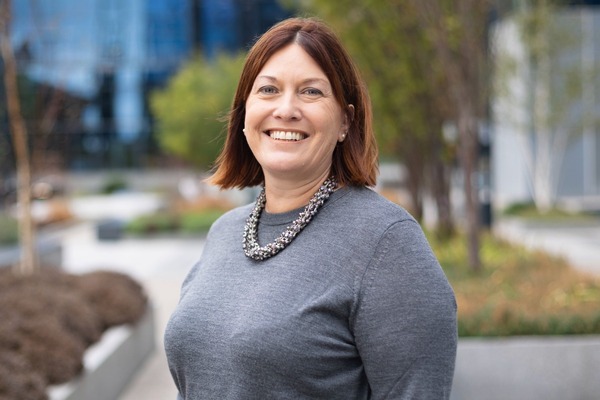
Duncan Smith is chief operating officer at AECB, and a board member at CIH Scotland
How to learn from the past to better manage the net zero transition
Past economic transitions such as the industrial revolution had a massive impact on ordinary people. We know another big transition is coming, so Duncan Smith considers how can it be better managed


 How to learn from the past to better manage the net zero transition – by @AECBnet’s Duncan Smith #UKhousing
How we live, work and travel will have to change radically over the coming decade if we are to avoid a climate catastrophe for our children to inherit.
It is difficult to appreciate the size and scale of the transition that we’ll all have to make from this our current vantage point. However, it will start to become more apparent over the coming years, particularly after COP26 in Glasgow last year.
I grew up at the start of the last great transition, the deindustrialisation of heavy industry, coal mining and manufacturing in the United Kingdom. As a teenager during the 1980s, it reduced my employment choices and shaped my life.
Read more
That transition brought misery to many, and it forced others to seek employment away from the city to the South or abroad. The terms economic and migrant had different connotations back then, when we were more likely to see one in the mirror than in the street.
If Glasgow took human form, she’d be a strong independent woman. Married in the 1800s at the height of the industrial revolution, widowed in the 1970s during the Winter of Discontent, and a single parent in the 1980s and 1990s.
But unlike people, Glasgow couldn’t get on her bike. Instead, she had to make a new one. While she was by no means alone, she suffered as much as any British city, if not more.
“A ‘just transition’ wasn’t part of the lexicon in the 1970s. But it is today, and it’s heartening to hear it used across the political spectrum and by business leaders on a daily basis”
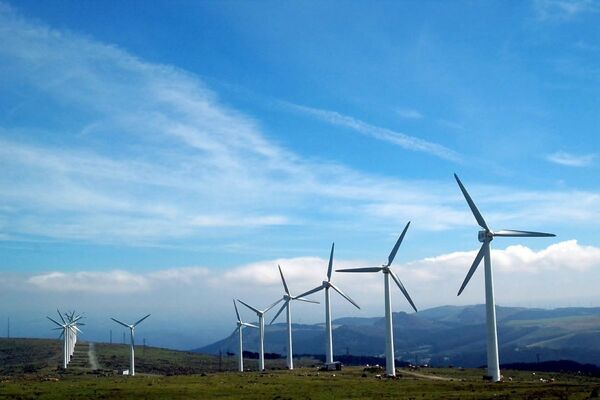
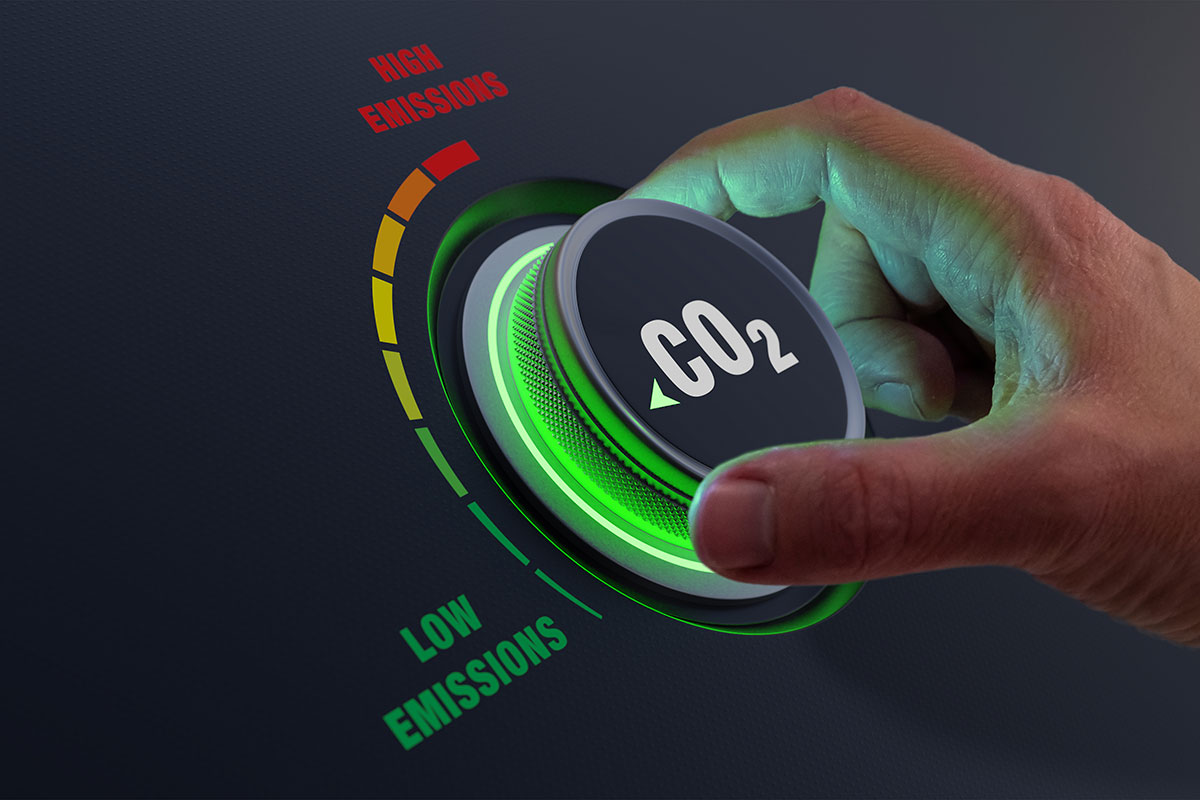
The transition we will have to make, away from a fossil fuel economy will be the most significant change within our lifetime. And while it is necessary, it comes at substantial risk.
The risk is that we don’t replace those jobs tied to the carbon economy with more sustainable ones, both environmentally and socially.
The lessons from the past are all too evident in the images shown here, and Glasgow bears the scars of the last great transition.
A ‘just transition’ wasn’t part of the lexicon in the 1970s. But it is today, and it’s heartening to hear it used across the political spectrum and by business leaders on a daily basis. That is progress.
But while a just transition is about making sure no one is left behind and no one loses out, it should also be about looking at things differently and seizing the opportunity that the transition gives us.
A once-in-a-lifetime opportunity to develop new systems and processes that maximise the benefits to both the consumer and the environment. To decarbonise and improve our homes in a sustainable way.
But, crucially, to redefine how the market interacts with the consumer to provide quality and value across a range of sectors, but especially retrofit, energy and heat, and how the public and private sectors can play a role in this.
“What if we could give those benefits that exist in asset management and technical teams within the social rented sector to the average consumer in a way that they couldn’t achieve on their own, while at the same time being delivered to a high standard?”
The last great transition was necessary, but it didn’t consider the human cost. A genuine just transition towards a zero-carbon future is about learning from the past in order not to replicate mistakes in the future.
What if we don’t agree?
One of the main risks in making our transition is retrofit and how the average household is supported in their journey to play a collective part in the decarbonisation of our homes, of our buildings.
Most of those reading this article will accept that the vast majority of Scotland’s 2.45 million homes will need to be retrofitted, even those that we only built within the past decade.
The guiding principle of free-market capitalism is the term ‘laissez-faire’. Literally meaning leave alone – that the less government involvement and the more market-led delivery, the better.
What if we don’t agree? What if we decide that homes are more important than being left to the market, which will inevitably get it right over time, but at a cost to both the consumer and to climate change.
What if we were to change the way that retrofit was delivered to benefit private owners in the way that those in the social rented sector already benefit from?
What if we could give those benefits that exist in asset management and technical teams within the social rented sector, such as the input into the specification, the oversight of the delivery of works and the economies of scale that makes retrofit affordable, to the average consumer in a way that they couldn’t achieve on their own, while at the same time being delivered to a high standard?
What if local authorities work together to form entities, such as an energy services company (ESCo), that can interface between the client – in this case, the consumer, and the market, by which I mean the contractor.
Acting across the private and social rented sectors at a regional level as intermediaries, as custodians of value, engaging and utilising professional expertise from start to finish to offer oversight and quality assurance.
Such an entity like ESCos that could be publicly owned and not for profit, for the good of the consumer, could enter into agreements between parties to provide quality and affordability for the good of society.
Duncan Smith, chief operating officer, AECB; and board member, CIH Scotland

Related stories
9 takeaways from HOMES UK 2026