Government has ‘no plan’ on how net zero will be funded, MPs say
The government does not have “answers to the key questions of how it will fund the transition to net zero”, a cross-party group of MPs has said.


 The Public Accounts Committee has said there is a risk that “disconnected initiatives” from central government will not bring about the changes needed for the UK to meet its climate change targets #UKhousing
In a report published this morning, the Public Accounts Committee said there is a risk that “disconnected initiatives” from central government will not bring about the changes needed for the UK to meet its climate change targets.
The report evaluates the government’s Net Zero Strategy, which was published in October last year, two years after the commitment to achieve net zero by 2050 in the UK was enshrined in law.
MPs on the Public Accounts Committee, which examines public expenditure, were highly critical of the strategy, which they said did not have “answers to the key questions of how it will fund the transition to net zero”.
Read more


This included a lack of information on “how it will deliver policy on and replace income from taxes such as fuel duty, or even a general direction of travel on levies and taxation”.
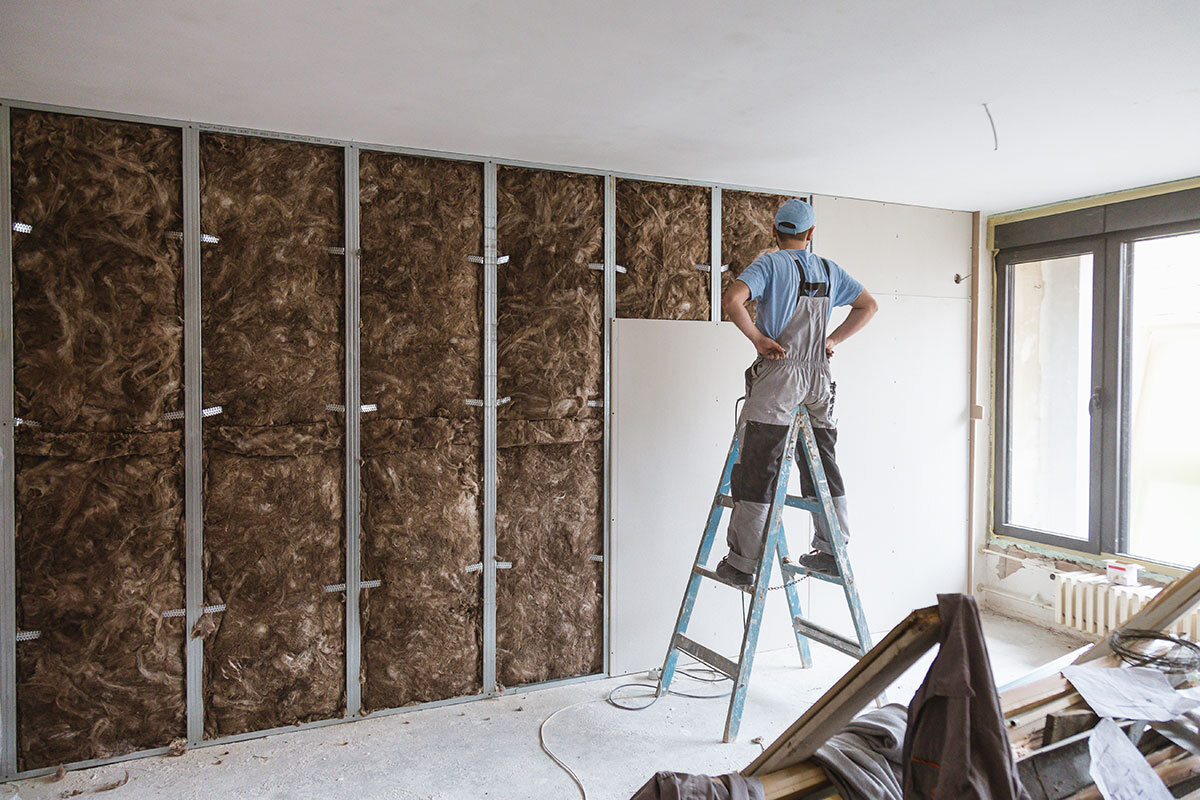
The report highlighted the government’s Green Homes Grant scheme, which was launched in 2020 to fund the retrofit of housing, as an example of “stop-start strategies which undermine confidence for business, investors and consumers in committing to measures which would reduce carbon emissions”.
Ministers were forced to scrap the Green Homes Grant in March last year after spending less than 5% of the scheme’s budget, however a version of the scheme is still running to fund retrofits in low-income households.
In December last year the Public Accounts Committee published a separate report on the Green Homes Grant that found the Department for Business, Energy and Industrial Strategy (BEIS) had “persistently failed to learn lessons from previous energy-efficiency schemes”.
In today’s report the Public Accounts Committee also highlighted similarly short-lived schemes for low-emission cars and environmental tax measures.
It said that HM Treasury witnesses who it took evidence from “were reluctant to be drawn on what the future costs of achieving net zero would be”.
Meg Hillier, chair of the Public Accounts Committee, said: “Government is relying heavily on rapidly changing consumer behaviours and technological innovations to drive down the costs of green options, but it is not clear how it will support and encourage consumers to purchase greener products or incentivise businesses and drive change.
She added: “A top-down strategy from government won’t deliver on its own. There is a risk that a series of disconnected initiatives announced by central government will not bring about the changes that are now set out in law.”
A BEIS spokesperson said: “Gas prices are at record highs, so we need to move away from expensive gas. The more clean, cheap and secure power we generate at home – like renewables and nuclear – the less exposed we will be to expensive gas prices set by international markets.”
Sign up for our asset management and sustainability newsletter

Already have an account? Click here to manage your newsletters
Related stories