



You are viewing 1 of your 1 free articles

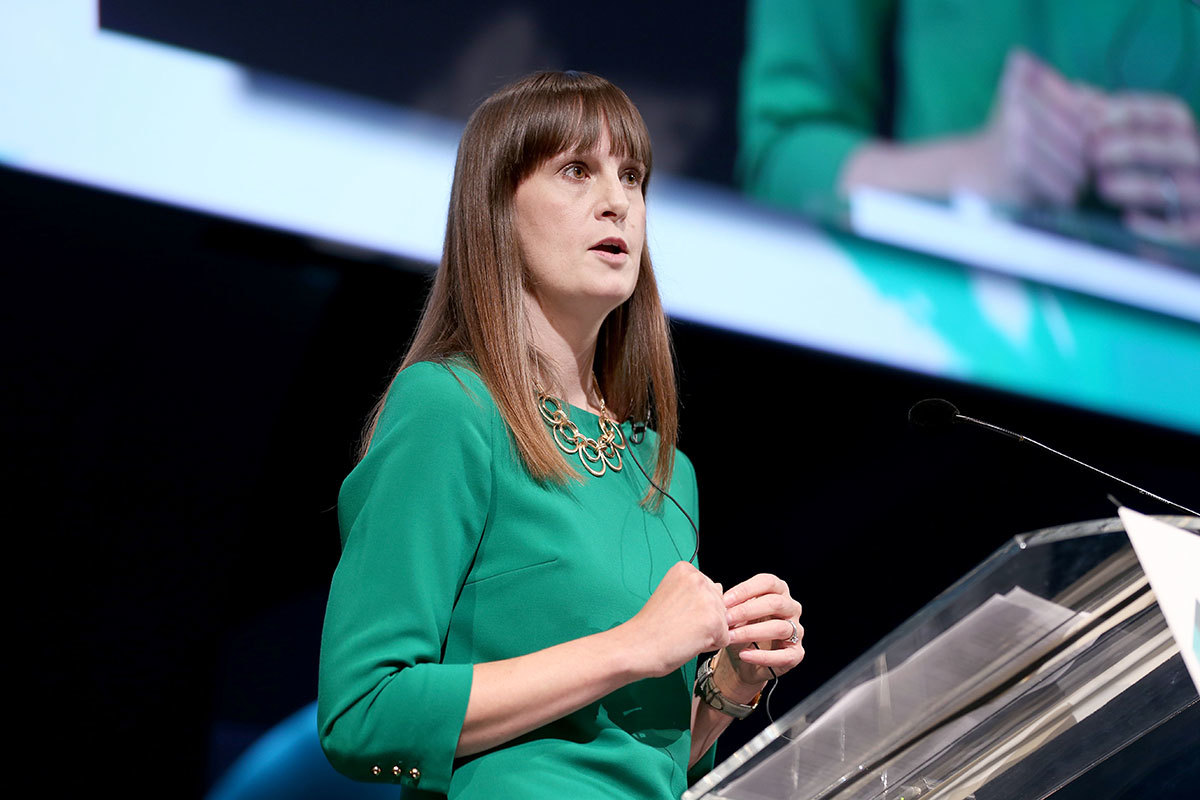
Alicia Walker is head of policy, research and campaigns at Centrepoint
The social rent cap could leave the most vulnerable without the support they need
The rent cap on social housing is going to put at risk support for young people, such as homeless young people in Centrepoint’s hostels, argues Alicia Walker


 The rent cap on social housing is going to put at risk support for young people, such as homeless young people in Centrepoint’s hostels, argues Alicia Walker from @centrepointuk #UKhousing“The vulnerable young people in Centrepoint hostels need an environment that recognises their past traumas and gives them the support they need to escape homelessness and achieve their dreams,” says @centrepointuk’s Alicia Walker #UKhousing
When the government’s consultation on capping social rents closes this month, much of the focus will be on how it will benefit low and fixed-income tenants struggling to navigate the worst inflation in decades. And that – while it won’t help those in similar situations in the more expensive private rented sector – should be cautiously welcomed.
But it’s a different story for those living in supported housing and facing the same economic headwinds. For these vulnerable residents, whose benefits are often paid directly to their landlord, the rent cap will put no money in their pocket and could in fact end up harming the services they rely on.
Under the proposals, a cap on social housing rent increases would be put in place for the coming financial year, with options at 3%, 5% and 7% being considered.
Given the soaring costs generally – and in running supported accommodation specifically – this seems a madness.
Read more

In the wake of Grenfell, there were some sound developments in fire safety measures just as the Decent Homes Standard and measures in the Social Housing Regulation Bill are nudging quality in the right direction. But these things are not cheap. They require both up-front and sustained investment that will only prove more difficult to find should landlords’ incomes not keep pace with inflation.
A rent cap could also punish the best providers. Organisations like Centrepoint, which will also be struggling with soaring energy costs, have done the right thing and increased pay for their hard-working staff without increasing the service charges for the vulnerable young people we support.
It’s no wonder, then, that many providers will already be looking at where savings can be made. In lots of cases this could mean cutting back on support and being forced to de-prioritise repairs and maintenance, something that may prove difficult after years of belt-tightening and shrinking contract value.
“Perhaps the government is worried about the size of the housing benefit bill. If that’s their motivation, then they are squeezing the wrong lemon”
The cap could have particularly dire consequences in some managed properties, where organisations are leasing the building they deliver services in, because owners could see their margins tighten beyond profitability and decide the provision is simply not viable.
We’ve lost tens of thousands of bed spaces in the supported housing sector over the past decade – and we have the street homelessness to show for it. To lose more would be reckless.
So, why bother?
Perhaps the government is worried about the size of the housing benefit bill. If that’s their motivation, then they are squeezing the wrong lemon.
The total housing benefit bill from claimants living in the private rented sector is no less significant – and tenants there would very likely stand to save more if their rents were capped.
And, of course, rents paid to those landlords are not contributing to an agreed maintenance standard, let alone support for their most vulnerable tenants.
And even on its own terms, as a policy designed to redistribute wealth from landlords to tenants, there’s little to cheer. The ministry says it would follow an existing £37bn support package, which includes a £150 council tax rebate, a £400 energy bill discount to support households over the coming months and the most vulnerable eight million households receiving support of at least £1,200.
“It’s not clear how a rent cap on the already most affordable of rents would shift the dial sufficiently and, as we have seen, it could have some negative unintended consequences”
The merits of those additional interventions are for another time – but Centrepoint’s own research and analysis shows that many of the government’s initiatives are not reaching the most vulnerable, let alone easing the burden of inflation.
It’s not clear how a rent cap on the already most affordable of rents would shift the dial sufficiently and, as we have seen, it could have some negative unintended consequences.
You can’t treat the landlords, providers and residents in a sector as multifaceted as ours with a one-size-fits-all policy. The exemptions required to make this policy workable could leave ministers playing whack-a-mole until any value for the taxpayer has diminished under the policy’s own complexity and any intended benefit has been lost.
Those living in supported housing deserve more than simply a roof over their heads.
That’s particularly true of the vulnerable young people in Centrepoint hostels, who need an environment that recognises their past traumas and gives them a space and the support they need to escape homelessness and achieve their dreams.
By limiting providers’ ability to keep up with rising costs, this policy could stop that happening.
Alicia Walker, head of policy, research and campaigns, Centrepoint
Sign up for our homelessness bulletin

Already have an account? Click here to manage your newsletters
Related stories







