
We need to link up low-carbon home retrofits with health and well-being
Becci Taylor says the way forward for retrofit lies in recognising the multiple benefits of decarbonisation to health, well-being and productivity


 .@_BecciTaylor_ says the way forward for retrofit lies in recognising the multiple benefits of decarbonisation to health, well-being and productivity #UKhousing“From reducing childhood asthma to cutting levels of depression and anxiety in adults, energy-efficiency upgrades don’t just lower emissions, they can improve people’s health,” says @_BecciTaylor_ #UKhousing
Decarbonising existing homes and improving building safety are massive vital priorities.
Local authorities and housing associations have a unique opportunity to combine multiple benefits in a single action to accelerate progress to net zero carbon, make homes safer and improve people’s quality of life.
A joint approach will save money, reduce disruption and increase the resilience of our housing stock. It’s a moment to think big and transform the way we live.
“From reducing childhood asthma to cutting levels of depression and anxiety in adults, energy-efficiency upgrades don’t just lower emissions, they can improve people’s health”
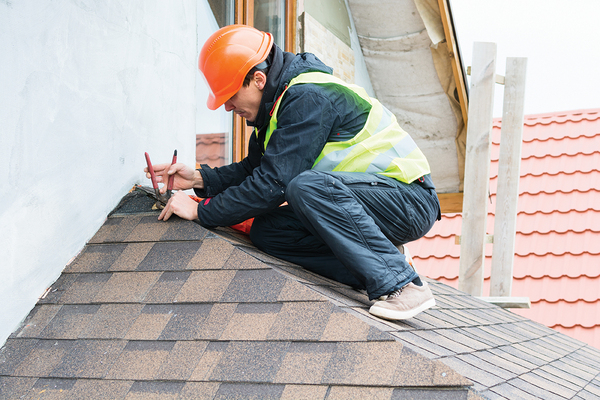
The UK’s housing stock is responsible for 20% of the country’s annual carbon emissions. Given that 80% to 85% of today’s homes are likely to still be in use in 2050, retrofitting buildings to reduce their energy consumption needs to be carried out urgently at scale.
Poor-quality housing also impacts health. According to the Building Research Establishment, housing may have a similar impact to smoking or alcohol use. Investment is needed and we must combine our response to these priorities in an efficient and effective way.
Read more


New regulation is about to reshape the equation for the UK’s housing industry. The Building Safety Bill 2021 and Social Housing Decarbonisation Fund will enforce and promote safety and energy-efficiency upgrades.
The question is how to unlock economies of scale on such a major programme of housing improvements, unlocking funding while providing people-led solutions for homes?
Addressing wider social goals
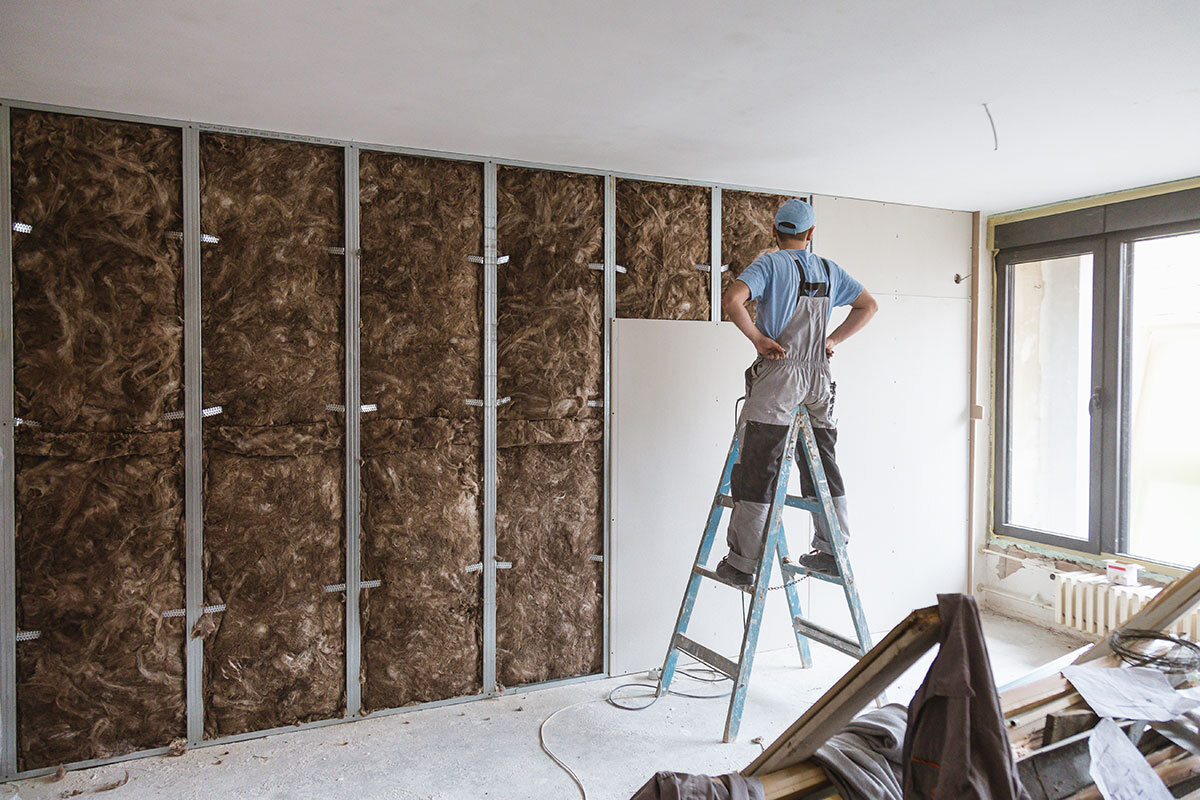
From reducing childhood asthma to cutting levels of depression and anxiety in adults, energy-efficiency upgrades don’t just lower emissions, they can improve people’s health. This results in fewer lost school days and reduced workplace absences – as well as improving life chances overall.
“Although funding is becoming available for social housing, more will be needed and all homes need addressing to meet climate targets and safety requirements”
Cost-effective retrofits to the poorest housing is a chance to help the most vulnerable in society. This includes lifting people out of fuel poverty and addressing health issues caused by poor ventilation, as recently outlined in the All-Party Parliamentary Group for Healthy Homes and Buildings’ white paper, which we contributed to.
Additionally, summer overheating problems are increasingly likely due to climate change. Health and well-being improvements, such as shading and window designs, can tackle this proactively, avoiding the need for high-carbon emission air-conditioning units.
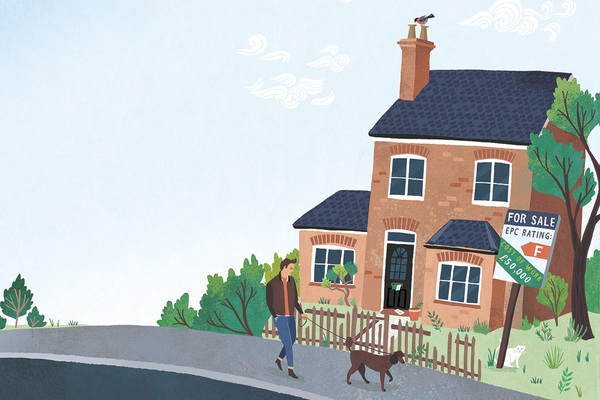
The traditional finance model is far too simplistic, focusing on direct costs and savings. When wider social benefits are considered, such as health, employment, regeneration and tax revenues, as well as asset value gains from higher energy performance certificate (EPC) ratings, the economic case becomes even more compelling.
Realising economies of scale while meeting individual needs
With 29 million homes across the UK, there are economies of scale from approaching common housing typologies with a repeatable solution and large scale plan. Our use of data analytics and modelling has helped to determine the scale and scope of retrofit interventions necessary to deliver net zero heating most efficiently on a city-wide scale, developing business cases that capture some of the co-benefits.
This approach enables cities to plan delivery and funding programmes at scale. However, local dialogue remains essential, providing an opportunity to create social value by providing insights to improve residents’ lives. This is particularly true in housing estate retrofit projects, through outdoor space enhancements or community amenities.
Finance and timing issues
Finance is often a barrier to broadening a project’s scope, but given the convergence of these housing issues, we have to make the case for an integrated approach. Even where there are higher initial costs, packaging projects in innovative ways can open access to new finance opportunities. Working in partnership with local authorities and housing associations, there’s a role for blended finance, combining public and private sector capital, grants and borrowing to fund different parts of a project.
Over the long term, a joined-up approach to retrofit is likely to generate financial savings on capital and operational costs, as well as increase resilience of housing stock and improving quality of life. There might also be opportunities within these programmes to unlock individual sites, which will sensitively add housing density and facilities, thus providing much-needed additional housing. It will simplify life for social landlords too, as it will remove the burden of consecutive urgent issues.
So, how do we begin?
First, the government must invest in large-scale retrofit of existing homes for decarbonisation, safety and well-being and provide support for innovative private investment. Although funding is becoming available for social housing, more will be needed and all homes need addressing to meet climate targets and safety requirements.
Second, local authorities, housing associations and the construction industry must define an efficient way to tackle all these issues in a joined-up fashion. All stakeholders will need to collaborate creatively to make sure investment is used to the greatest effect and the lowest disruption. And residents must be central to the process of upgrading their homes.
Property owners and the wider industry must recognise this time for the unique opportunity it presents. It’s a moment to truly make a difference and change lives for the better.
Becci Taylor, director in the building engineering team, Arup
Sign up for our asset management and sustainability newsletter
Already have an account? Click here to manage your newsletters
Sign up to The Retrofit Challenge Summit

A must-attend one-day summit for all those involved in the large-scale retrofitting of UK homes.
Join us on 24 March 2022 at the second annual Retrofit Challenge Summit, which will equip you with knowledge to fund, plan, procure and deliver retrofit projects at pace, at scale and right first time.
Related stories







9 takeaways from HOMES UK 2026