You are viewing 1 of your 1 free articles
Our work at Church Street shows how successfully engaging residents in regeneration will deliver a better neighbourhood for everyone, writes Setareh Neshati, director of regeneration and development at Westminster City Council

When it comes to estate regeneration, involving local communities in shaping the future of their neighbourhoods is much more than a ‘nice to have’ – it is fundamental. The challenge has always been how to give residents a genuine voice, while ensuring their insights meaningfully improve what is delivered on the ground.
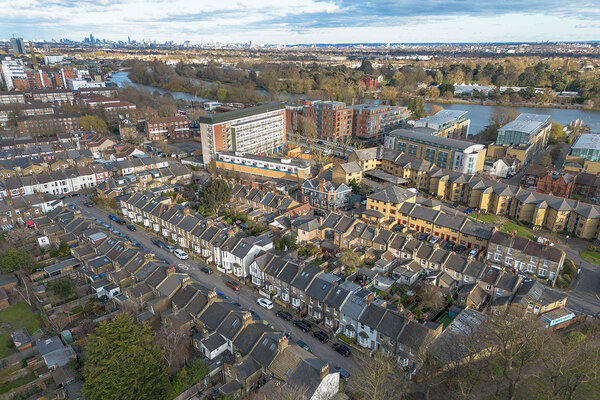
At Church Street in Marylebone, the ambition of Westminster City Council is clear. The regeneration programme is about improving the quality of life for residents and those who work locally, through a masterplan that will deliver around 1,750 new high-quality homes, new pedestrianised spaces, a library, an improved market and community facilities that support health and well-being.
Church Street is a vibrant and diverse neighbourhood, with a strong local character and a rich history centred around its market. It is also home to a significant proportion of Westminster’s social housing. The community cares deeply about the area and, when I speak to Church Street residents, I am always struck by their desire to play an active role in shaping its future.
I have spoken with residents, traders and community groups as the regeneration plans have evolved, and those conversations have been invaluable. They show how positive and practical engagement can be when people feel listened to, and how being present on the ground helps build trust and ensures regeneration is shaped not just for the community, but with it.
That is why, when we took the decision to revisit the regeneration plans for Sites B and C of the masterplan – which will deliver around 750 homes – we were clear that residents needed to play a far greater role in shaping the proposals from the outset.
“We established a dedicated community design panel and held a series of workshops with local residents, giving them the opportunity to directly influence the early design stages of the proposals”
To do this, we appointed a new industry-leading design team, including co-design specialists, with a simple brief: involve local residents from the very beginning of the process.
Together, we are pioneering a new approach to engagement at Church Street, with co-design embedded from RIBA Stage 1. Rather than consulting on finished ideas, we wanted residents involved while the foundations of the designs were still being formed.
Over autumn 2025, we established a dedicated community design panel and held a series of workshops with local residents, giving them the opportunity to directly influence the early design stages of the proposals.
These sessions went beyond traditional consultation. Residents were invited to work alongside designers and council officers as equals, shaping emerging ideas through a hands-on process.
This approach has helped build trust, ensured local perspectives are genuinely reflected in the designs and focused the proposals on delivering practical, real-world benefits for the neighbourhood.
“The co-design process has led to improvements on the previous outline planning permission, including better daylight and sunlight, increased space between buildings and new community spaces”
Feedback from residents has been overwhelmingly positive, confirming our co-design approach is the right one. And the impact of this engagement work is already clear. The co-design process has led to improvements on the previous outline planning permission, including better daylight and sunlight, increased space between buildings and new community spaces.
Crucially, residents recognise the difference this approach is making. Between November and January, we asked the Church Street community whether the co-design process was moving the regeneration in the right direction. Of the 460 people who shared feedback, over 70% agreed that it was. The message is clear: co-design works.
By giving residents a meaningful opportunity to shape the future of their area at an early stage, we are building confidence and community buy-in. At the same time, the insights gained through this process are helping the design team develop stronger, more deliverable proposals. These lessons will be taken forward by the council on future projects, with the aim to set a new standard for estate regeneration and co-design across Westminster.
When done properly, co-design leads to better outcomes – for residents, for councils and for the long-term success of regeneration projects. It is not simply about listening; it is about working together to create places that stand the test of time.
Setareh Neshati, director of regeneration and development, Westminster City Council
Sign up to Inside Housing’s weekly Development and Finance newsletter, featuring a round-up of business, development and regeneration news and analysis.
Already have an account? Click here to manage your newsletters.
Related stories