You are viewing 1 of your 1 free articles
What does the Social and Affordable Homes Programme prospectus mean for the North?
It’s clear the government has really listened to what would help us deliver in the North, writes Patrick Murray, executive director for policy and external relations at the Northern Housing Consortium



Patrick Murray is executive director (Policy & Public Affairs) at the Northern Housing Consortium
 It’s clear the government has really listened to what would help us deliver in the North, writes Patrick Murray, executive director for policy and external relations at the Northern Housing Consortium #UKhousing
Friday saw the very welcome launch of the Social and Affordable Homes Programme (SAHP) prospectus.
At the Northern Housing Consortium we’ve spent much of the last 18 months working with members and government to make sure funding works for the North. And I know full well from my time working in the Ministry of Housing, Communities and Local Government (MHCLG) on the Affordable Homes Programme that ‘how’ the money works is absolutely critical to enabling delivery.
There is much to welcome from a Northern perspective. At least 70% of the money is being allocated to Homes England, the largest share going outside London in a long time. Social rent is being funded at large across the country.
At the outset of the previous programme, the additional grant required was restricted to “areas of affordability pressure”, meaning much of the North outside large urban areas missed out.
Then there’s the ‘R’ word: regeneration. Effectively unutterable for a number of years.
“The government is committed to supporting estate regeneration schemes to transform neighbourhoods and deliver well-designed housing and a better quality of life for tenants.” When was the last time anyone saw this statement in a major government funding document?
Read more
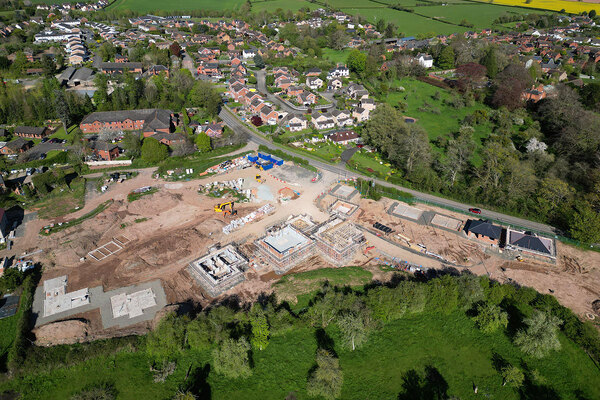

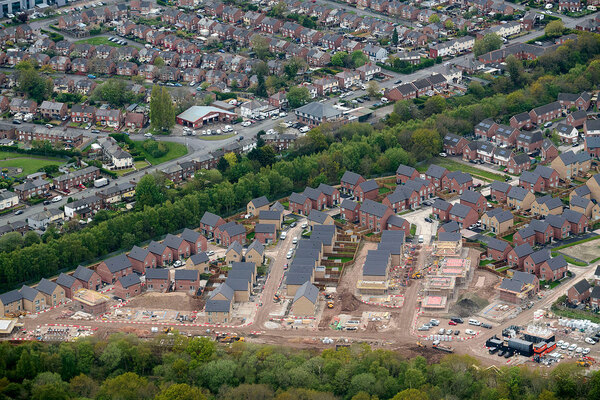
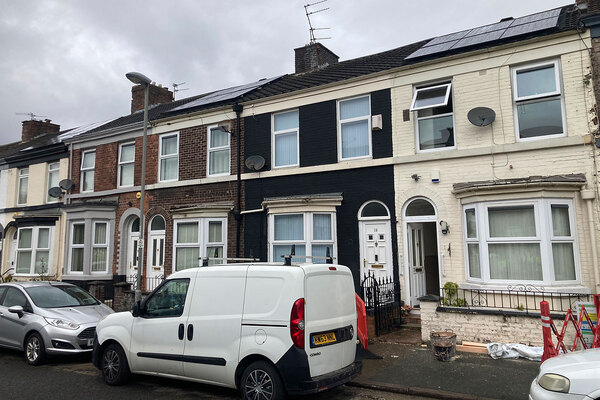
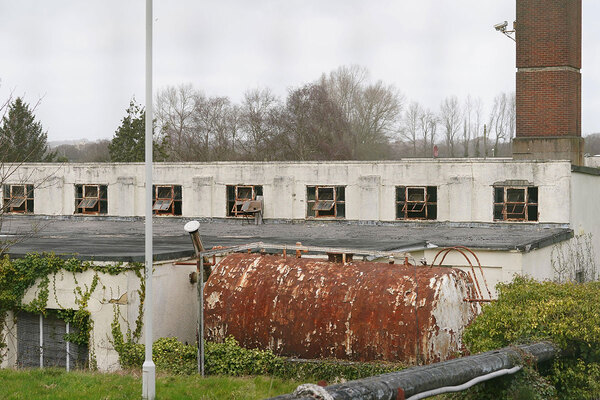
Our research at the Northern Housing Consortium suggests that as many as 126,000 social homes in the North are in an area in need of regeneration, and as many as 25,000 will effectively be non-compliant with regulations and be lost to social housing in the next five years. This renewed government effort towards regeneration is thus particularly welcome.
First, the caveats. The SAHP is a programme dedicated to new supply. This means that what the programme actually offers is the flexibility to support regeneration projects through grants for replacement homes where the overall number increases. For strategic partners, there is a cap that no more than 10% of homes built can be replacement homes.
But for all my time in MHCLG, this was a complete non-starter, a Treasury red line that no one dared tiptoe towards, let alone cross. To have it in at the beginning of a 10-year programme (another big win for the sector) is huge because regeneration projects by their nature tend to be for the long term.
What’s more, there’s a significant change in how Homes England is permitted to consider “net additionality”. In the new programme, it can be demonstrated through providing new social and affordable housing:
-
within the existing site boundary (through densification)
-
across a portfolio of sites
-
on adjacent land being brought back into use
-
on new sites as a result of unlocked business plan capacity
-
through providing additional bed spaces – for example, replacing one-bed flats with family homes
-
through replacing social and affordable homes that “are no longer fit for purpose, meet the needs of the intended client group or are otherwise in use as social and affordable housing”
This is the opposite of the devil in the detail. These are some technical changes that actually could unlock much more delivery.
The other big difference particularly relevant to the North is the role of mayors. Getting the right homes built in the right places is critical – after all, we don’t have one housing crisis, we have a myriad of housing crises across the country.
Setting out local priorities for sites and types of homes alongside an indicative spend will help tackle the challenge in different places. Through the Strategic Place Partnership model, mayors will be able to work with Homes England on the overall pipeline in their areas and feed back on the alignment of strategic partnership bids from larger providers.
The £16bn National Housing Bank will work with mayors too, and alongside that £5bn of National Housing Delivery Fund grant will enable areas to unlock more sites through brownfield remediation and infrastructure investments. The exact details of how this will work will be set out at a later date, but with our research showing that up to 320,000 homes could be built on brownfield land in the North, this is again very welcome.
What’s more, the mayors will have integrated funding settlements from April 2026 enabling them to align funding across brownfield remediation, skills, retrofit, transport and more to really drive local growth.
“Getting the right homes built in the right places is critical – after all, we don’t have one housing crisis, we have a myriad of housing crises across the country”
Alongside the mayors, we have vehicles for collaborative delivery in housing partnerships. The SAHP prospectus is clear it welcomes collaborative bids as well as a “portfolio” approach, which will help local authorities and social housing providers to access funds through the continuous market engagement grant in a more flexible way.
In the North though, there’s still the issue of regeneration where quality and place is the real driver. That’s why we’re launching a call for evidence this week at the Northern Housing Summit, as part of our inquiry into housing-led regeneration backed by Homes for the North and Muse. This will continue to build the case on how much more we can do for, and with, communities on top of what SAHP allows us to do.
But in the detail of the SAHP prospectus, it’s clear the government has really listened to what would help us deliver in the North. Friday was a good day for all those who want to build social housing, and for all those trapped on housing waiting lists. We’ve got a tremendous opportunity now, and we can’t waste it.
Patrick Murray, executive director for policy and external relations, Northern Housing Consortium
Sign up for our development and finance newsletter

Already have an account? Click here to manage your newsletters
Related stories