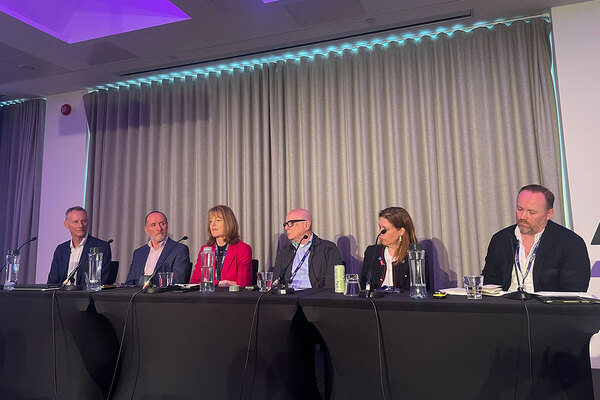
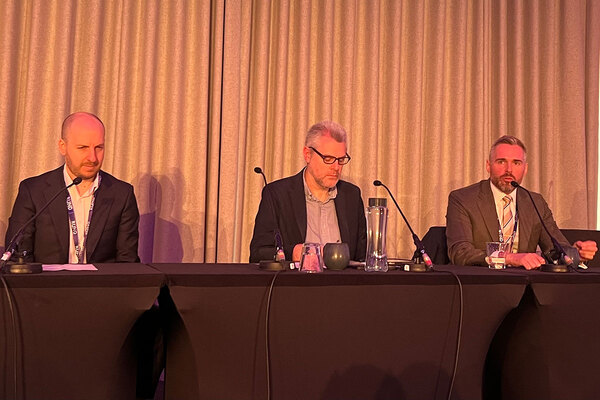
Ben Townsend, new business director in the North West, and Pamela Sullivan, development support director at L&Q, explain how landlords and developers can get the best outcome from the current Section 106 marketplace. Read the article, take a test at the bottom of this article, earn CPD minutes
After reading this article, learners will be able to:
Section 106 planning agreements have been one of the main ways of delivering affordable housing over the past decade.
Under these deals, developers seeking to build homes for sale agree to deliver a set number of homes classified as affordable as part of the planning approval process. These affordable homes are typically sold to private registered providers, such as non-profit housing associations or for-profit providers.
But the market for Section 106 affordable homes has become increasingly challenging.
The development of thousands of affordable homes that already have planning permission has been stalled because housing associations are reluctant to buy the homes, according to the Home Builders Federation, a membership body for major developers.
However, many housing associations say they are declining to purchase Section 106 homes due to concerns about their tenure, size, location and specification, a report by the G15 group of large London associations says (see below).
These changes in the market have prompted a re-evaluation and rethink of Section 106 affordable housing deals. This CPD article will examine how housing associations, developers and local councils can get the most out of the evolving Section 106 marketplace.
Section 106 agreements are legally binding agreements between local authorities and developers. Under these agreements, developers agree to carry out specified extra works related to developments for which they seek planning permission. These works can include transport infrastructure such as roads and bridges, as well as affordable housing.
Over the past decade, Section 106 agreements have become one of the main ways affordable housing has been financed and built. Research by consultancy Savills claims that these agreements have accounted for at least 40% of affordable supply every year since 2015-16.
Developers have typically sold the affordable housing they are required to build under Section 106 to housing associations. In the past, these have largely been not-for-profit housing associations. More recently, though, for-profit providers have entered this market.
The purchase of Section 106 affordable homes from developers has had apparent advantages for housing associations. It has helped them to increase their stock without being exposed to the risk of developing homes themselves. Section 106 homes are also sold at a discount and often at a fixed price, removing the risk of a renegotiation on price when construction costs rise.
These advantages had helped to create a market in which private registered providers competed against each other for the affordable homes delivered under Section 106 agreements.
However, this market in Section 106 affordable homes has been subject to some challenges in recent years. In December 2024, the Home Builders Federation, which represents some of the biggest house builders in England and Wales, reported that more than 17,000 affordable homes in these two countries were not being built or were left empty because housing associations were not bidding for them.
Many of the key challenges in this market relate to the degree of control housing associations have over factors related to Section 106 homes.
Several of these factors are tied to the homes themselves. These include location, number of bedrooms, room sizes, heating system, and the quality of fixtures and fittings in kitchens and bathrooms.
Other factors are linked to the management and services that housing associations provide to tenants and leaseholders who occupy homes built under Section 106 agreements. These include defect liability periods (DLPs), the components and parts sourced by developers, the setting of service charges, and developers’ choice of property management companies.
When housing associations develop their own homes, they can specify longer DLPs. At L&Q, we specify two-year DLPs instead of the one-year period often attached to Section 106 homes.
Section 106 developments can also include parts that take longer to source. This can leave customers waiting months for repairs to be completed. At L&Q, we specify parts in our own developments that can be easily obtained for five years.
“When housing associations develop their own homes, they have access to far more levers to drive quality and delivery… they have very few effective levers when purchasing Section 106 homes”
Developers can also appoint private companies to manage the homes they sell under Section 106 when they are part of a wider development. This arrangement can create difficulties for housing associations as they are accountable for the services these managing agents provide to their residents, but have limited influence over the services these companies provide or the service charges they set.
A further set of factors relate to the development process itself. When Section 106 affordable homes are built as part of larger developments, housing associations have limited control over when they will be completed. This means they have to tie up funds to pay for the homes they have agreed to purchase but may have to wait years until they are delivered.
When housing associations develop their own affordable homes, they have access to far more levers to drive quality and delivery, such as withholding payments from contractors. They have very few effective levers when purchasing Section 106 homes.
The lack of control housing providers have over Section 106 homes has become even more of an issue in the context of increased pressure on finances and stronger regulatory focus on customer service.
Section 106 affordable homes would be more attractive in this challenging market if housing associations could influence these key factors at a much earlier stage.
Ideally this should be at the design stage, before a planning application goes in. This would allow associations to make clear the red lines they would be willing to accept in a development and what they would not accept.
There are several examples of successful partnerships with developers, resulting in high-quality, affordable Section 106 homes. A recent positive experience where L&Q achieved this kind of influence on a development was at a scheme in Manchester.
By working with the developer and the local authority from an early stage, we ensured the Section 106 homes met our specifications. We were also able to access and inspect the homes throughout the development.
This arrangement also worked well for the developer as it wanted to pre-sell a number of homes. With this early involvement, L&Q purchased all the Section 106 homes and several more with the use of social housing grant.
“By working with the developer and the local authority from an early stage, we ensured the Section 106 homes met our specifications”
The degree of influence housing associations require over Section 106 affordable homes will also depend on their tenure. As the Manchester development involved shared ownership homes, L&Q was happy to be involved after planning had been secured. At this stage, we could confirm that we were satisfied that the developer’s specification meant the shared ownership homes were saleable.
However, for social or affordable rent units, associations should expect more influence over the specification as they would be responsible for repairs and maintenance.
L&Q is now developing a single standard for an affordable home. This same standard will apply across all its social rent homes, including any Section 106 homes the association purchases. It will set out the association’s red lines to developers and will ensure that, ultimately, residents get the best services and the best value for money for their homes.
Local authorities can also influence the market in Section 106 homes. They could adopt policies into their local plans that require developers to meet the nationally described space standards, which set requirements for internal spaces in new dwellings for bedrooms, storage and floor-to-ceiling heights. L&Q would expect homes to be built to these standards as a minimum, including Section 106 homes.
Councils and developers could also use housing associations as sounding boards for large planning applications that include affordable housing. These can help inform local authorities and developers about which kinds of affordable homes are in demand as a supplement to their own research.
“While affordable housing is required in many rural areas, house builders may struggle to find housing associations to purchase Section 106 homes built as part of wider developments in remote areas”
Councils can also set tariffs for the transfer of Section 106 homes from developers to private registered providers. These tariffs can take the competition out of the market and so create a greater incentive for developers to meet potential purchasers of Section 106 homes earlier on.
While affordable housing is required in many rural areas, house builders may struggle to find housing associations to purchase Section 106 homes built as part of wider developments in remote areas, which are far from services and transport links.
For such sites, local authorities could consider taking a financial contribution from developers instead of affordable homes as part of a Section 106 agreement. These financial contributions could, in turn, be distributed to registered providers to fund affordable homes in more suitable locations and of tenures and home sizes needed within the local authority area.
Such measures could help avoid a situation where homes have been approved and built, but stand empty because there are no associations wanting to buy them.
Section 106 planning agreements have been one of the principal means of delivering affordable housing over the past decade. These homes have been largely bought up by housing associations. But the market for Section 106 homes has hit some challenges in recent years.
These challenges have resulted in thousands of affordable homes completed but left empty for want of a housing association to buy them.
Many housing associations have pulled out of the market due to a range of factors related to the homes’ location, size, tenure, affordability and management arrangements agreed by developers in advance of their being brought to market.
Housing associations are now taking steps to ensure developers are building homes they are willing to purchase. They want to be involved at an earlier stage in the development process and to have greater control over the specification of homes that are built.
Local authorities can also influence their local markets in Section 106 homes by enforcing design standards that match housing association requirements and setting tariffs for their trade. They can also consider accepting financial contributions instead of affordable housing for developments in remote rural areas where associations are unlikely to purchase homes.
Next, answer the questions below. Get all the questions correct and you will receive a certificate confirming your award of 30 CPD minutes within 10 working days via email. Get any questions wrong and you can retake the test by refreshing your web browser.
Sign up to Inside Housing’s Daily News bulletin, featuring the latest social housing news delivered to your inbox.
Click here to register and receive the Daily News bulletin straight to your inbox.
And subscribe to Inside Housing by clicking here.
Already have an account? Click here to manage your newsletters.
Related stories