You are viewing 1 of your 1 free articles
Government targets bricklayers and carpenters as priority areas for skills boost


 Government targets bricklayers and carpenters as priority areas for skills boost #UKhousing
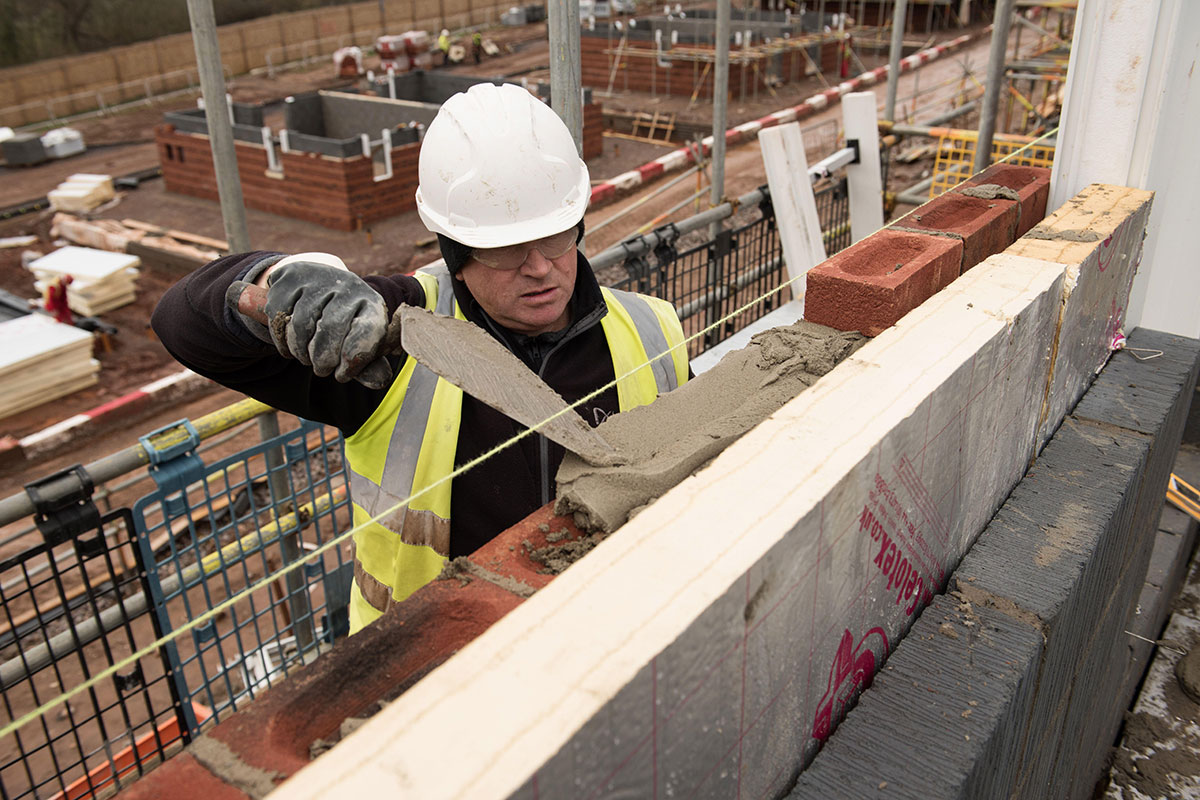
 Announced yesterday by the Department for Education, the plans will also target healthcare support workers, in a move the government believes will get more people building affordable homes, and more care for NHS patients.
The proposals are part of the government’s wider £3 billion apprenticeship budget, which aims to “open up opportunities for young people to succeed in careers the country vitally needs to prosper”.
This includes an additional 30,000 apprenticeship starts across this parliament.
Bridget Phillipson, the education secretary, said: “A skilled workforce is the key to steering the economy forward, and [...] we’re backing the next generation by giving young people more opportunities to learn a trade, earn a wage and achieve and thrive.”
This latest skills push comes after the government announced in March it will fund up to 60,000 more construction workers by 2029 by funding extra placements, establishing technical excellence colleges, launching foundation apprenticeships and expanding skills bootcamps.
A total of £100m over four years will expand bootcamps and fast-track construction courses of up to 16 weeks aimed at adults who are out of work.
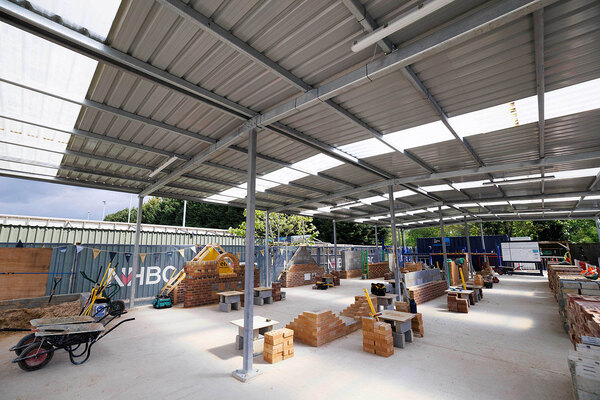
Plus, 10 new ‘technical excellence colleges’ specialising in construction skills, are opening this September.
At the same time, 13 new, GCSE equivalent construction courses will be launched with flexible courses ranging from a few weeks to one year.
A further £14m of funding for construction skills will be devolved to local mayors in a bid to reach an additional 5,000 adult learners.
The Royal Institution of Chartered Surveyors (RICS) described the devolution of funding as a “positive step” and said it would make the allocation of resources “more closely aligned with local plans”.
But higher level skills will not be a priority. From January 2026, funding for level 7 (masters level) apprenticeships will be withdrawn, because training at lower levels will have the greatest impact, the Department for Education said.
In addition, employers will be discouraged from employing foreign workers through a 32% increase in the immigration skills charge, a fee that employers have to pay if they hire a skilled or specialist worker from abroad.
The charge is currently between £300 and £1,000 for the first year of employment.
RICS has also called for greater equity and inclusion in the construction sector, saying the government should be “opening the skills pipeline to communities underrepresented in the built environment”.
RICS, which runs a construction monitor to measure and record skills and labour shortages in the UK’s construction sector, welcomed the boost to apprenticeship opportunities, saying it “supports the pipeline for driving fresh talent and upskilling seasoned labourers and professionals”.
At the end of last year, the National House Building Council (NHBC) outlined plans to invest £100m in the first tranche of 32 new skills hubs planned by the government that will deliver fast-track training across the UK.
In response to the latest proposals, Roger Morton, director of business change at the NHBC, said: “Today’s announcement signals a major and welcome shift in how we train the next generation of skilled workers, particularly in housebuilding, one of the UK’s most critical industries.
“We also welcome the government’s wider investment in foundation apprenticeships and the expansion of adult training. These initiatives will play a vital role in rebuilding a strong, domestic workforce.
“This is about more than just getting people into jobs. It is also about delivering homes of quality that meet the nation’s needs and expectations.”
Sign up for our development and finance newsletter

Already have an account? Click here to manage your newsletters
Related stories