You are viewing 1 of your 1 free articles

The court battles over Section 106 delivery
Two court cases brought by Southwark Council alleged that a London housing association sold properties meant to be used as affordable housing under Section 106 at full price. Luke Barratt investigates


 We look at two court cases brought by @lb_southwark over Section 106 delivery #ukhousingA London council alleged that a housing association sold section 106 properties at full price #ukhousing
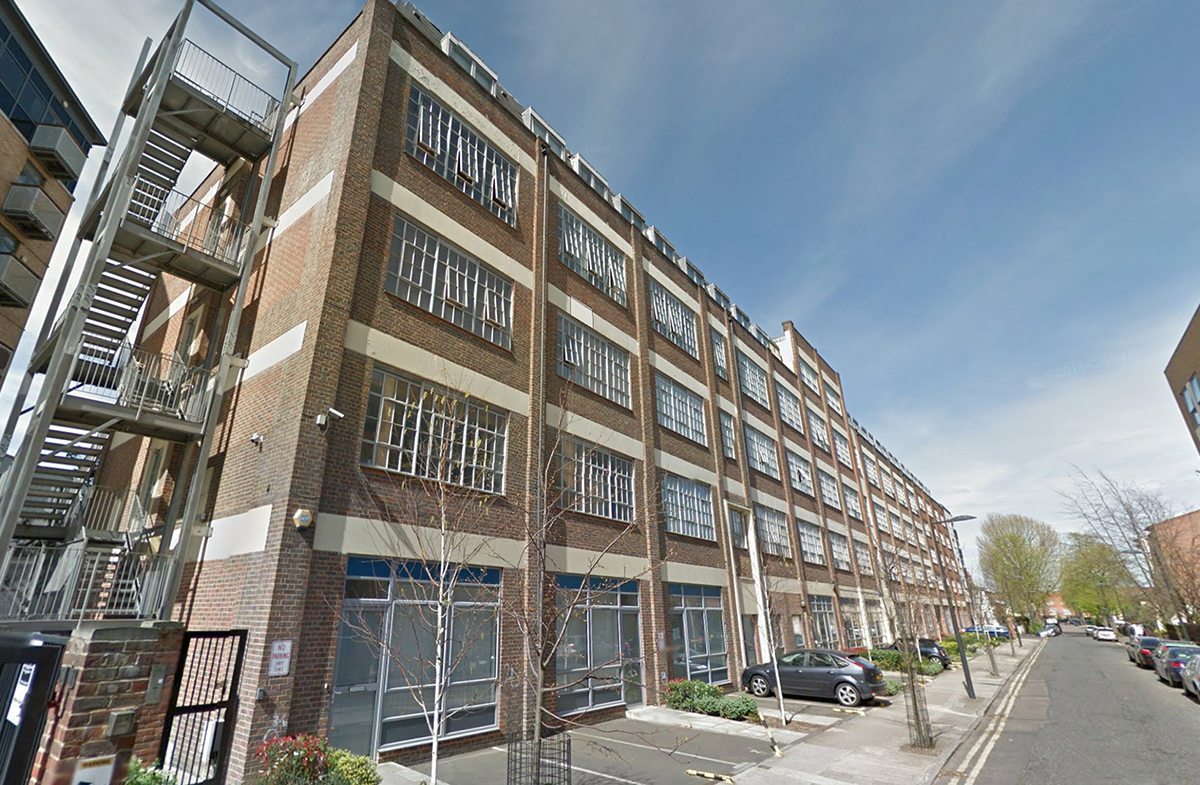
South City Court, Peckham (left) the Jam Factory near Bermondsey (centre) and The Signal Building in Elephant and Castle (right) Picture: Google/Rex Features
The story begins in 2015 in south London, when a resident of the Signal Building in Southwark contacted the council. He was confused about a reference to affordable housing in a tenant pack put through his letterbox, because he was paying the market rate for his flat, and renting from a private landlord.
Extensive investigation by the council led to two civil suits. The first was brought by Southwark Council in June 2015 against London District Housing Association (LDHA) and Protected Growth Plan (PGP).
Southwark Council alleged that at three sites, LDHA (chaired by Phillip Butt and whose estates manager was Fraser Allen in the relevant period) and PGP (run by Terry McMillan) conspired to violate their Section 106 agreements.
These are planning mechanisms through which councils require developers to provide affordable housing, but in this case Southwark Council alleged that the properties meant to be used as affordable housing had been sold or let at market rates.
Read more



Southwark then brought a second case in 2016 against the same defendants, but also Trademark – a second company run by Mr McMillan as director and principal shareholder – and a range of other named people and organisations.
The council alleged that Mr Butt and Mr McMillan were friends and business associates and that the named companies had violated a Section 106 agreement at a fourth site.
Inside Housing has made two requests with the court for the defence’s legal papers in these two cases, however the files have been marked as private by the court. Southwark Council released its legal papers under the Freedom of Information Act, and the council believes the private designation is an error. We will continue to attempt to secure a copy of these papers, and this story will be updated with details of the defence case if we are successful.
The defendants in both cases claimed they had granted shared ownership leases that had been staircased to 100% in a matter of days. Southwark said that these were “sham transactions” that bore no relation to the true purchases.
It was alleged that PGP paid individuals to sign the transactional documents, but it insisted it had kept to the letter of the Section 106 agreement. Southwark obtained ledgers belonging to solicitors who had acted for LDHA, showing – it argued – that the full premiums had been paid before completion and no staircasing had taken place. LDHA did not respond to requests for comment, but it is understood the firm did not concede this point in the case.
The first civil suit was settled confidentially out of court, with 17 of the 18 flats concerned being sold to a different housing association. In the second case, Southwark reached agreements with the people who had bought the leases and the judge granted injunctions requiring the flats to be used as affordable housing. Southwark bought nine flats back at around £200,000 each.
Neither settlement involved any defendant conceding they were part of the conspiracies alleged by Southwark Council.
For this article, Inside Housing contacted LDHA, PGP, Mr McMillan, Mr Butt, Mr Allen and all the other individuals and organisations mentioned below. None provided a comment.
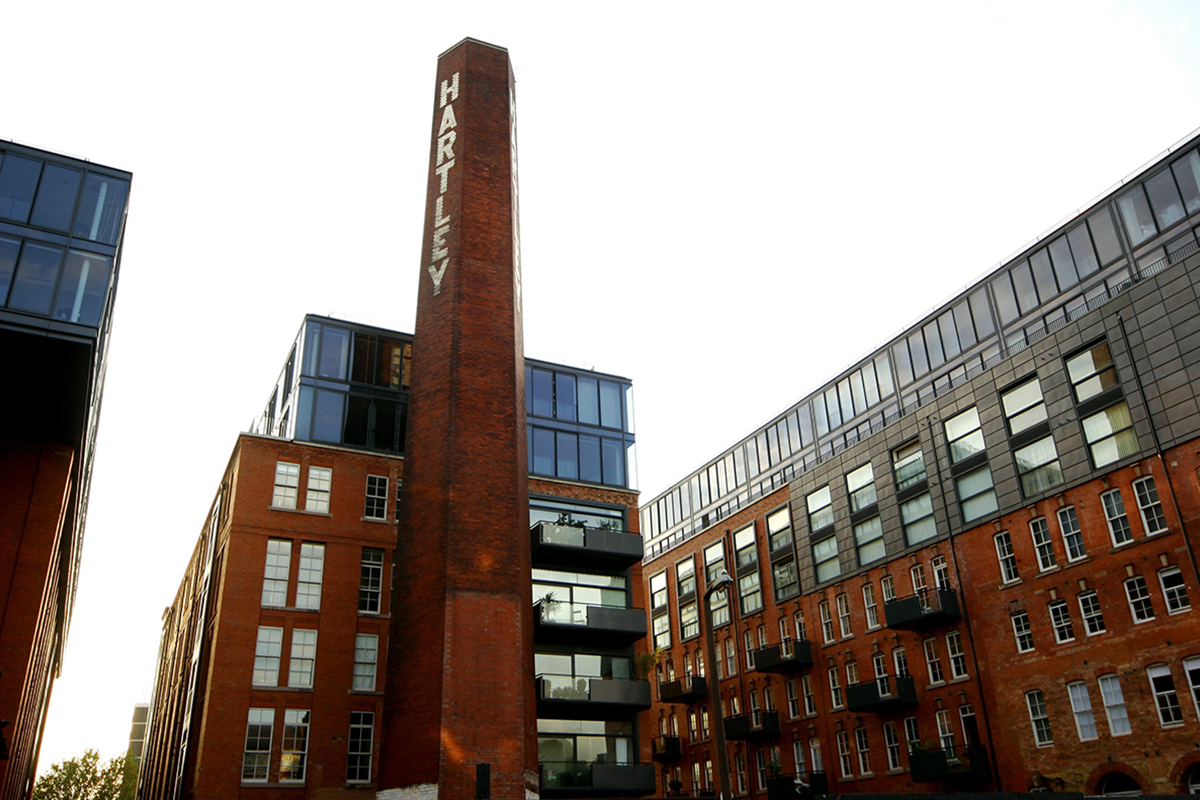
Four sites in Southwark are central to the story: the Jam Factory, a stylish conversion of the building originally constructed for Sir William Hartley’s famous jam-making company; the Signal Building, a 22-storey tower of luxury flats in Elephant and Castle; South City Court, a warehouse conversion in Peckham; and five flats on Wanley Road in East Dulwich.
Peter John, leader of Southwark Council, said: “The council has made a huge commitment to its residents to deliver large numbers of affordable housing over the coming years, but we can only be successful if the planning conditions we place upon the properties are complied with.”
Galliard Homes was a joint venture partner on half the sites concerned. Stephen Conway, Galliard’s founder, chief executive and chair, is listed at Companies House as a partner of the limited liability partnership PGP Securities No. 5. The only activity of PGP Securities No. 5 throughout the five years in which it operated was to provide funds to PGP Finance No. 5, whose sole director was Mr McMillan.
PGP Finance No. 5, Southwark alleged in court, paid for the leases to be granted to LDHA, and “knew and intended” that the properties would not be used as affordable housing, in spite of the planning obligations.
The Galliard chief executive is also listed as an active director of Packamist Limited, the developer on the South City Court site. Packamist entered into the Section 106 agreement with Southwark Council, and was not a defendant in either case.
There is no suggestion that Mr Conway or Galliard Homes knew of the alleged activities of the companies to whom he was providing funds.
Southwark Council has also told Inside Housing it does not believe they are connected to the conspiracy that was alleged in court. Mr Conway and Galliard Homes declined to comment.
Before the case, few in the sector would have heard of LDHA (see box: The housing association). It is a small association; its website says it has more than 2,500 units “under offer”.
Freedom of Information Act requests to all London boroughs reveal that most have not worked with LDHA. Information from the Land Registry and Companies House confirm it took over affordable housing allocations on various sites in eight council areas. Kensington and Chelsea Council identifies one Section 106 agreement. LDHA agreed to provide seven homes for affordable rent above a pub – The Tournament – on Old Brompton Road. For several reasons, the development stalled for many years, and LDHA transferred the site to another association – St Andrews Community Housing Association (Sacha).
"The court cases pose questions for councils around the extent to which they are monitoring the delivery of Section 106 commitments"
Inside Housing understands that Sacha, which has taken over some former LDHA sites around London, has demolished the building on the site and applied for planning permission for a larger development. Sacha, like LDHA, has borrowed money from PGP Securities No. 10, which is owned by Mr McMillan.
A former Sacha director, Floretta West – who resigned from the company in October 2016 – was accused by Southwark Council in a June 2016 court case of buying a flat in South City Court that should have been sold as affordable housing. Ms West has not responded to requests for comment.
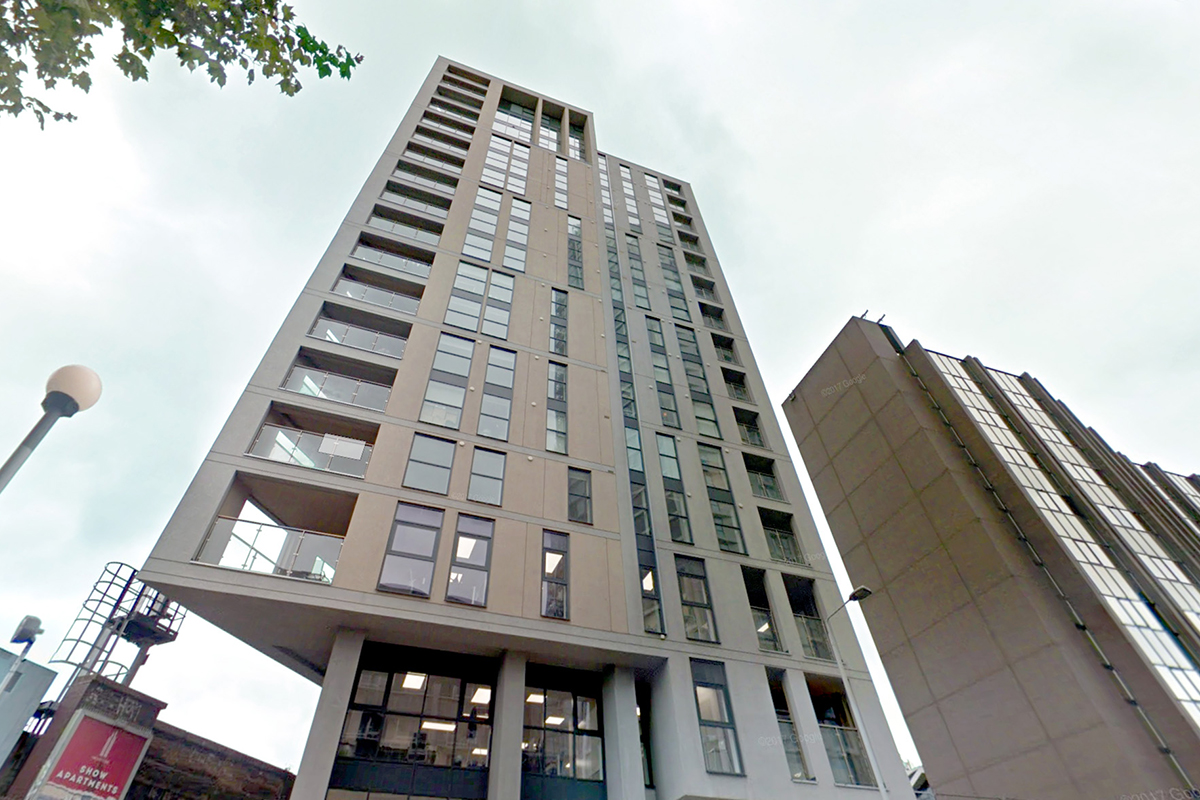
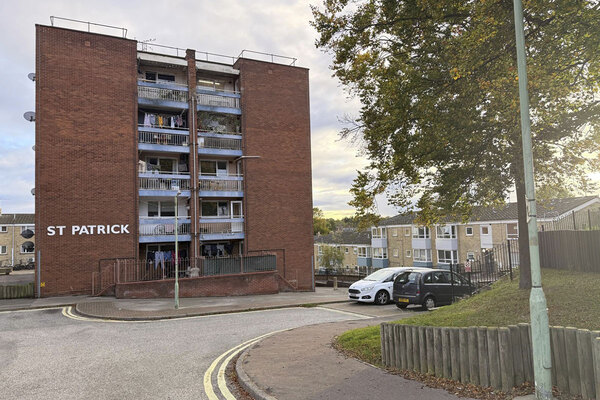
The Signal Building, Elephant and Castle (picture: Google)
Inside Housing has identified multiple sites owned by Sacha and Kinsman Housing in Camden, Lewisham, Ealing, Hackney, Westminster, Kensington and Chelsea, Wandsworth and Greenwich.
Kinsman Housing has similarly borrowed money from Mr McMillan and has as a director, Graham de Roy, a former director of LDHA. Kinsman and Mr de Roy did not respond to requests for comment.
"The cases pose questions for councils around the extent to which they are monitoring the delivery of Section 106"
A sign has appeared outside the Ranking Building in Bermondsey, which is owned by Trademark, indicating that post for Kinsman should be delivered there.
On most of these sites, the relevant councils have made Section 106 agreements with the associations to provide affordable housing. Some of the developments have been completed, some are underway and some have not started.
The court cases pose questions for councils around the extent to which they are monitoring the delivery of Section 106 commitments.
The housing association
London District Housing Association (LDHA), formerly Faithlands Housing Association and recently renamed Pathfinder, describes itself online as an association for the housing of key workers, employees of the Ministry of Defence (MoD) and BME people.
LDHA’s head office, before moving, once overlooked the Jam Factory and the association was run by Phillip Butt and Sehaer Siddique, two former Lambeth Living employees. LDHA’s former estates manager, Fraser Allen, was simultaneously head of real estate at Trademark Property, LDHA’s funder and co-defendant. He is now director of operations at property development and investment company MHA London.
Pathfinder has one home for social rent, according to the 2016/17 Regulator of Social Housing Statistical Data Return.
LHDA’s finances
A complicated array of companies provided the funding for LDHA, including the high-profile founder of Galliard, one of London’s biggest builders – Stephen Conway.
The developments in question, according to Southwark Council’s statement of case against LDHA, were funded by various companies whose sole director was Terry McMillan.
Mr McMillan owns The Trademark Group, which, through a series of complicated structures, controls several companies under the names PGP Numbers 1, 2 and so on.
The Trademark Group did not return requests for comment and would not allow Inside Housing into its offices to ask questions.
These PGP companies, Southwark Council alleged in court, bought the Jam Factory, South City Court and the other sites, and directed LDHA to sell the homes that should have been affordable housing on the open market. The companies have denied this.
Trademark has undertaken several joint ventures with Galliard Homes, which declined to comment on this article, and Mr McMillan and Mr Conway have been joint directors at PGP Securities Nos. 6 and 7.
Neither Galliard nor Mr Conway are suggested of any wrongdoing.
The middlemen
According to Southwark Council’s court claim, an estate agency called Independent London, which declined to comment for this article, helped rent the properties to people who’d be able to afford them on the open market.
Some of the buyers of the flats, meanwhile, named in the court documents have connections to the various organisations involved in the transactions.
Floretta West, who bought flat 34 in South City Court, was briefly a director at St Andrews Community Housing Association (Sacha), which has a subsidiary owned by Terry McMillan.
These people, according to Southwark Council’s court claim, “had no real involvement in the relevant transactions”, but presented the appearance that LDHA had sold the flats to people in need of affordable housing.
Inside Housing has made several attempts to contact these individuals, but none have commented for this story.
As well as all the other nominal buyers, several solicitors and letting companies (for which there is no space here) are also part of the story.
The campaigners
Housing campaign group 35% has played a key role in examining Section 106 agreements – a resident of the Signal Building alerted the group to irregularities with the properties in 2015.
The group was interested in the issue of developers failing to follow their Section 106 obligations as a result of their experiences campaigning against the regeneration of the Aylesbury Estate.
Jerry Flynn, a campaigner for the group, tells Inside Housing that the group found 40 instances where questions could be raised concerning affordable housing.
Its complaint was initially rejected by the council, but the housing ombudsman ultimately upheld it, telling Southwark Council that it wasn’t monitoring Section 106 obligations properly.
The LDHA case, though, was of a distinct nature.
Mr Flynn applauds Southwark Council for pursuing the association in the courts, but questions: “Why didn’t they call in the police?”
When this was put to the council, a spokesperson said that it had believed that enforcing planning obligations was its responsibility, not that of the police.
Inside Housing Spotlight
Inside Housing Spotlight is a series of pieces showcasing the best of our investigative and data journalism.
Spotlight pieces:
14 December 2018: Starting to bite - how Universal Credit is making people homeless: we reveal new figures showing a clear link between Universal Credit and homelessness
9 November 2018: First Priority - the inside story of a housing association which almost went bust When a small supported housing provider entered into a series of leasing deals with investment funds, it nearly spelled disaster for its vulnerable tenants. We investigate why.
12 October 2018: The ballad of Knowsley Housing Trust the inside story of the first housing association made non-compliant by the sector's watchdog for fire safety issues
13 September 2018: How tweaked building guidance led to combustible insulation on high rises: an investigation shows how lobbyists from the plastic insulation industry supported a quiet tweak to building guidance to permit combustible insulation on tall buildings
31 August 2018: The true cost of homelessness Freedom of Information requests reveal the soaring costs of temporary accommodation
30 August 2018: The forgotten threat to high rise tenants We investigate the threat posed by combustible window panels on social housing high rises
13 June 2018: The Biggest Ever Survey of Fire Risk Assessments Data journalism revealing widespread fire safety issues in more than 1,500 tower blocks across the country
12 April 2018: A Section 106 Story An investigation into allegations of "sham transactions" involving Section 106 deals in south London
23 March 2018: The Paper Trail: The Failure of Building Regulations A lengthy investigation into the failures of building regulation that may have contributed to the Grenfell Tower disaster, and the many missed warnings
23 February 2018: The Kingspan Papers Leaked meeting notes reveal some worrying issues, including allegations of fire safety report doctoring by manufacturers
9 February 2018: Gentoo: a Sunderland story We look back at the recent history of Sunderland’s largest housing association.
25 January 2018: Homeless families face long stays in council-owned hostels we reveal how councils in London are skirting the law by using hostels to house people in temporary accommodation for more than six weeks
7 December 2017: Council house to private rent We reveal the percentage of former Right to Buy homes in the private rented sector has passed 40%
17 November 2017: Rent to buy, or rent to rent? A look at how successful the government's Rent to Buy schemes have been
7 September 2017: Once upon a time in the west The history of KCTMO in the years before the Grenfell Tower fire
11 August: 2017 Grenfell: The paper trail - our news editor Pete Apps examines seven years of council documents to tell a story of the missed opportunites to prevent the Grenfell tragedy
4 August 2017 : Knowing the risks – the most common fire safety problems in tower blocks
26 May 2017: Rents hiked for RTB replacements – Sophie Barnes reveals less than half of Right to Buy replacement homes are for social rent
12 May 2017: A stark warning – a prescient piece looking at lessons to be learned from the Shepherds Bush tower block fire
13 April 2017: Where the axe will fall – a look at plans to axe housing benefit for younger people
10 Feb 2017: Circle of Despair – the inside story of Circle's repairs and maintenance troubles
3 Feb 2017: The Benefit Cap Tightrope – Sophie Barnes unveils the first exclusive analysis of the lower benefit cap
Related stories