You are viewing 1 of your 1 free articles
Almost 100 high-rises in Scotland found to have HPL cladding
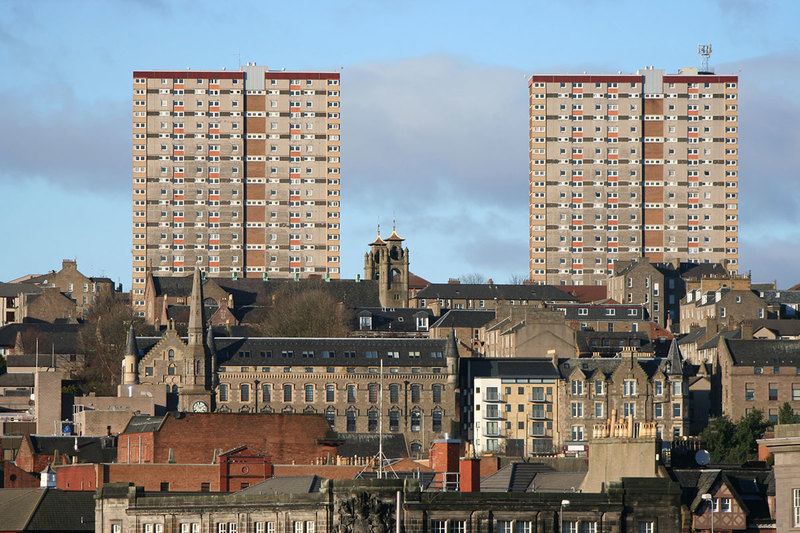
Nearly 100 high-rise blocks of flats in Scotland have a type of cladding that experts have warned could be unsafe for use on tall buildings, an official report has found.


 More than one in 10 high-rise blocks of flats in Scotland have HPL cladding, a government investigation has found #UKhousing
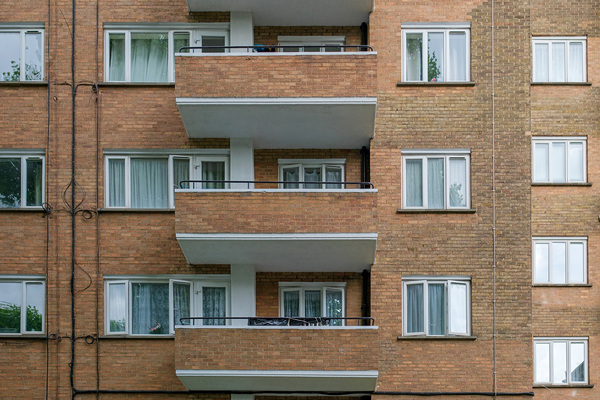
 A data-collection exercise undertaken by the Scottish government has identified 393 buildings with high-pressure laminate (HPL) cladding, of which 95 are high-rise domestic blocks.
This accounts for 12% of all of the high-rise blocks in Scotland, the data for which was supplied by local authorities using building warrant records.
Of the 95 blocks with HPL, 84 (88%) were owned by local authorities, 10 (11%) were in private ownership and one was owned by a registered social landlord.
The remaining buildings with HPL cladding include 253 schools, 27 colleges and universities, seven care homes, five hospitals, five hotels and one prison.
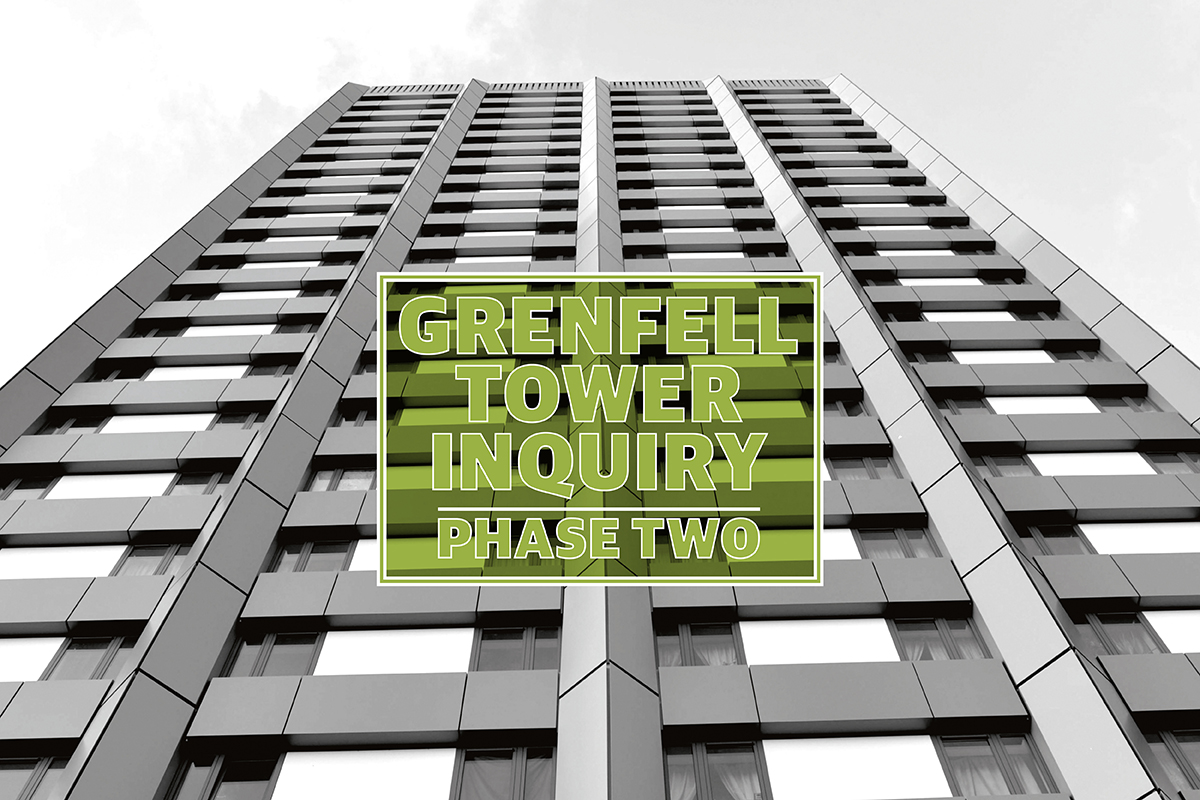
HPL cladding has come under scrutiny since the Grenfell Tower fire due to fears that it could pose a similar risk to the aluminium composite material (ACM) panels used on the London high-rise.
Following the fire, the UK government conducted a BS 8414 test of a cladding system using HPL cladding combined with non-combustible wool insulation and fire barriers.
Read more
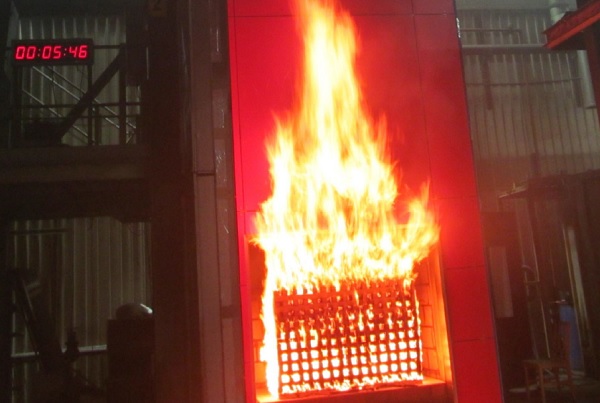
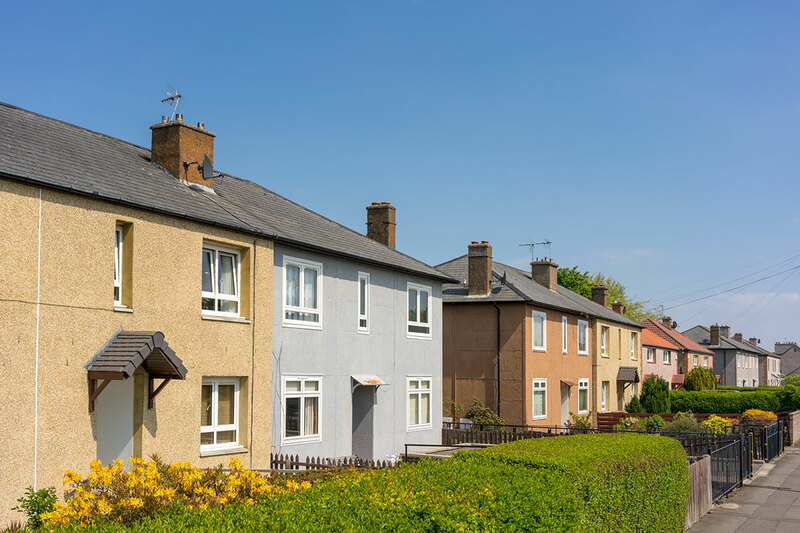
The cladding passed the test, which led the Ministry of Housing, Communities and Local Government’s independent expert advisory panel to advise that this combination of materials can be safe on existing buildings, depending on the composition of the cladding system and how it is fitted.
It said HPL panels of Class C or D are unlikely to resist the spread of fire adequately, regardless of the type of insulation used, and HPL panels of Class B with combustible insulation are also unlikely to resist the spread of fire adequately.
Documents leaked to the BBC and seen by Inside Housing last week, revealed systems containing HPL cladding failed government-commissioned fire tests in 2004, including a system containing mineral wool insulation but no fire barriers.
In 2019, the UK government said HPL cladding should not be used on high-rise buildings in England when combined with combustible insulation and buildings owners have a responsibility to remove it from any buildings where this combination has occurred.
Last month, the Scottish government published an advice note which took a similar view to that of the UK government’s independent expert advisory panel.
It said test evidence should be sought when HPL panels are installed on buildings, but said the level of risk from HPL systems is not as high as the risk from systems using ACM cladding with a polyethylene core, the cladding used on Grenfell Tower.
Its data-collection exercise identified 26 high-rises with HPL cladding that had achieved a Class B and five that had achieved a Class D, with the remaining having either a higher classification or no classification.
The Scottish government said it undertook its HPL data-collection exercise “as an internal business data improvement to assist and inform the work of the Scottish government” and recommends that the information gathered should be used by building owners as part of a “holistic fire risk assessment”.
Fire risk assessments have been carried out on 52 of the high-rise buildings with HPL, of which 40 require some remedial action.
The most common reason for remediation was to address shortcomings in cladding and fire compartmentation, accounting for 33 of the 40 buildings.
Sign up for our fire safety newsletter
Already have an account? Click here to manage your newsletters
Related stories