You are viewing 1 of your 1 free articles
Ofgem tells landlords to ‘put residents first’ as heat network protections come into force
Ofgem has told social landlords to “put residents first” as new protections for residents on heat networks came into force this week.


 Ofgem has told social landlords to “put residents first” as new protections for residents on heat networks came into force this week #UKhousing
Britain’s energy watchdog officially became the regulator for heat networks, meaning communal or district heating systems, on Tuesday (27 January).
Under the new regime, heat network providers such as social landlords will be required to provide more transparency to residents around heating charges and meet forthcoming performance standards.
Helena Charlton, director of heat networks at Ofgem, told Inside Housing: “As the new regulations go live, our message to social landlords is simple: be proactive, be transparent and put residents first.
“These rules exist to improve, over time, fair pricing, reliable heating and standards of service. We expect landlords to engage early, fix issues quickly and work openly with us so that heat network customers receive similar protections as any other energy consumer.”
Read more

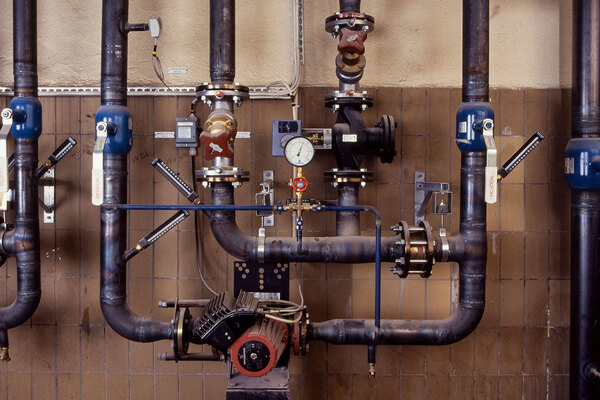
Asked how prepared social landlords are for the new consumer regulations, Ms Charlton said that awareness of the new heat network rules “is increasing” but “preparedness remains uneven”, and many social landlords still have work to do, “which is why we’re taking a supportive, phased approach”.
Ofgem is encouraging social landlords to advise their residents of the new regulations, review their policies against the new rulebook, join the Energy Ombudsman’s supplier scheme and prepare for registration on the new digital service from April.
According to Ofgem, 66% of the UK’s estimated 15,000 existing heat networks are owned and managed by social landlords – equivalent to around 10,000 heat networks.
Heat networks featured prominently in the government’s Warm Homes Plan, with officials hoping to double the amount of heat demand met through heat networks in England to 7% by 2035.
Ofgem will also play a key role in the government’s new Warm Homes Agency, which aims to simplify the consumer protection landscape and help to improve the quality of housing retrofits.
A spokesperson for Ofgem said: “The creation of a Warm Homes Agency will see existing Ofgem experts transfer over to the new organisation, to deliver energy efficiency schemes for homes and other buildings.
“By bringing together schemes currently split across government, Ofgem and elsewhere, households and scheme users will benefit from a clearer, more efficient system.”
The consumer regulations came into force a week after officials launched a consultation on new industry standards for the performance, efficiency and reliability of heat networks.
The Heat Network Technical Assurance Scheme (HNTAS) is expected to be introduced in 2026. It will establish mandatory technical standards for the design, construction and operation of heat networks.
HNTAS will require every new and existing heat network to meet minimum standards, be certified to operate and have data on its performance collected and monitored.
Not-for-profit social landlords will be exempt from having to pay compensation for problems consumers encounter with heat networks.
Instead, landlords will need to submit a plan to improve their networks if they do not meet the performance standards.
Even so, major social landlords have expressed concerns to Inside Housing about the cost of upgrading their existing heat networks to meet the standards.
According to consumer protection group Heat Trust, the cost of remediating all existing heat networks to meet the standards could be as high as £5bn, with social landlords and leaseholders potentially on the hook.
Gareth Jones, managing director of consultancy FairHeat and lead technical author of HNTAS, said that “quite a few” existing heat networks are coming to the end of their lifespan and will require refurbishment in the next 10 years, regardless of the introduction of HNTAS.
However, he added that government support for social landlords was “nowhere near enough” to cover the cost of heat network upgrades.
The government’s Heat Network Efficiency Scheme is offering £15m a year until 2030 to upgrade existing networks. Mr Jones said: “It’s a really big help [but] it is nowhere near enough.
“There is going to have to be additional funding found to support, particularly on the social housing front, those organisations improve the performance of their heat networks.”
“These are already organisations which are struggling,” he continued.
“Additional funding is required… [but] that isn’t a HNTAS issue. That’s been an issue that’s been underlying for a while.”
He added that HNTAS could improve confidence for social landlords buying Section 106 homes, since they know the properties have been built to minimum heat network standards.
Matthew Scott, policy manager at the Chartered Institute of Housing, said: “Clean, affordable and efficient heat networks have a vital role to play in the warm, healthy homes of the future.
“However, the lack of regulation to date has left people at risk of unfair pricing and repeated bill increases, and there have been limited avenues for redress when things have gone wrong.
“This makes the full commencement of Ofgem’s role as the regulator of heat networks a significant and welcome milestone.”
He said the CIH will continue to work with the watchdog to ensure the regulation “delivers good outcomes for residents and is implemented effectively”.
The government’s consultation on HNTAS closes on 15 April 2026.
Sign up to Inside Housing’s Sustainability newsletter
Sign up to Inside Housing’s weekly Sustainability newsletter, featuring our in-depth coverage of the sector’s journey to delivering net zero.
Click here to register and receive the Sustainability newsletter straight to your inbox.
And subscribe to Inside Housing by clicking here.
Already have an account? Click here to manage your newsletters.
Related stories