You are viewing 1 of your 1 free articles
Better funding and guidelines needed in Scotland to fix building safety issues, SFHA warns
The Scottish government needs to provide housing associations with more funding and clearer guidelines on remediation, the Scottish Federation of Housing Associations (SFHA) has said.


 The Scottish government needs to provide housing associations with more funding and clearer guidelines on remediation, the Scottish Federation of Housing Associations has said #UKhousing
These reforms are needed to ensure social rents remain affordable, writes the SFHA in its latest policy paper, Keeping Our Homes Safe and Healthy.
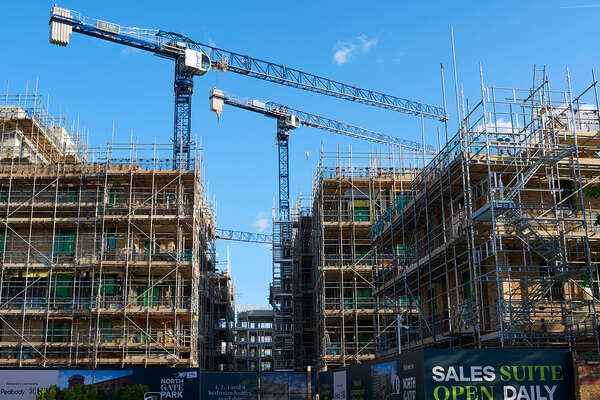
As of October this year, there were just over 1,000 expressions of interest in cladding remediation funding submitted in Scotland, government data shows.
Initial funding provides £50,000 for a single building assessment, after which a building is either put forward for remediation or deemed safe.
The Scottish government estimates that up to 1,450 buildings will require remediation, but has only completed 16 assessments so far.
Earlier this year, amid pressure from the sector, the Scottish government announced that housing associations and co-operatives would be able to receive grant funding support for cladding remediation for the first time.
The SFHA has called for this funding to be extended to any other building safety issues which may be identified from the Single Building Assessments housing associations are carrying out as part of the Cladding Remediation Programme.
Read more


Susie Fitton, policy manager at the SFHA, said: “Providing safe, healthy and affordable homes to tenants is paramount to all of Scotland’s housing associations and co-operatives, which is why they invest significantly in repairs and maintenance each year.
“It’s essential that when historic building safety issues are identified, they can be resolved urgently and comprehensively without impacting tenants’ rents.
“This is why the Scottish government must ensure funding is available to support housing associations in achieving this, as it’s inherently unfair to expect social tenants to pay the price of construction industry oversights through higher rents.
“As well as funding, we need a policy and regulatory framework which works with the housing sector to ensure regulations are achievable and are implemented in the best interests of tenants.”
As part of the new Housing Act, the Scottish government has committed to introduce Awaab’s Law in Scotland from next year.
The law is named in memory of Awaab Ishak, who was just two years old when he died in 2020 from an illness caused by long-term exposure to mould in his home.
Housing association Rochdale Boroughwide Housing had failed to deal with the problem, which a coroner found was caused by inadequate ventilation. This was despite repeated requests from his parents, who were ignored or blamed for the disrepair.
Under the new regulation, social landlords must meet strict deadlines when assessing and fixing hazards in their properties, move tenants out if their homes cannot be made safe quickly enough and consider residents’ vulnerabilities when making these decisions.
The Scottish trade body has said that housing associations were fully supportive of action to eradicate damp and mould, adding that there should also be emphasis on tackling root causes such as structural defects, disrepair and poverty.
However, the legislation must also recognise the differing regulatory frameworks between Scotland and England and be implemented in a way which delivers the best outcomes for tenants.
Ms Fitton added: “We also need to see reforms to Scotland’s tenement laws to ensure that the improvement works housing associations wish to make to mixed tenure buildings can be progressed upon agreement with other residents and owners.
“Keeping homes healthy and safe is not just a regulatory requirement, it’s crucial to helping tenants live well in their homes.”
The SFHA’s latest policy paper has also called for significant reforms to Scotland’s tenement laws, due to repeated difficulties in progressing works on mixed tenure buildings and the subsequent impact on tenants’ quality of life.
Over 70% of the homes owned by Scotland’s housing associations and co-operatives are flats, meaning a significant proportion of buildings house owner-occupiers and private renters as well as social tenants.
The paper proposes taking forward recommendations from the Scottish parliament’s Tenement Maintenance Working Group on building reserve funds and building inspections.
It also supports proposals from the Scottish Law Commission for compulsory owners’ associations, which would enable flat owners to make decisions about building improvements.
The Scottish government has been contacted for a response.
Sign up to Inside Housing’s Scotland newsletter
Sign up to Inside Housing’s Scotland newsletter, a fortnightly round-up of all the key news and insight affecting the Scottish affordable housing sector.
Click here to register and receive the Scotland newsletter straight to your inbox.
And subscribe to Inside Housing by clicking here.
Already have an account? Click here to manage your newsletters.
Related stories