You are viewing 1 of your 1 free articles
BSR is ‘preventing unsafe homes from being built’, deputy director says
The Building Safety Regulator’s (BSR) processes are preventing unsafe homes from being built, with applications rejected for “fundamental” failures to show compliance, its deputy director has said.


 BSR is ‘preventing unsafe homes from being built’, deputy director says #UKhousingThe Building Safety Regulator’s processes are preventing unsafe homes from being built, with applications rejected for “fundamental” failures to show compliance #UKhousing
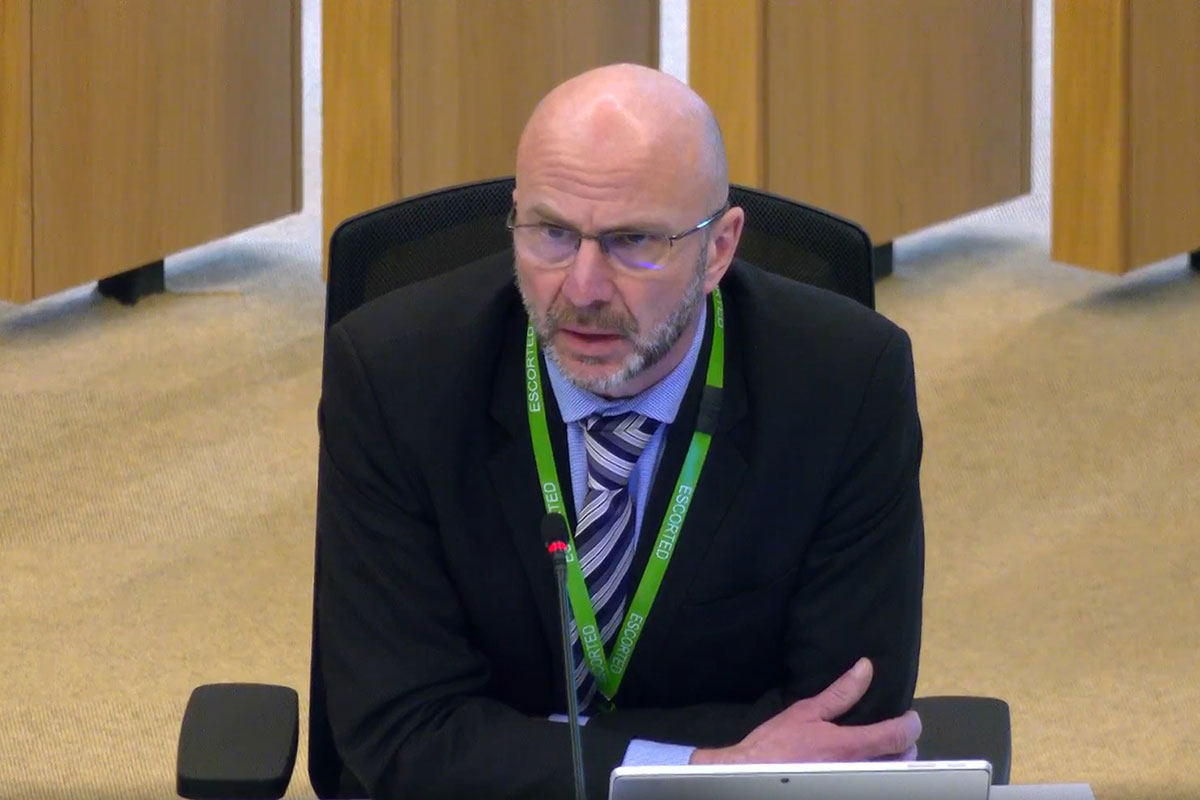
In an interview with Inside Housing, Tim Galloway responded to widespread industry criticism that the regulator’s ‘gateway’ process is delaying new build housing and slowing building safety remediation schemes.
The BSR – set up in response to the failures that led to the Grenfell Tower fire and subsequent building safety crisis – has faced criticism that its high rates of rejection and slow processes are causing damaging delays in the construction industry.
The body is the effective building control authority for buildings taller than 18 metres, and construction or refurbishment work can only begin on site when plans pass through the Gateway 2 checkpoint.
Currently, only 31% of applications for Gateway 2 are being approved, with 44% invalidated due to missing information and 25% withdrawn by the applicant or rejected by the BSR. The average determination time for a project is currently 18 to 20 weeks – down from 22 weeks in February.

But Mr Galloway said the rejections and delays often reflected applicants’ initial failure to provide assurance that buildings would be constructed or refurbished in line with regulations.
“The rejections reflect situations where those submitting the application haven’t demonstrated that the building regulations are going to be met,” he explained.
“Examples include where the application didn’t demonstrate that the foundations would be strong enough to support the proposed building, or didn’t demonstrate how the walls would be tied together.
“We’ve rejected plans where the applicants own analysis of the smoke control system demonstrated it would put smoke into the evacuation routes, or applications for the remediation of cladding where it’s not demonstrated that the facade of the building is capable of taking the weight of the new cladding and in some cases, not even demonstrating that the new cladding is any better in terms of combustibility than the cladding that’s proposed to be taken off.
“We are talking about pretty fundamental things, and that’s quite worrying.”
Responding to criticism that the delays and rejections were slowing down housebuilding, he said: “When one then sees BSR delays blamed for houses not getting built, what I would say is those houses, those properties, aren’t getting built because the building regulations might not be met if they were.
“And I think we’d all want the building regulations to be met so we have safe, quality homes. Certainly ministers, and the deputy prime minister in particular, has been very clear that they want safe, quality homes.”
Mr Galloway conceded – as he has previously said – that assumptions about the amount of work the BSR would be required to undertake had proved inaccurate, leaving it with a larger volume of cases than anticipated when it launched.
He said this was mostly due to the number of Category B applications being higher than expected. These are for less serious works to a building that do not impact its structure or safety, but which the BSR still has oversight.
Asked if he would support changes to reduce the amount of Category B work that the BSR is responsible for, he said: “That would require some legislative change, and the department and ministers would need to be convinced that any change wouldn’t create new risks. There are things industry could do to help with that, for example through the creation of competent person schemes for issues such as fire-door installation.
“Other things that we will explore are different ways of actually discharging our functions. Are there means by which we can do that work in a different way, achieve the same aim, but do it in a light-touch way, in a faster way? But we ourselves would need to be convinced of the evidence that that’s still achieving the same objective, namely that you get something that complies with the building regulations.”
He added that applicants should focus more on assuring themselves of compliance at the design stage before plans are submitted to the regulator.
“You’ve got to remember that this is an end-to-end process. Everyone is focused on Gateway 2, but the important bit of the process is actually at the start – before you submit to us. And it’s for you to assure yourself at that stage that your remediation job is going to meet the building regulations. Assure yourself, and you will have a much easier time assuring us,” Mr Galloway said.
The full interview is available here.
Sign up for our fire safety newsletter
Already have an account? Click here to manage your newsletters
Related stories