Every year, Inside Housing scours the financial accounts of 100 of the UK’s biggest housing associations, to find out what the sector can learn about the risks they see on their radar. What are some of the key takeaways this year?
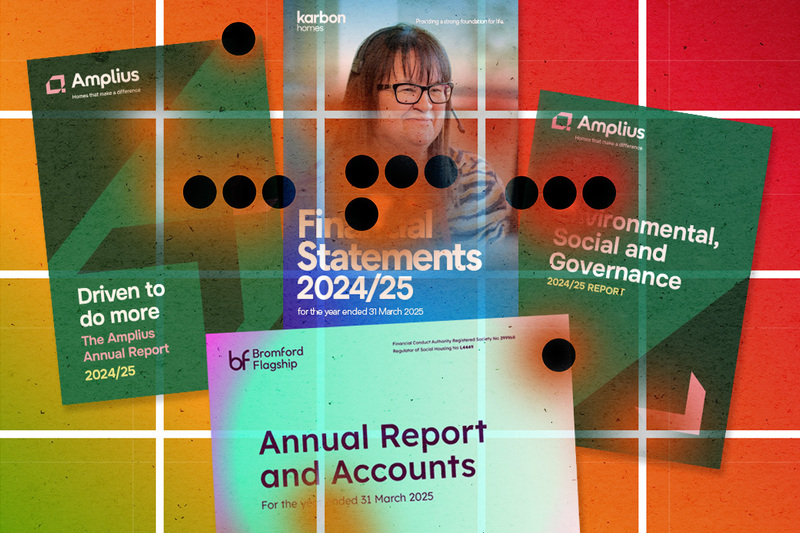
You can read our full analysis in our Risk Register Survey 2026. But there are some top-line themes that stand out:
The risk of a cyberattack probably isn’t the most discussed issue in the housing sector, but 84% of housing associations name this as a strategic risk in their annual reports.
Our full story gives 20 different examples of actions that housing associations are taking to address this risk.
One of these is Settle, which is running monthly simulated phishing attacks.
The number of housing associations citing governance as a risk rose eight percentage points in one year.
This perhaps reflects a changing regulatory environment for the sector, particularly in England, which has been implementing a fairly new system of consumer regulation.
L&Q, for example, said in its financial report that it was above appetite on its strategic risk of organisational governance at the end of 2024-25. It categorised its current risk level as ‘medium’, but expects it to be back within appetite (‘low’ risk) by the end of 2025-26.
In a year when the sector has been scrambling to cope with new or growing risks, the strategy isn’t always to huddle under and retreat, or mitigate.
Housing associations use the risk register segment of their financial reports to record their appetite for risk across different areas, and sometimes this goes up.
Peabody, for example, made a change on sustainability, net zero and carbon retrofitting, and moved its risk appetite from ‘cautious’ to ‘open’ this financial year. This was in recognition that the organisation would “need to embrace innovative solutions” to mitigate climate risk and deliver its zero carbon agenda.
During the 2024-25 financial year, we saw a big, bold announcement on grant from Westminster, but also concerns about cost and viability. This was reflected in how housing associations analysed the risk of development.
The actual number citing development risk inched up only a little, but different housing associations mentioned interest rates, higher costs and risk of contractors going bust.
Orbit, for example, moved the profile of its development activity risk from amber to red during 2024-25 on the back of the “challenging external market for development and sales resulting in additional cost pressures”. It also shifted towards land-led developments to give it “greater cash control”.
Sign up to Inside Housing’s Daily News bulletin, featuring the latest social housing news delivered to your inbox.
Click here to register and receive the Daily News bulletin straight to your inbox.
And subscribe to Inside Housing by clicking here.
Already have an account? Click here to manage your newsletters.
Related stories