Campaign launched for independent body to monitor implementation of inquest and inquiry recommendations
A new campaign calling for a national body to monitor the state’s implementation of recommendations arising from inquests and inquiries has been launched by the charity INQUEST.


INQUEST, which supports hundreds of families whose loved ones have died preventable state-related deaths, says there is currently “no framework to monitor compliance or actions taken in response” to legal processes which follow the deaths.
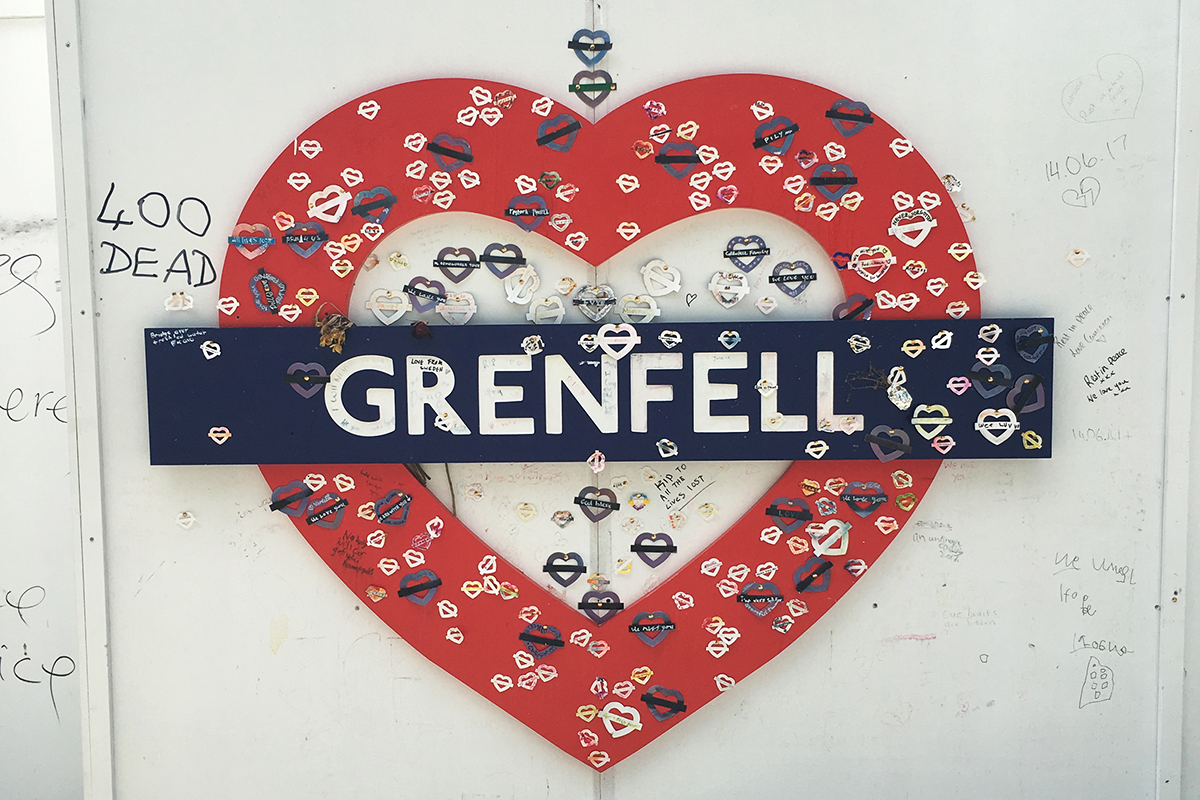
It cites the example of the 2017 Grenfell Tower fire – which followed an inquest into a similar fire at Lakanal House, south London, four years earlier.
The recommendations from the Lakanal House inquest may have prevented the Grenfell Tower fire if implemented, but were either put on the backburner or openly rejected by ministers.
Read more

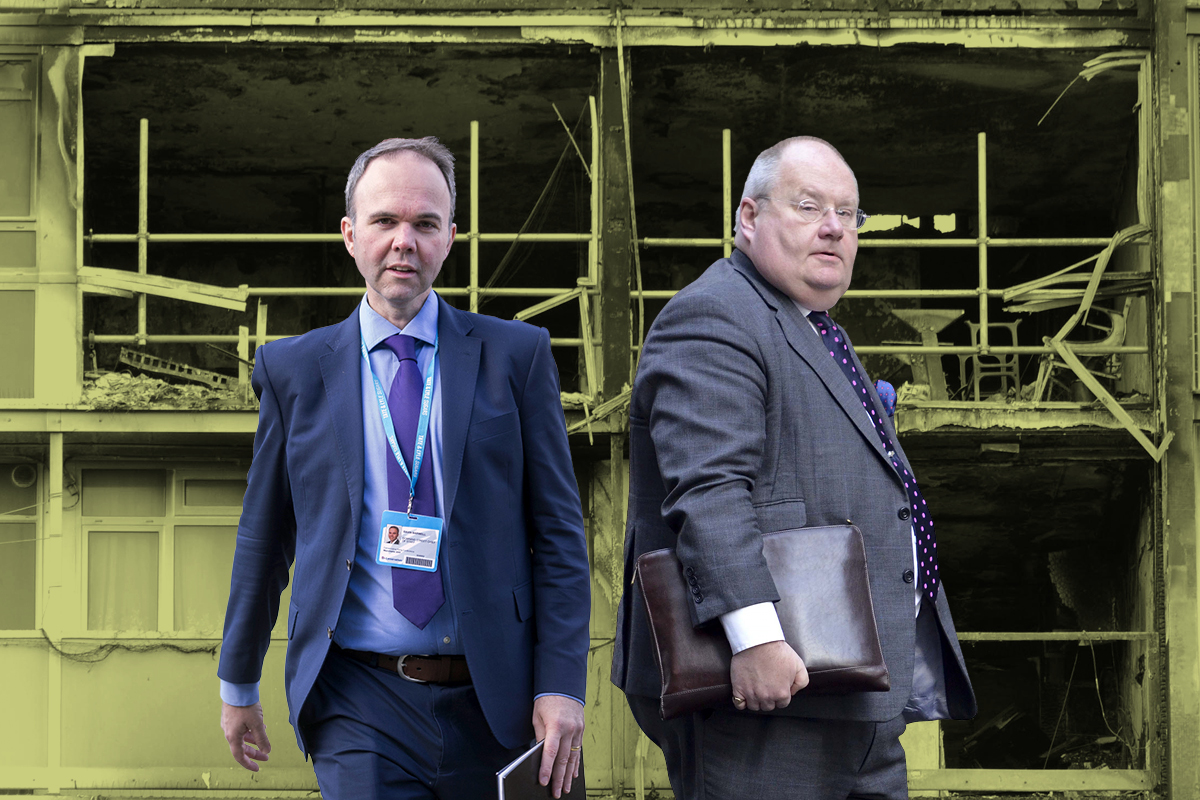
And several key recommendations made by the Grenfell Tower Inquiry in 2019 have not yet been implemented – despite an explicit government promise to do so.
The campaign is supported by a range of organisations including Grenfell United, the Hillsborough Law Now Campaign, Covid-19 Bereaved Families for Justice, Liberty, Appeal, Justice, Mind, Runnymede, and more.
The charity is calling for an independent public body which would:
-
Collate recommendations and responses in a new national database
-
Analyse responses from public bodies and issue reports
-
Follow up on progress, escalate concerns and share thematic findings
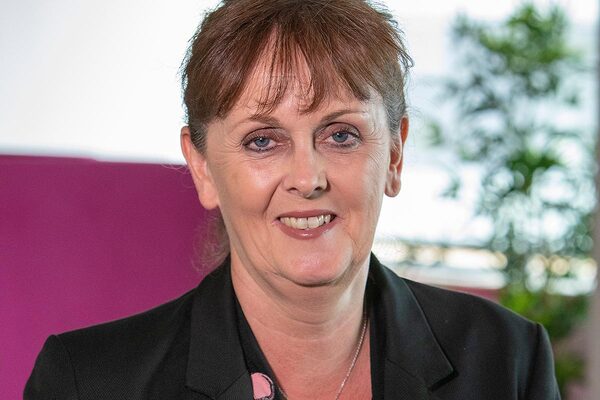
Deborah Coles, director at INQUEST, said: “Everyone can agree that when failures lead to preventable deaths, we must ensure that action is taken to keep people safe and protect lives.
“Bereaved families seek truth, accountability and meaningful change in the hope that future deaths will be avoided. The current system is not fit for purpose, betrays bereaved people and leaves us all at risk.
“Inquiries, inquests and reviews can be vital tools for scrutinising deaths and recommending changes.
However, the current lack of transparency and oversight on recommendations undermines their preventative potential.
“We need a National Oversight Mechanism to address this shocking accountability gap and ensure that when recommendations are made following deaths they are not lost, ignored or left to gather dust. This would do justice to bereaved families and help save lives.”
Natasha Elcock, a survivor of the fire and chair of Grenfell United, said: “Grenfell United wholeheartedly supports the need for the National Oversight Mechanism. We have seen first-hand how recommendations from Grenfell have failed to be implemented.
“Six years on, we now know that every single death at Grenfell could and should have been avoided. We’ve worked tirelessly to ensure our loved ones are remembered not for the way we were treated before the fire, but for the legacy that is created post the fire. But so little has changed.
“Bereaved and survivors should not have to fight to hold government to account to ensure learning and change and that history is not repeated.”
Why a National Oversight Mechanism is needed: the Grenfell Tower story
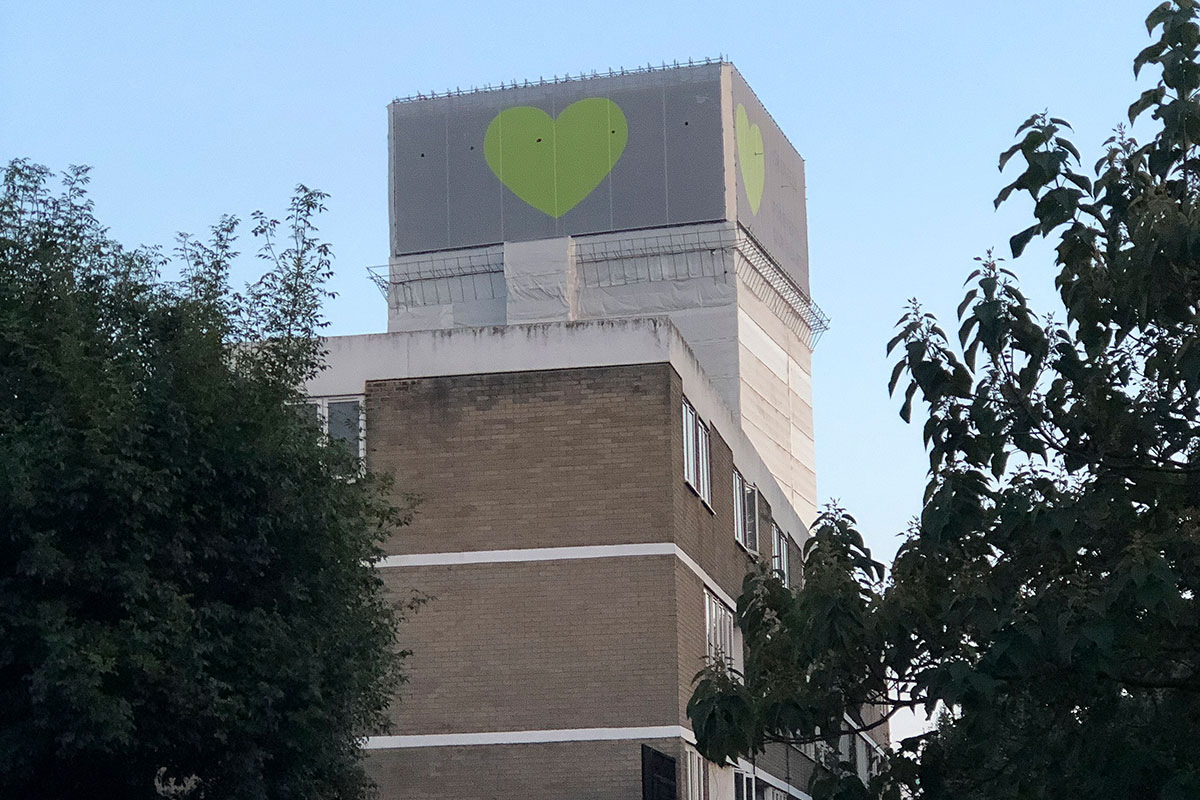
- In 2009, a fire in Lakanal House in Camberwell, south London, killed six people including three children. It later emerged that fire spread via combustible external panels which had been installed beneath windows, with residents told to stay put on the assumption that fire would remain in the flat where it started.
In 2013, an inquest into the deaths concluded with a ‘letter to prevent further death’ sent to the government department responsible for housing. The government was told to consider a requirement for premises information boxes, encourage the retrofit of sprinklers and carry out a review of building regulations guidance “with particular regard” to the issue of external fire spread.
Behind the scenes, officials advised ministers that they did not need to carry out the coroner’s recommendations - saying that they were required only to reply to her letter not to “kiss her backside”. Encouraging social landlords to fit sprinklers was branded a “big and essentially pointless task”, while the review of building regulations was kicked down the road until a pre-planned review was scheduled in 2016/17. Premises information boxes were not mandated.
Despite repeated warnings from a specialist group of MPs, the government never acted - with the review of building regulations not even underway by the time of the Grenfell Tower fire. In the event, the tower had no sprinklers and was clad with a dangerous material which was believed by many to be compliant with guidance, due to its outdated standards. The lack of up-to-date premises information hindered the firefighters’ response.
In October 2019, the Grenfell Tower Inquiry’s first phase report said ‘evacuation plans’ should be developed for all high rise buildings. It said these should include ‘personal emergency evacuation plans’ for disabled residents and manual fire alarms to alert people if a fire got out of control. The government repeatedly committed to implementing the recommendations in full.
But at a behind-closed-doors meeting with industry representatives, the recommendations were called “not cheap”, “impracticable” and “challenging”. The government watered-down its response following this meeting, and has so far refused to implement the findings in full, despite two legal challenges - one of which is yet to rule. Further documents reveal it had privately decided to do so before its consultation even concluded.
Data collected by Inside Housing reveals that the vast majority of social housing tower blocks still do not have sprinklers (82%) or manual fire alarms (88%) six years on from the Grenfell Tower fire.
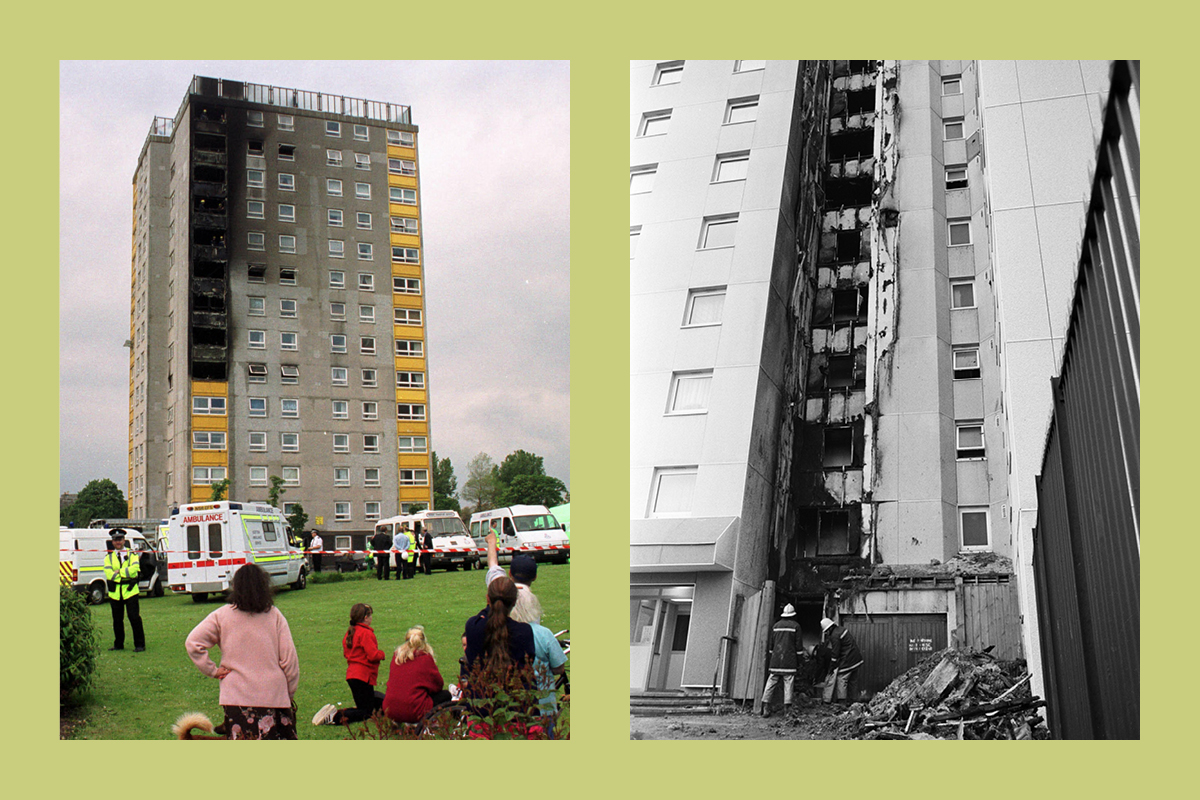
- The Lakanal House inquest was not the only missed warning. A 1999 Parliamentary inquiry into the risks of cladding fires recommended new standards to make systems entirely non-combustible, and to ensure regular risk assessment of installed systems by housing providers. Neither was implemented.
Sign up for our fire safety newsletter
Already have an account? Click here to manage your newsletters
Related stories