You are viewing 1 of your 1 free articles
Brighton & Hove City Council has asked the government for exceptional financial support as it faces soaring temporary accommodation costs.
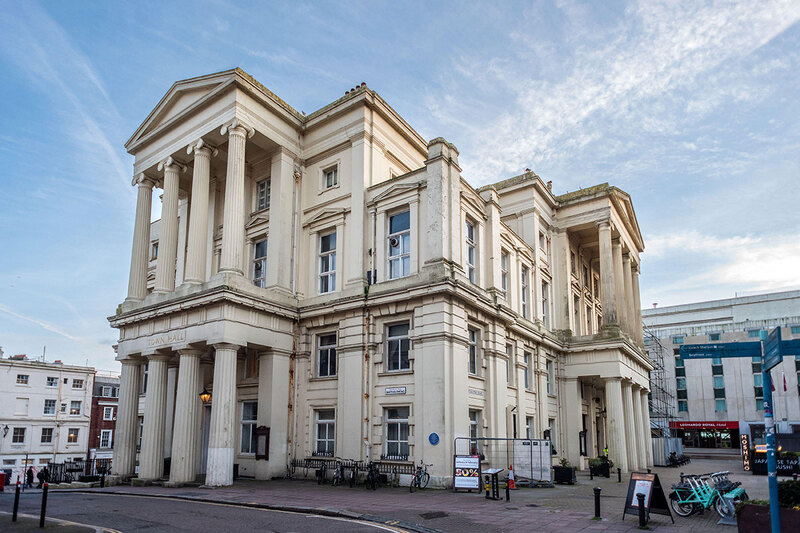
The East Sussex authority is forecasting it will spend £11m on emergency housing next year due to a combination of rising need and the use of more expensive placements.
Despite making some savings, the council said that due to these pressures and dwindling reserves it has asked for permission to borrow £15m to fund revenue costs in 2026-27.
Meeting papers show that if the government agrees the move, the council will spend nearly a third of the extra money – equivalent to its budget gap – solely on homelessness and temporary accommodation, with most of the rest going on replenishing its reserves and working balance.
Alongside this, the authority has pledged to make major changes in these services to help keep a lid on spending and reduce demand.
It is planning to buy more homes, carry out more homelessness prevention work and bring in long-term accommodation contracts to avoid relying on costly spot placements.
The council said it would be calling on government for more flexibility on how it can pay for affordable homes and cut its use of emergency housing.
Jacob Taylor, deputy leader of the Labour-led council, said: “No one should have to move miles away because the system is under strain.
“We are investing in new social homes, reducing our reliance on expensive private rentals and ensuring families have safe, stable places to live.
“This budget puts housing first and helps to fix a system that has been failing residents.”
He added: “We are asking the government to work with us, because tackling the housing crisis and the budget must go hand in hand.”
Last month, the council revealed it would use up to 80 empty houses it owns as temporary accommodation.
The change would last from late January to May and see homes allocated to people needing emergency places to stay rather than those on the waiting list.
As of last November, there were more than 2,000 households in the city living in temporary accommodation.
The number of people in the most expensive form of emergency housing, placements paid for by the night, has also quadrupled in the last three years, going from 114 in 2022 to 520 last autumn.
This week, the government confirmed English councils will be getting a final funding settlement of £78bn including £272m in extra resources to go on housing, as well as confirming to town halls what their budgets will be for the next three years.
But data from the Local Government Association this week indicated this will not be enough for many authorities as a third of those it surveyed believe they will likely need a government bailout to pay for services during this parliament.
Sign up to Inside Housing’s weekly Council Focus newsletter, featuring the latest affordable housing news focused on local authorities delivered to your inbox.
Click here to register and receive the Council Focus newsletter straight to your inbox.
And subscribe to Inside Housing by clicking here.
Already have an account? Click here to manage your newsletters.
Related stories