Fed welcomes house building moves
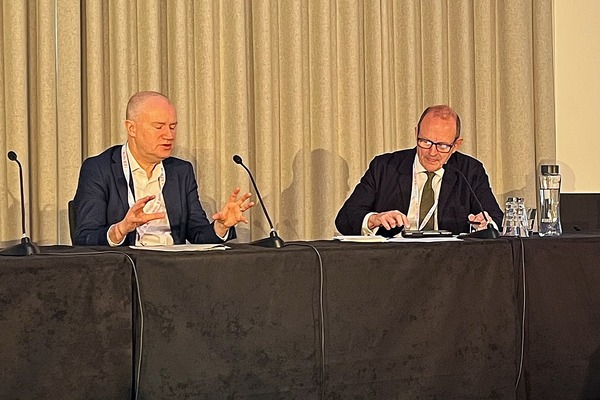
The National Housing Federation has welcomed moves to make it easier for communities to build homes.


The body said a decision to allow community-led developments to go ahead without planning permission if they are supported by more than 50 per cent of local residents is ‘a victory for common sense’.
The government had originally suggested 90 per cent support would be needed to approve developments under its community right to build, and later dropped this to 75 per cent.
The NHF argued few schemes would have been approved under the earlier rules.
The revisions to the policy are set out in the Localism Bill, which was published yesterday.
This also scraps regional house building targets in favour of locally-developed neighbourhood plans.
The federation said councils should be required to use these to set out how they intend to meet demand for housing, and say what proportion of affordable and social rented housing they intend to develop.
Chief executive David Orr said: ‘The government must now ensure that new neighbourhood and local plans set out how each community will accept its fair share of new homes, including specific numbers of homes and land suitable for development.’
House builder Galliford Try said the bill offered ‘more questions than answers’ on how new homes will be built.
Ian Baker, group managing director for house building, said: ‘Local authorities and communities are being given unprecedented powers in the Localism Bill to agree or veto local developments and the outcome of this shift in control remains unknown.’
The bill places a duty on large developers to consult the local community before submitting plans. It also introduces the new homes bonus, which will see local authorities rewarded with payments equal to council tax revenue from new homes for six years after they are built.

Related stories