You are viewing 1 of your 1 free articles
Government U-turns on implementing personal evacuations plans for disabled people
The government is to reject a key recommendation from phase one of the Grenfell Tower Inquiry that would require personal emergency evacuation plans (PEEPs) for disabled people in high-rise buildings.


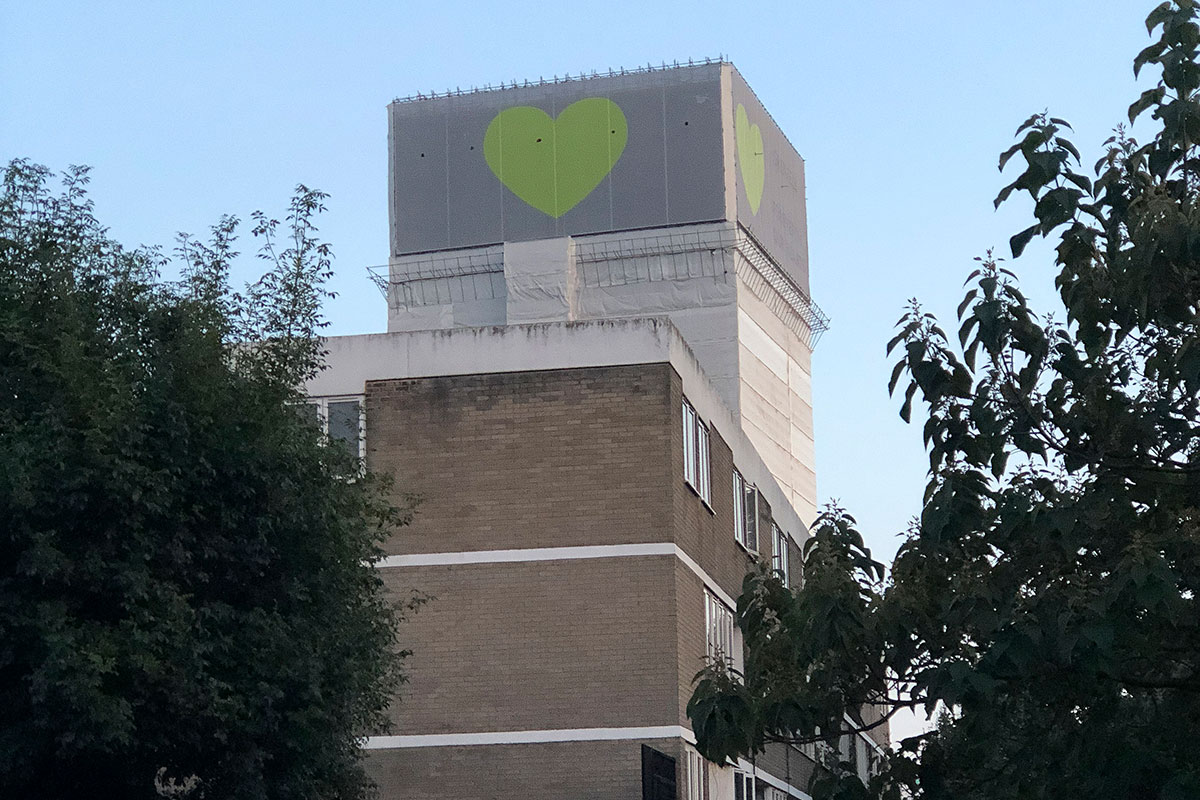 The government is to reject a key recommendation from phase one of the Grenfell Tower Inquiry that would require personal emergency evacuation plans for disabled people in high-rise buildings #UKhousing
Speaking during the third reading of the Building Safety Bill on Monday, building safety minister Lord Stephen Greenhalgh said that a second consultation involving the evacuation plans, which ran in July 2021, “made clear the substantial difficulties of mandating PEEPs in high-rise buildings around practicality, proportionality and safety”.
The purpose of the bill is to put in place enhanced regulatory regimes for building safety in the wake of the Grenfell fire, which killed 72 people, 15 of whom were disabled.
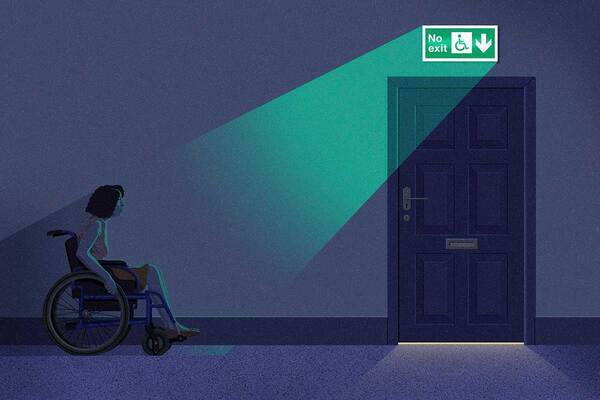
A PEEP is a plan for a person who may need assistance, such as a person with impaired mobility, to evacuate a building or reach a place of safety in the event of an emergency.
The government was initially reluctant to implement the recommendation on PEEPs after a group of industry lobbyists called it “totally impracticable”. But it relented following legal pressure from bereaved relatives of Sakina Afrasehabi, a disabled woman killed in the Grenfell Tower fire.
Read more
But in another U-turn on Monday, Lord Greenhalgh said: “On practicality, how can you evacuate a mobility-impaired person from a tall building before the professionals from the fire and rescue service arrive?
“On proportionality, how much is it reasonable to spend to do this at the same time as we seek to protect residents and taxpayers from excessive costs?
“On safety, how can you ensure that an evacuation of mobility-impaired people is carried out in a way that does not hinder others in evacuating or the fire service in fighting the fire.”
He said that “given these difficulties”, the government is committing to a new consultation that will include a proposal called “emergency evacuation information sharing” – or EEIS.
The minister said this despite acknowledging that 40% of the 37 disabled residents of Grenfell Tower died in the fire and saying the government is “acutely aware of the need to ensure the safety of residents with mobility concerns”.
The government is planning to publish its response to the PEEPs consultation in May, as soon as is practical after the pre-election period. It also confirmed that it will publish its new consultation on its EEIS plan, and commence the Fire Safety Act 2021 on the same day.
The decision to go back on this has been made in the week that a former housing secretary is appearing before the inquiry to explain why the Lakanal House recommendations were not implemented.
Eric Pickles, who served as housing secretary between 2010 and 2015, was the minister who responded to the coroner following the Lakanal House fire, during which six people died, making a number of promises including a review of Approved Document B.
But the government failed to fulfil those promises.
Disability campaigners have said they are “horrified and deeply dismayed” by the announcement.
Claddag, a group of residents who are disabled or have health conditions and are living in homes affected by the cladding and building safety crisis, said in a statement that it is “unconscionable” that the government has dismissed the recommendation.
The group’s members said that Lord Greenhalgh is “wrong to assert that mobility-impaired people” cannot evacuate without the fire and rescue service.
“Radio and TV awareness campaigns encourage us all to have plans in place should our homes catch fire – the government clearly believes this caution and responsibility should only extend to non-disabled people,” they said.
It added that the group was “sickened” to hear the minister question whether any associated costs of evacuation plans are reasonable as he “seeks to protect residents and taxpayers from costs”.
“The final blow was Lord Greenhalgh’s attempt to shame disabled people into ‘staying put’ in a fire to avoid ‘hindering others’ from evacuating. Please let that sink in.
“It is preposterous for the government to assert that it is ‘committed to supporting the fire safety of disabled people’ when it rejects the use of evacuation plans on the basis of costs, convenience and ableism,” they said.
Inside Housing has contacted the Department for Levelling Up, Housing and Communities for comment.
Sign up for our weekly Grenfell Inquiry newsletter

Each week we send out a newsletter rounding up the key news from the Grenfell Inquiry, along with the headlines from the week
Already have an account? Click here to manage your newsletters
Related stories