You are viewing 1 of your 1 free articles
Housing Ombudsman determinations up 69% on last quarter
The number of decisions made by the Housing Ombudsman increased by 69% in the last quarter, according to its latest quarterly data.


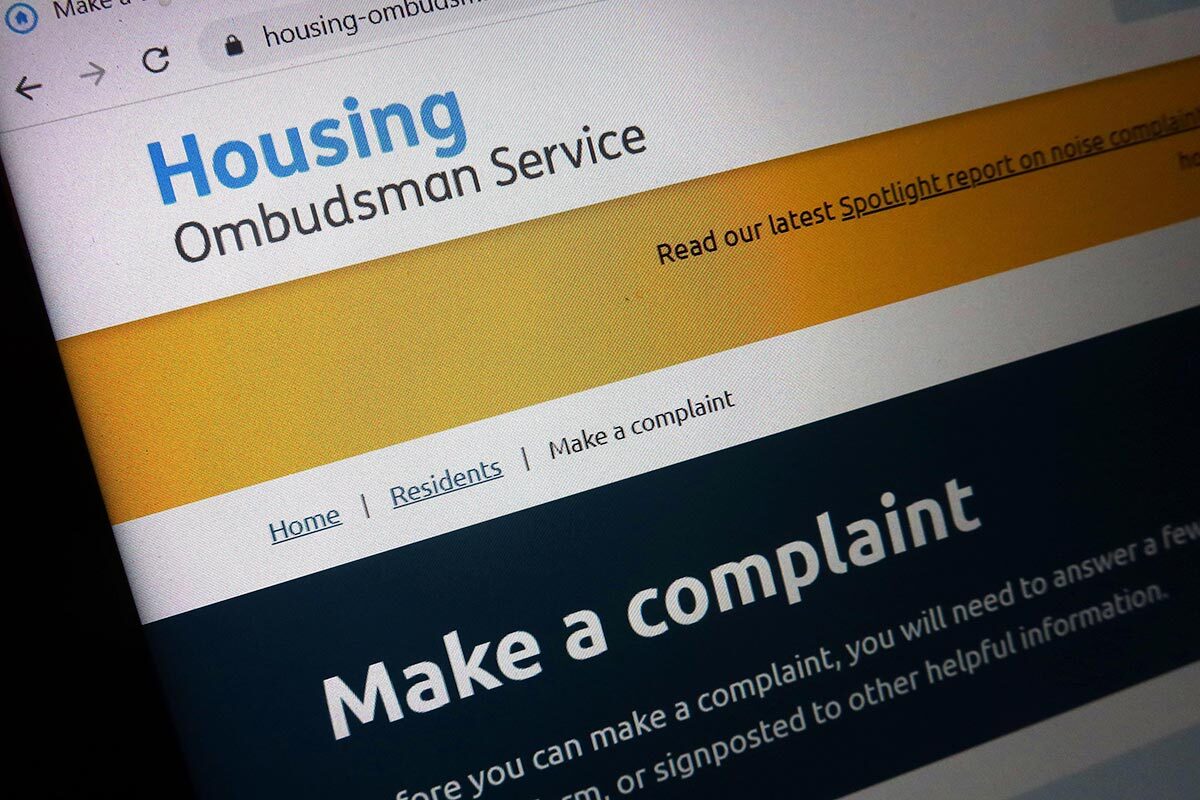 The number of decisions made by the Housing Ombudsman increased by 69% in the last quarter, according to its latest quarterly data #UKhousing
Between April and June this year, the watchdog made 1,284 determinations compared with 759 in January to March.
Dropping slightly from last quarter, property condition was responsible for 58% of all complaints the organisation received.
The ombudsman made 2,911 orders to landlords – a 91% increase on the previous quarter – and 52% of these orders were compensation for residents.
Alongside the data, the watchdog has published an insight report focusing on emerging themes and lessons from recurring cases. These include pest control, gas safety, staff behaviour, and tenancy warning letters.
The report highlighted a case involving Westminster Council, where the ombudsman found maladministration for pest infestation after it failed to take into account the resident’s partial sight and “therefore, despite being responsive, only prolonged the distress and time taken for the issue to be solved”.
Read more

 The cases referred to the Housing Ombudsman reveal the fundamental need to build more social housing

In another pest case, it took a housing association 17 months and 16 attendances to a home infested with mice before it checked the access points and treated the source.
The ombudsman also highlighted a maladministration finding for Solihull Council for its handling of gas safety testing, which resulted in a period of 11 months where a vulnerable resident had no gas safety certificate.
Another case involved staff behaviour at Places for People, in which the landlord failed to address the allegations of the resident or seek evidence for them.
“It also did not take the resident’s vulnerabilities into account when assessing the reasonableness of the steps it had taken,” the watchdog found.
Among other advice, the ombudsman urged landlords to have residents’ vulnerabilities kept up to date.
Housing ombudsman Richard Blakeway said: “Our investigation into a blind woman’s experiences of reporting a rodent infestation where the landlord, although responsive, failed to grip the situation and inferred blame on the resident despite her disability, provides lessons for the whole sector on dealing with pest control better.
“We know how hard it can be to treat pest infestation at times, but the cases highlighted provide insights so that landlords can improve in this area moving forwards.
“This insight report shows how landlords can better tackle issues within their own complaints system before we need to step in.
“The crucial insights from our frontline caseworkers should be essential reading to all in the sector, as they show what we are starting to see a lot of.
“Getting on top of this is vital before they turn into the investigations of the future.”
A Solihull Council spokesperson said: “Although we were very disappointed to receive the judgement of maladministration from the Housing Ombudsman, we fully accept it.
“The council and Solihull Community Housing [SCH] (which manages council houses on behalf of the council) treat all customer complaints seriously, but in this case SCH failed to act with sufficient vigour.
“The council recognises that the response to this customer’s issues was not as it should have been. We have apologised for this.
“The Housing Ombudsman acknowledged the support given to a vulnerable tenant. However, in failing to carry out the gas safety check, SCH did not pay sufficient attention to the potential impact on other residents.
“This was a complex case, but it is one from which SCH has taken important lessons.
“The council has required SCH to put in place measures to stop anything like this occurring again.
“These include the carrying out of a review of policies and procedures in relation to gas safety, strengthening the arrangements for supporting tenants whose gas supply is disrupted and highlighting to staff the importance of recognising complaints early and responding quickly.
“The council and SCH are constantly looking to improve how tenants and leaseholders are supported, and the Housing Ombudsman’s review has helped us to do this.”
A Places for People spokesperson said: “Whilst we always strive to do the right thing for our customers and communities, in this case we failed to meet the standards we set for ourselves and have of course apologised to our customer.
“We have policies and procedures in place to support our frontline teams but we can always learn, particularly with regard to customers’ known vulnerabilities.
“In this case, we have ensured that the learnings are applied to our drive for the continuous improvement of the service we provide.
“We respect the decision of the Housing Ombudsman and have put in place both the required and recommended actions following their investigation.”
Sign up for our asset management and sustainability newsletter

Already have an account? Click here to manage your newsletters
Related stories