You are viewing 1 of your 1 free articles
London boroughs must reduce spending on council housing by £264m to avoid bankruptcy
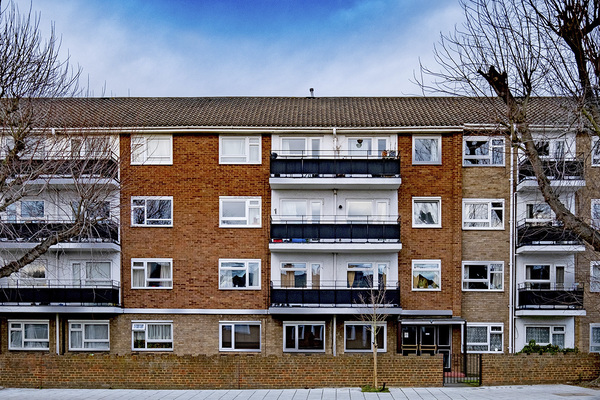
Boroughs in the capital must reduce their spending on council housing by £264m to avoid going bust over the next three years, according to a new report from London Councils.


 Boroughs in the capital must reduce their spending on council housing by £264m to avoid going bust over the next three years, according to a new report from London Councils #UKhousing
 The report, Crunch Point for London Council Housing Finances, warns that boroughs are “not in a position to maintain spending in real terms” on their housing stock.
This is despite the “urgent need for investment” in priorities such as improving housing conditions and building new homes.
Under current plans, announced following a consultation in last year’s Budget, a new social rent policy will begin on 1 April 2026. It will allow councils to increase rents by up to the Consumer Price Index (CPI) + 1% each year, for at least five years.
Read more

The report said that five boroughs could completely exhaust their housing revenue account (HRA) reserves before 2027-28, if this goes ahead.
The report said: “Failure to reform the social rent settlement will have dire consequences for boroughs’ ability to deliver the safe, decent and affordable homes London’s communities need.
“Without action to restore HRAs to a healthier position, boroughs fear the collapse of their council housing finances.”
London Councils, a cross-party organisation that represents the capital’s borough councils and the City, is pushing for a 10-year settlement, action by the government to reduce local authorities’ HRA debts, and a new green and decent homes grant.
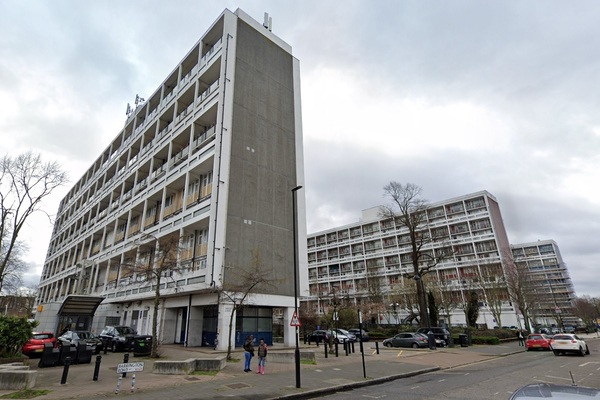
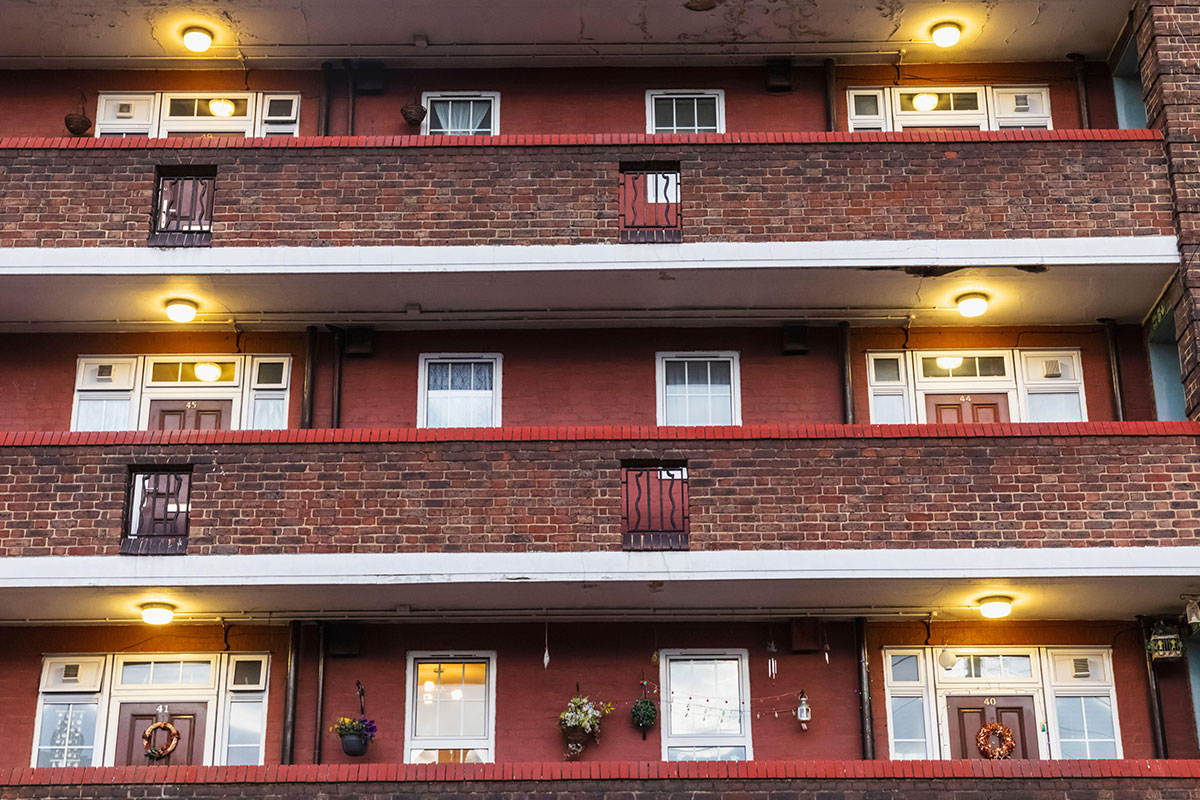
It would like a return to rent convergence. In London, according to the report, convergence “helped raise social rents and better reflected the costs of managing the capital’s social housing stock”. The capital has a high proportion of high-density council housing, including tower blocks, with comparatively high maintenance costs, it said.
Last year, Angela Rayner, the deputy prime minister and housing secretary, said she was pushing cabinet colleagues for rent convergence, as she urged housing associations to restart their development programmes.
Grace Williams, executive member for housing and regeneration at London Councils, said: “We have reached crunch point for London’s council housing finances.
“At a time when we want to invest in our council housing and build new social homes, the grim reality is that many will need to make deep cutbacks. We are dealing with the legacy of years of government underinvestment and budget squeezes.”
The report also cites implementing Awaab’s Law, the new qualification requirements for social housing managers, building safety certification for higher-risk residential buildings and fees payable to the Housing Ombudsman and Regulator of Social Housing as increasing pressures on budgets.
The Chartered Institute of Housing said the government’s proposal of CPI + 1% for five years “will not go far enough to provide the stability required”.
It advocates a 10-year rent settlement, “if possible, set in statute”, to provide additional income of £5.6bn for local authorities and £7.4bn for housing associations.
Earlier this year, a coalition led by Southwark Council highlighted that two-thirds of council housing budgets are “on the brink of collapse”.
Sign up for our Council Focus newsletter

Already have an account? Click here to manage your newsletters
Related stories