You are viewing 1 of your 1 free articles
Sturgeon announces new rough sleeping measures
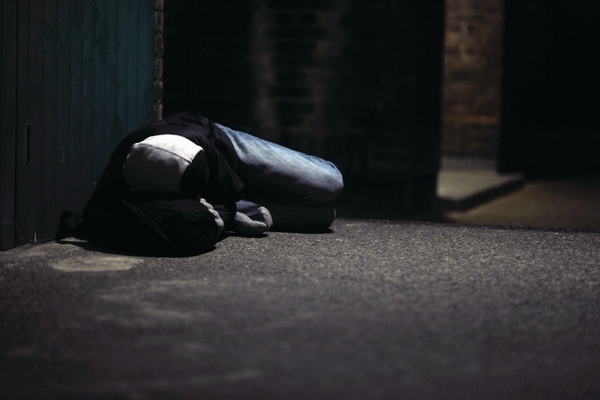
The Scottish Government has announced new measures to tackle rough sleeping this winter.


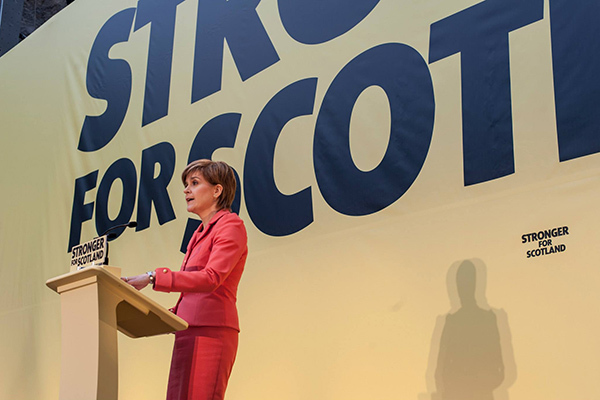 Scottish first minister is implementing all the recommendations of rough sleeping expert groupNew emergency accommodation and more emergency buses to be introducedThe Scottish Government sets out its stall on helping rough sleepers this winter
It has pledged an initial £328,000 to increase emergency accommodation in areas with the greatest numbers of rough sleepers, to make personal budgets available to frontline workers to meet individuals’ immediate housing needs and to support greater use of an emergency bus.
Nicola Sturgeon, the first minister, made the announcement after the Scottish Government’s Homelessness and Rough Sleeping Action Group issued its first recommendations.
The group was formed in September this year with the aim of finding short-term measures to alleviate rough sleeping in Scotland.
Read more
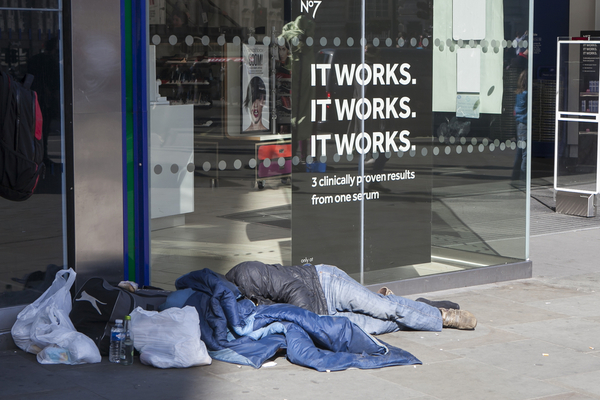
Its recommendations cover the above areas, but also an expansion of outreach capacity in Scottish cities, flexible protection at times of extreme weather, and engagement with people who are homeless and people who have experience of being homeless.
Ms Sturgeon said: “I want to thank the action group for the serious and urgent work it has done. These actions, which the government accepts in full and will roll out immediately, will provide more support for those who find themselves homeless, and more safe and warm places to stay this winter.
“We have a shared commitment to eradicate rough sleeping and end homelessness, which is why we established the action group, backed by £50m to drive change.”
The news came as figures from the Scottish Government revealed an increase of more than 25% in the average value of discretionary housing payments – up to £110, funds used to cover a shortfall between benefits and rent.
Graeme Brown, director of Shelter Scotland, said the increase was “a sign of the depth of the growing challenge faced by so many households struggling to make ends meet across Scotland”.
He added: “It is worrying that there were almost 100,000 DHP awards made in the six months to September this year. Set against the backdrop of stagnant wages, welfare reform, problems with Universal Credit roll-out and inflation starting to creep up, we are concerned that not only will those already struggling continue to find it tough, but more people will get into difficulty.”
Related stories