You are viewing 1 of your 1 free articles
NHC launches call for evidence to build case for regeneration in the North
The Northern Housing Consortium (NHC) has launched a new call for evidence as part of its inquiry into how housing-led regeneration can help tackle the housing crisis and improve communities.


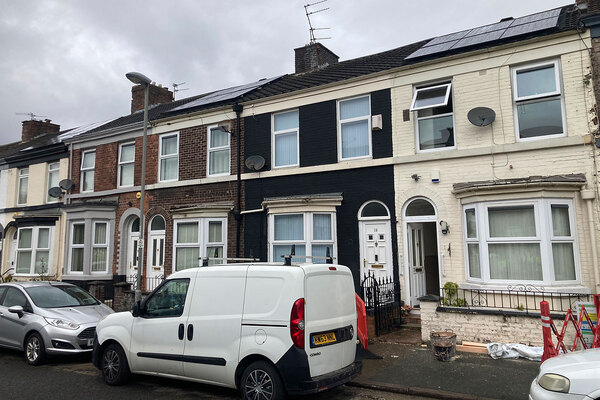
 The Northern Housing Consortium has launched a new call for evidence as part of its inquiry into how regeneration can help tackle the housing crisis #UKHousing
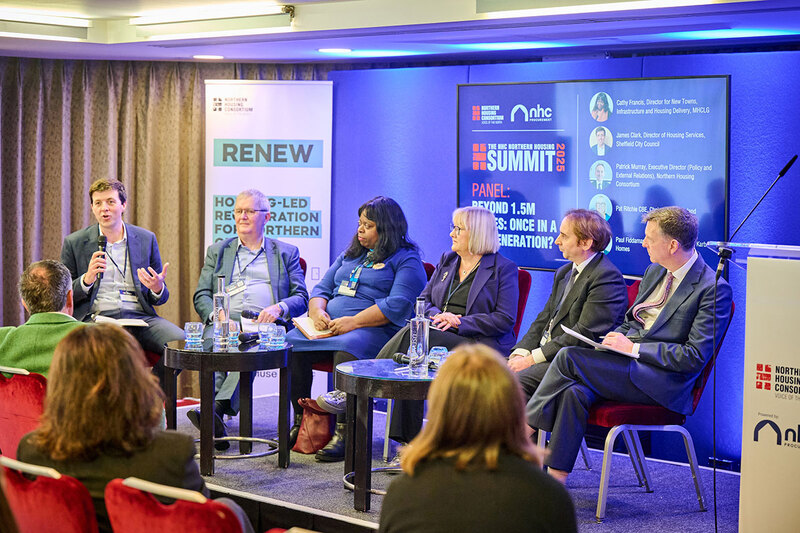
The launch was part of the NHC’s annual summit in Leeds yesterday (12 November), where sector leaders discussed the importance of regeneration alongside boosting new housing supply.
Tracy Harrison, chief executive of the NHC, urged Northern landlords to respond to the call for evidence in order to influence government policy on regeneration.
The findings will help to establish “the scale of the need for housing-led regeneration” and identify what can be delivered within the government’s current policy programme, as well as levers which could help the North “go further”.
Read more
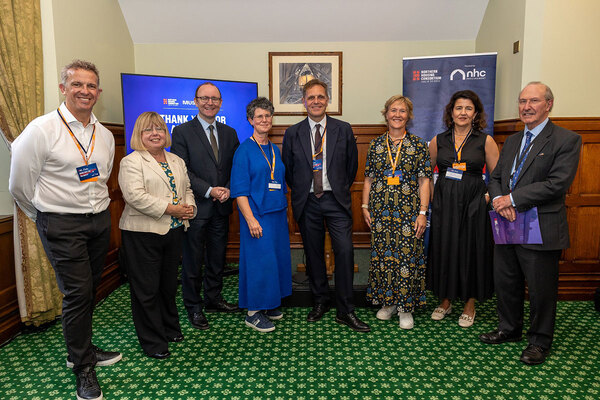

The new call for evidence is the first phase of the NHC’s wider inquiry, named Renew, which launched in July and will be chaired by Lord Best. A report on the findings is expected in May next year.
Research by the NHC has suggested that around 126,000 social housing properties across the North are in areas in need of regeneration, while as many as 25,000 will be non-compliant with regulations and effectively lost to the sector in the next five years.
During a panel on regeneration at the summit, Paul Fiddaman, group chief executive of Karbon Homes, warned that failing to focus on regeneration could also lead to further political extremism and “populism” within communities.
He told attendees: “If we don’t do it, I think we end up with communities that feel they’re not listened to, left behind, and that is a breeding ground for political extremism and populism. And I think we shoot ourselves in the foot if we surrender ourselves to that sort of dynamic.”
Patrick Murray, the NHC’s executive director for policy and external relations, agreed, saying that “a lot of people are frustrated about what they see in their communities”.
These people, according to Mr Murray, do not think the government’s “big numbers” for building new homes are relevant to them.
Speaking to Inside Housing at the summit, he said: “Ultimately, if politicians don’t act on what communities want, people will change the politicians – that’s the nature of democracy.
“I think in some of these places you see a kind of trend of areas feeling left behind. You get the Brexit vote, and you get the Conservatives winning in the ‘blue wall’.
“[But] we’re seeing real strides around devolution, actually, which is fantastic. So there’s a direction of travel, of people trying to understand some of those issues and doing more about it.”
Mr Murray also highlighted “helpful” changes in Homes England’s recent Social and Affordable Homes Programme (SAHP) prospectus, which has broadened out the definition of “net additionality” to enable more regeneration.
For example, net additionality can now be demonstrated through “additional bed spaces”, meaning one-bed flats could be replaced with family homes.
But the prospectus stipulates that replacement social and affordable homes can form no more than 10% of a strategic partnership bid for SAHP funding.
Mr Murray told Inside Housing that the NHC had argued for a larger percentage, around 30%, but also recognised that “ultimately it is a programme based on new supply”.
“Actually, I don’t think the number matters so much as the flexibility [around the additionality rules],” he added.
Pat Ritchie, chair of Homes England, told attendees at the summit that increased devolution to mayoral combined authorities in the new SAHP could also help unlock more regeneration.
“Most of the mayoral combined authorities have ambitions about delivering in a comprehensive, long-term way for places, which doesn’t mean to say you don’t do delivery in the short term, but it might be part of a longer-term play," she said.
In response to the launch of the call for evidence, Lord Best said: “I am really pleased to be chairing Renew, not only because the issue of regeneration in our Northern regions is of huge significance, but also because I know the Northern Housing Consortium will do a really good job in assembling the evidence and making the case for change.
“The powerful voice of the NHC for the Northern regions is badly needed to make the case for housing-led regeneration, particularly for the housing stock that is now reaching the end of its useful life.”
Ms Harrison was keen to point out that the issues affecting communities are “different in different places” and that “in many areas of the North, housing-led regeneration should sit alongside new housing supply and support to improve existing homes”.
She continued: “Renew will bring together Northern social housing providers, the government, politicians, residents and other stakeholders to make sure everyone has access to a safe and warm home in a place they’re proud of.
“Alongside delivering on current transformative change, we must build an evidence base looking at how we can go even further to drive growth and strengthen communities.
“I urge as many stakeholders as possible to respond to the call for evidence so we can develop the evidence base we need to secure further policy changes and funding to unlock housing-led regeneration.”
The call for evidence is open to landlords, local authorities and other stakeholders until 27 February 2026.
Sign up for our development and finance newsletter

Already have an account? Click here to manage your newsletters
Related stories