You are viewing 1 of your 1 free articles
Office for Product Safety and Standards reveals new guidance on compliance for makers of fire doors
The Office for Product Safety and Standards (OPSS) has published new guidance to support fire-door manufacturers in bringing their products to the UK market.


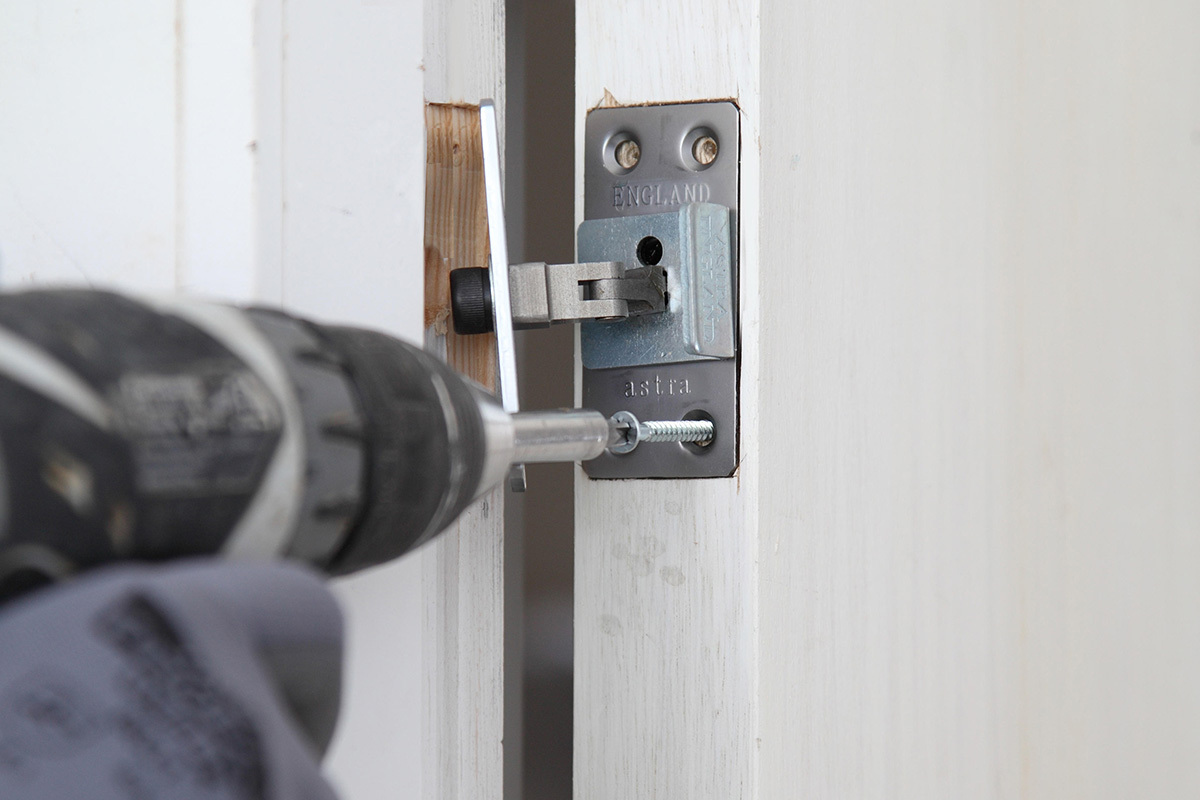 The Office for Product Safety and Standards has published new guidance to support fire-door manufacturers in bringing their products to the UK market #UKhousing
The Ironmongery Manufacturers’ Guidance Document has been developed over the past 12 months with the OPSS, alongside the Guild of Architectural Ironmongers (GAI) and the Door and Hardware Federation (DHF).
It hopes to address fire safety and product compliance by providing clear, consistent and comprehensive product information for fire-door hardware.
It is aimed at manufacturers, distributors and those applying their own branding to ironmongery products. It explains their obligations and provides the information necessary to support safe and effective product selection, installation and maintenance.
Read more



The guidance comes after the OPSS published research at the start of this year that found disagreement in the industry over what a cladding product is, and no standards for fire doors and other fire barriers. The Construction products supply chain report revealed that “information about products and their correct installation methods was found to be often poorly disseminated through the supply chain”.
The research was commissioned in 2021 after the OPSS was appointed to oversee the national regulation of construction products, to provide a deeper understanding of the market and certain supply chains.
The Grenfell Tower Inquiry found “systematic dishonesty” by product manufacturers was a “very significant reason” why the block was clad in such dangerous materials. The inquiry heard evidence that fire doors installed in the tower differed from those tested by the manufacturer.
In this year’s OPSS report, researchers found there is uncertainty about the definition of a fire door, as it is dependent on the type of standard used.
The report stated: “There are designated standards for external fire doors. However, there are no designated standards for internal fire doors.”
There are also no industry-wide standards for maintenance, servicing and refurbishment of fire doors in existing buildings, which creates a regulatory void. At the same time, fire-door products often use cascaded evidence of fire performance, which can create some challenges for the performance and safety of products, according to the report.
On the new guidance, Duncan Johnson, deputy director of construction products regulation at the OPSS, said: “I welcome engagement with [the] OPSS from both the Guild of Architectural Ironmongers and the Door and Hardware Federation aimed at supporting businesses in understanding and meeting regulatory requirements.
“Businesses must comply with the regulations that apply to them, and industry-led initiatives such as this best-practice guide can help them achieve this in a practical and effective way.”
The guidance details what information manufacturers should provide for ironmongery components used on fire-resisting door systems, particularly timber fire doors. This includes covering marking and labelling requirements, installation instructions, supporting test evidence, third-party certification, and care and maintenance information.
One of the key features of the document is its categorisation of door hardware based on the extent to which installation affects the door’s integrity, providing tailored guidance for each type. There are three categories, from those requiring significant material removal from a door leaf or frame, to those with minimal or no intrusion.
This approach recognises that the level of risk to a fire door increases with the volume and location of material removed and ensures that appropriate levels of product information and test evidence are supplied in each case.
Douglas Masterson, technical and training director at the GAI, said: “By setting out clear, practical recommendations on what product information should be provided – including marking, installation instructions, test evidence and certification details – this document will help to improve product safety, regulatory compliance and, ultimately, life safety.”
There is also advice on the provision of intumescent protection details (swelling due to heat exposure), and manufacturers are encouraged to make accessible, up-to-date product information available through a range of digital and printed formats.
Michael Skelding, general manager and secretary of the DHF, said: “This collaborative guide strengthens the industry’s ability to consistently deliver safe, compliant fire-door solutions. It recognises the complexity of fire-door assemblies and the critical role that well-specified, properly installed and maintained hardware plays in ensuring fire and life safety.”
Earlier this month, the OPSS pulled a plywood product used in construction from the UK market after it was found to not “consistently achieve the declared reaction to fire performance”.
Sign up for our fire safety newsletter

Already have an account? Click here to manage your newsletters
Related stories